
Starmer Faces MPs After Robbins' Damaging Mandelson Evidence

PM confronts Parliament as Olly Robbins' testimony on Peter Mandelson vetting scandal intensifies pressure on Labour leadership amid growing Westminster concerns.
Former cabinet secretary Mark Sedwill has publicly called for the reinstatement of Olly Robbins at the Foreign Office following his significant testimony before Members of Parliament this week. The intervention from such a senior government figure underscores the gravity of the situation surrounding the Peter Mandelson vetting controversy that continues to dominate discussion throughout Westminster political circles.
Prime Minister Keir Starmer is set to face Members of Parliament today during Prime Minister's Questions, with the Mandelson appointment scandal remaining the central focal point of debate on the Westminster agenda. According to most observers who regularly interact with Labour MPs, the situation appears increasingly precarious for the Starmer administration, with political pressures mounting from multiple directions. While in an ideal political scenario, the fate of prime ministers would be determined solely by substantive policy matters and major governmental issues, the reality of modern British politics tells a different story altogether.
In contemporary 21st century Britain, where social media access and digital connectivity are ubiquitous, the dynamics of political power have shifted fundamentally. Even for those individuals who may not have a particular interest in Peter Mandelson or the details surrounding his appointment, there exists a significant connection between how Prime Minister Starmer has managed this crisis and the broader pattern of government failures that have come to light. The handling of this specific controversy reveals deeper questions about government accountability and decision-making processes at the highest levels of state.
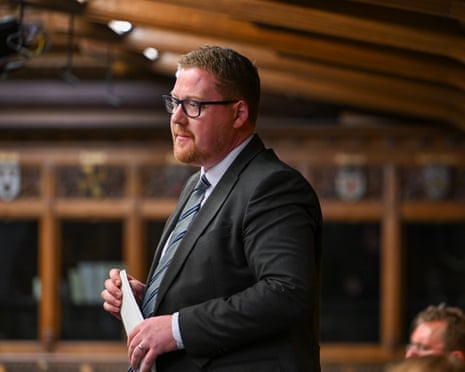
The prime minister's position deteriorated substantially yesterday when Olly Robbins, the individual whom Starmer dismissed from his position as Foreign Office permanent secretary, provided testimony to Members of Parliament. This testimony delivered what many political observers have characterized as damaging revelations regarding the circumstances surrounding the Mandelson appointment process. The testimony provided crucial details about the sequence of events and the decision-making processes that led to the controversial appointment.
According to the account provided by Robbins during his parliamentary evidence, Starmer appointed Peter Mandelson to his cabinet position against the explicit official advice of civil service leadership. Furthermore, the prime minister announced this significant appointment publicly without waiting for the security vetting process to be completed in full. Most troublingly, Starmer has subsequently claimed that he would have reconsidered his decision regarding Mandelson had he been informed of concerns that emerged during the vetting process, despite the fact that he was already well aware of previous conduct-related issues associated with Mandelson from historical records.
The core issue that emerged from Robbins' evidence centers on a procedural and ethical question that goes to the heart of how security vetting procedures are meant to function within the British government system. As Robbins explained during his testimony, the fundamental question facing him was not simply whether to communicate information to the prime minister that Starmer already possessed from public knowledge. Rather, the critical issue concerned what Robbins' responsibilities were as a senior civil servant when the formal vetting process raised fresh concerns about an individual whom the prime minister had already appointed to high office.
This distinction highlights the tension between political authority and civil service impartiality that has long been a defining feature of the British constitutional system. The vetting process, by its nature, is designed to be an independent assessment conducted by security professionals who have access to classified information and investigative capabilities beyond what is available in the public domain. When such a process raises concerns, the question becomes whether these concerns should be communicated to political leadership, and if so, under what circumstances and with what degree of urgency.
The broader implications of this scandal extend well beyond the immediate questions of personality and individual decision-making. The incident raises serious questions about government procedure and protocol in how senior ministerial appointments are made and how security considerations are weighed against political judgment. It also highlights the relationship between elected political leaders and the permanent civil service, an area where clear guidelines and mutual respect are essential for effective governance.
Many Labour MPs, according to those familiar with private conversations within the parliamentary party, are expressing serious concerns about the trajectory of the Starmer premiership. The sense among party members is that a series of decisions and their subsequent handling have eroded confidence in the prime minister's judgment and his ability to manage the machinery of government effectively. This internal party concern, combined with the negative media coverage and the apparent difficulties in controlling the political narrative, creates a genuinely challenging environment for the government.
The question of whether the prime minister will be able to regain the political initiative during today's parliamentary session remains uncertain. PMQs provides an opportunity for Starmer to address concerns directly, respond to criticism, and attempt to move the conversation toward areas where his government might have more favorable ground. However, given the persistence of questions about the Mandelson vetting scandal and the apparent coordination of concern among various political actors, it appears unlikely that this single occasion will resolve the underlying political challenges.
Looking forward, the government faces the challenge of rebuilding public and parliamentary confidence in its management and decision-making processes. This will require not only clear communication about what went wrong and how it will be prevented in future, but also concrete actions that demonstrate a commitment to the highest standards of governance and transparency. The performance of the prime minister during today's questioning will be scrutinized closely by both supporters and critics within the Labour party, as well as by opposition parties and the broader media.


