
Starmer Faces Pressure to Exit as Labour Suffers Historic Defeat

Senior Labour MPs call on PM Keir Starmer to set timeline for departure after crushing election losses. Reform UK surges across England while Plaid Cymru dominates Wales.
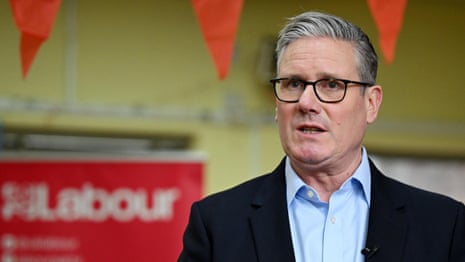
Prime Minister Keir Starmer finds himself in an increasingly precarious political position following a series of electoral setbacks that have left the Labour Party reeling and prompted urgent calls from within his own ranks for him to announce a concrete exit plan. The mounting pressure from senior Labour MPs represents a significant challenge to his leadership, with party figures suggesting he should vacate the top job within the next twelve months as the party grapples with the fallout from disastrous local election results.
The 2026 election results painted a bleak picture for the governing Labour administration, with the party hemorrhaging hundreds of council seats across England while simultaneously suffering a humbling defeat in Wales. This combination of poor performances at the ballot box has fundamentally shifted the political landscape and raised serious questions about the party's direction and leadership. The scale of the losses has surprised many observers and prompted immediate soul-searching within Labour circles about what went wrong and where the party goes from here.
Nigel Farage's Reform UK emerged as the clear winner from the election cycle, making extraordinary gains across multiple regions including the traditionally Conservative-held Midlands and northern England. The party's surge represents what Farage himself described as a "truly historic shift in British politics," with Reform UK winning hundreds of seats and gaining control of numerous councils that had previously been under Conservative or Labour administration. This remarkable breakthrough for the relatively young political force has fundamentally altered the competitive dynamics of British electoral politics.

The Conservative Party's performance in the elections proved particularly underwhelming in certain regions, most notably in Essex, where party leader Kemi Badenoch holds her constituency. The Tories lost control of Essex for the first time in 25 years, a symbolic and substantial blow to their electoral standing. This loss in a traditional Conservative stronghold underscores how broadly-based the recent political shift has been, with dissatisfied voters moving away from the governing parties toward Reform UK and other alternatives.
In Wales, the political landscape experienced its own seismic shift as Plaid Cymru emerged from the elections as the largest party, overtaking Labour in a historic result for the Welsh independence-focused party. This development in the Welsh senedd elections represents another significant blow to Labour's dominance in regions where the party has traditionally held strong support. The reversal of fortunes in Wales compounds the difficulties facing Starmer at the national level and raises questions about the party's ability to retain support across different parts of the United Kingdom.
The demands for Starmer to provide a timeline for his departure come from increasingly vocal members of his own parliamentary party who believe a change in leadership could help Labour begin the process of recovery and renewal. These senior figures argue that establishing a clear succession plan would allow the party to look forward and potentially stem further losses of support to rival parties. The pressure being applied represents an unusual degree of internal party dissent against a sitting prime minister, indicating the depth of concern among Labour MPs about the current trajectory.
The geographical spread of Reform UK's gains tells an important story about voter sentiment across different parts of England. The party made particularly strong inroads in the economically struggling regions of the Midlands and North, where many voters have felt abandoned by traditional political establishments. Additionally, Reform UK managed to take seats from the Conservatives in traditionally Tory-held areas in the South, suggesting their appeal transcends regional boundaries and speaks to a broader dissatisfaction with the status quo.
Labour's loss of hundreds of council seats represents a dramatic reversal of fortunes for a party that came to power with great expectations and significant parliamentary majorities. The scale of the losses at local level often presages difficulties at the national level, and many political analysts view these results as a warning sign for the party's prospects in future general elections. The party's inability to retain voter loyalty and support raises fundamental questions about its message, leadership, and policy direction.
The pressure on Starmer intensified significantly as multiple senior Labour figures went public with their concerns about his continued leadership. These voices from within the party establishment carry considerable weight and suggest that the dissatisfaction with his performance extends beyond backbenchers to more senior and influential figures within the parliamentary party. The coordination of these calls for his departure indicates a level of organized pressure that could prove difficult for Starmer to ignore or weather.

The political implications of these election results extend far beyond the immediate domestic context, with potential ramifications for the United Kingdom's broader political direction and international standing. A weakened Labour government struggling with internal dissent and external challenges from insurgent parties like Reform UK could face difficulties in advancing its policy agenda and maintaining stability. The combination of challenging circumstances facing the administration suggests that the coming months will be crucial in determining whether the government can stabilize or whether further upheaval lies ahead.
As Starmer considers his position, he must weigh the immediate pressure to announce a departure timeline against the potential benefits of attempting to stabilize the party and prove his critics wrong. The decisions he makes in the coming weeks and months could fundamentally shape both his own political legacy and the trajectory of the Labour Party. The challenge before him is considerable, and the window for turning around the party's fortunes may be rapidly closing as voter sentiment continues to shift toward alternative political options.

