
Starmer Restores Powers to Ousted Hereditary Peers

PM grants life peerages to dozens of hereditary peers in Lords reform move, enabling their return to Parliament's upper chamber.
In a significant development within Westminster's legislative landscape, Prime Minister Keir Starmer has initiated a controversial reshuffling of the House of Lords by restoring parliamentary powers to hereditary peers whose seats were previously abolished. The move represents a notable concession to members of the aristocracy who had lost their positions during previous rounds of Lords reform, and signals the government's broader intentions to accelerate structural changes to Britain's upper chamber of Parliament.
According to parliamentary sources, the restoration of powers has been achieved through the distribution of life peerages to hereditary peers across the political spectrum. Specifically, 15 Conservative hereditary peers, two Labour peers, and nine crossbenchers have been granted life peerages, enabling their return to the red benches of the House of Lords. This strategic allocation suggests an attempt by the Starmer administration to balance the interests of different political factions while pursuing its wider agenda for House of Lords reform.
The decision to grant life peerages to these previously ousted members represents a pragmatic approach to Lords modernization. Rather than leaving hereditary peers entirely excluded from legislative processes, the government has chosen a path that allows them to retain influence and participation in parliamentary business through the newly granted honors. This mechanism effectively circumvents the previous restrictions on hereditary participation while still maintaining the fundamental principle of reform that had motivated earlier changes to the Lords composition.
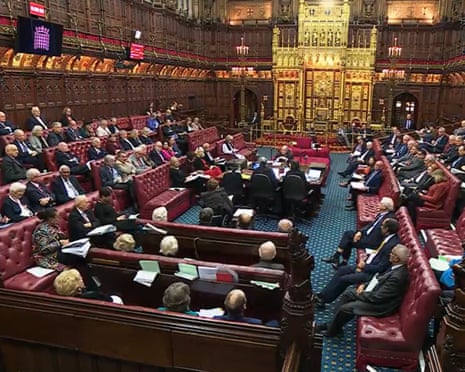
The hereditary peerage system in Britain has long been a subject of considerable debate among lawmakers, constitutional experts, and reform advocates. Traditionally, hereditary titles and their associated parliamentary seats passed from generation to generation within aristocratic families, creating a legislative body that many argued was fundamentally undemocratic and unrepresentative of modern Britain. Previous reform efforts had sought to reduce the number of hereditary peers participating in the upper chamber, leading to significant reductions in their representation over recent decades.
Starmer's initiative to restore powers through life peerages demonstrates a nuanced understanding of the political challenges involved in pursuing comprehensive Lords reform. Rather than creating further conflict with established peerage families, the government has chosen an approach that provides them with a pathway back into legislative participation. This strategy may also serve to build support among Conservative peers and other traditionalist lawmakers who might otherwise resist more radical restructuring of the upper chamber.
The timing of these appointments arrives amid broader discussions within parliament about the future structure and function of the House of Lords. Many observers have long criticized the institution as outdated and unnecessarily expensive, with calls for substantial reform ranging from modest adjustments to its composition to more dramatic proposals for complete abolition or replacement with an elected chamber. Starmer's government has indicated its commitment to pursuing Lords reform as part of its broader constitutional agenda, and these life peerage appointments should be understood within that wider context.
The distribution of life peerages across party lines reveals an attempt to secure broad support for the government's reform agenda. By ensuring that Conservative, Labour, and crossbench peers all benefit from the restoration of powers, Starmer's administration has created incentives for cooperation across traditional party divisions. This cross-party approach may facilitate smoother passage of any future legislation related to comprehensive House of Lords restructuring, as peers across the political spectrum would have a stake in the process.
Conservative members of the ousted hereditary peerage have reportedly responded positively to the government's offer of life peerages, viewing the restoration of their powers as a victory for their cause. The fact that 15 Conservative hereditary peers have accepted life peerages significantly outnumbers those from other parties, suggesting that the Conservative aristocracy had been particularly vocal in pressing for reinstatement of their legislative privileges. This outcome represents a notable win for traditional Conservative interests within Westminster.
The two Labour peers and nine crossbenchers who have been granted life peerages represent a more diverse ideological spectrum. Their inclusion in the restoration suggests that the government's offer of reinstatement has appealed to hereditary peers regardless of their political affiliation. The crossbench peers, who operate independently of party politics, may have seen particular value in maintaining their ability to participate in legislative deliberations without strict party discipline governing their actions.
Constitutional scholars and parliamentary reform experts have offered varying interpretations of this development. Some view it as a pragmatic compromise that allows the government to pursue broader reform objectives while accommodating legitimate concerns from hereditary peerage families. Others argue that restoring powers to hereditary peers through life peerages undermines the principled case for removing unelected aristocratic privilege from the legislative process entirely. These competing perspectives reflect deeper philosophical disagreements about the proper role of hereditary elements within modern democratic institutions.
The broader context of House of Lords modernization extends beyond simply the question of hereditary representation. Starmer's government has signaled its intention to address multiple aspects of the upper chamber's structure and function, potentially including its size, the methods by which peers are appointed or elected, and the range of legislative responsibilities it retains. These life peerage appointments should therefore be understood as one component within a larger strategic approach to constitutional reform.
Public opinion on the House of Lords has historically shown strong support for reform, with polls regularly demonstrating that substantial majorities of British citizens favor either significant restructuring or abolition of the institution entirely. The government's pursuit of Lords reform thus aligns with broader public sentiment, though the specific approach adopted—including decisions about hereditary representation—continues to generate debate among those with detailed knowledge of parliamentary procedures and constitutional principles.
The practical implications of this restoration of powers to hereditary peers will become clearer as the government's broader reform proposals take shape and move through parliamentary procedure. The 26 hereditary peers who have been granted life peerages will now be able to participate fully in House of Lords debates, committee work, and legislative voting on all matters that come before the chamber, just as they would have under the traditional hereditary system. This represents a material change in their political influence and legislative capacity compared to their status since the original abolition of their seats.
Looking forward, the success or failure of the government's overall Lords reform agenda will likely depend on whether this accommodation with hereditary interests generates sufficient political support to enable passage of more comprehensive restructuring legislation. By demonstrating a willingness to address the concerns of those who lost representation in earlier rounds of reform, Starmer's administration may have positioned itself to build the cross-party consensus necessary for substantial constitutional change in Britain's upper chamber.
Source: The Guardian


