
Starmer's Leadership Crisis: Who Could Challenge Him?

As May elections loom, Labour's internal tensions rise. We examine Keir Starmer's political position and identify potential challengers to his leadership.
The political atmosphere at Westminster has become increasingly fraught as the May elections draw near, with mounting questions about the stability of Keir Starmer's leadership at the helm of the Labour Party. What was once seen as a commanding position has begun to show signs of vulnerability, prompting senior figures within the party and political analysts to speculate openly about the Prime Minister's future and who might seek to replace him. The timing of these elections could prove crucial in determining not only the government's electoral fortunes but also the trajectory of Labour's internal power dynamics.
The fundamental question haunting Westminster corridors is whether Starmer remains secure in his role or whether his authority has been sufficiently weakened to invite serious challenges. Political observers note that a poor performance in the May elections could fundamentally alter the calculus around his leadership, potentially emboldening ambitious colleagues to test the waters. The Prime Minister has faced considerable pressure from multiple angles in recent months, and the upcoming elections represent a critical juncture for both his personal political standing and his government's legitimacy.
One of the most pressing issues surrounding Labour leadership stability concerns Angela Rayner's tax situation, which remains unresolved and continues to generate headlines and internal party anxiety. The Deputy Prime Minister's future role in the cabinet hangs in the balance pending the outcome of ongoing investigations into her property dealings. This uncertainty creates a vacuum in the party's upper echelons and raises questions about her ability to support Starmer during periods of political turbulence.

Rayner's potential return to the cabinet represents one of several crucial personnel decisions that could reshape the party's leadership landscape. Should her tax affairs be cleared, her reinstatement would likely strengthen Starmer's position by reuniting the party's top leadership team and demonstrating continuity in Labour's governance structure. Conversely, if complications arise from the investigations, it could open additional vulnerabilities for the Prime Minister and signal dysfunction at the heart of government to both the public and Labour MPs.
Another figure generating significant speculation is Andy Burnham, the Mayor of Greater Manchester, who has long been viewed as a potential future prime ministerial contender. Political insiders are asking whether Burnham has engaged in backroom negotiations to secure a pathway back to Westminster through a parliamentary seat, which would position him for a potential leadership bid. Such a move would signal serious ambitions and could galvanize a faction within Labour looking for an alternative to Starmer's leadership style.
Burnham's political trajectory has been marked by strategic positioning and careful cultivation of his public profile, particularly through his visible work as mayor on regional issues. Should he successfully re-enter Parliament, the dynamics of potential Labour leadership challenges could shift dramatically. His relatively independent power base in Greater Manchester and his connection to grass-roots party members could prove influential in any internal party election for the top position.
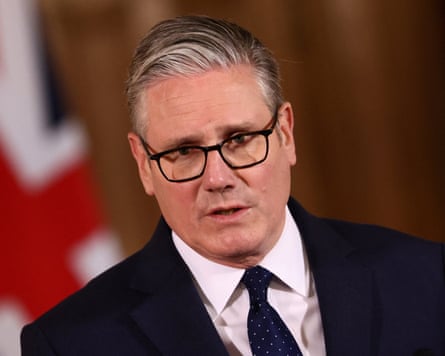
The question of whether parliamentary Labour MPs would genuinely support a Burnham leadership campaign remains open and somewhat uncertain. While he maintains a loyal following among certain party factions and significant public recognition, his absence from Parliament has perhaps diminished his profile among the parliamentary party itself. MPs often prove to be the most crucial constituency in any leadership election, and their willingness to back a challenger would be essential to any serious bid for the top position.
Meanwhile, Wes Streeting, the Health Secretary and a trusted Starmer ally, has noticeably reduced his public profile in recent weeks, sparking widespread speculation about his intentions and future direction. The sudden quietude from Streeting, who had previously been a vocal defender of government policy, has led observers to question whether he is either consolidating power quietly or distancing himself from the Prime Minister. His position as a key cabinet figure and someone with significant influence over health policy makes his movements politically significant.
Streeting's apparent withdrawal from the public eye contrasts sharply with his earlier role as a high-profile advocate for government policies, and this shift has not gone unnoticed by political correspondents and Labour insiders. Whether this represents strategic repositioning, preparation for a potential leadership race, or simply a decision to focus on his departmental responsibilities remains unclear. However, his movements will undoubtedly be interpreted within the context of broader questions about Starmer's durability as Prime Minister.
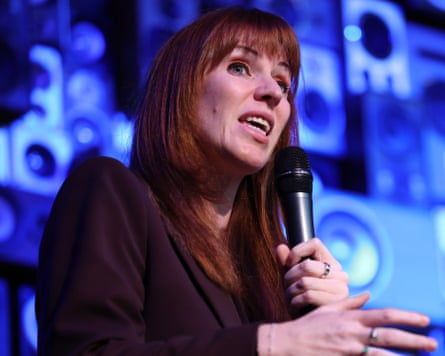
The broader context for these leadership succession discussions involves Labour's electoral performance and public approval ratings. If the May elections produce disappointing results, the pressure on Starmer would intensify substantially, potentially providing the opening that challengers have been awaiting. Conversely, strong electoral results would likely consolidate his position and diminish the appetite for internal challenge among ambitious MPs.
Several other cabinet members and senior backbenchers are also positioning themselves as potential candidates should a Labour leadership race materialize. These figures are carefully managing their public profiles, building relationships with influential MPs, and establishing policy platforms that differentiate them from Starmer while remaining loyal enough to avoid damaging their current positions. This delicate balancing act is characteristic of the shadow boxing that precedes any major political realignment.
The historical context of Labour leadership contests reveals that the party has a tradition of contentious internal battles when sitting leaders are perceived as vulnerable. Previous contests have been drawn-out, expensive affairs that have sometimes left lasting damage to party unity and public perception. Current speculation about potential challengers suggests that should Starmer's position weaken significantly, the party might face another such period of internal turbulence.
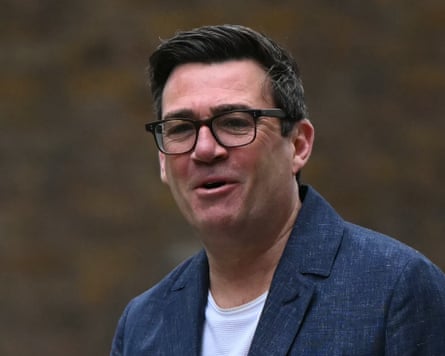
The timing of potential challenges also deserves consideration, as ambitious politicians must balance the risk of challenging an incumbent with the opportunity cost of waiting for a more propitious moment. Some potential candidates may calculate that acting sooner rather than later could position them more favorably, while others might prefer to allow circumstances to further weaken Starmer's position before making their move. These tactical considerations add another layer of complexity to the evolving political drama.
For the broader Labour Party and the public watching these events unfold, the internal party dynamics raise important questions about governance stability and the government's capacity to deliver on its policy agenda. Public confidence in leadership can be undermined by sustained periods of internal speculation and jockeying for position, potentially affecting both polling numbers and the government's legislative effectiveness. How Starmer navigates these challenges over the coming months will likely define not only his own future but also the trajectory of his government's remaining term in office.
Source: The Guardian


