
Starmer's Mandelson Statement: What He Revealed

PM outlines Mandelson vetting timeline in Commons. Analysis of what Starmer disclosed and what remained vague in his statement.
Prime Minister Keir Starmer addressed Parliament with a comprehensive account of the events surrounding Peter Mandelson's security vetting failure, providing lawmakers with a detailed chronology of how a critical message failed to reach Number 10. The statement represented a significant moment in British politics, as Starmer sought to clarify the circumstances while defending his government's transparency and integrity before Members of Parliament.
During his Commons address, Starmer meticulously walked through the sequence of events that led to Mandelson's vetting rejection, emphasizing the procedural failures within the system rather than personal culpability. The Prime Minister's statement included specific timelines, institutional communications, and explanations of how the vetting process breakdown occurred within the civil service infrastructure. He maintained throughout his remarks that neither he nor his office had deliberately misled Members of Parliament about the circumstances surrounding this high-profile matter.
The Mandelson saga had captured significant media attention and raised questions about governmental processes and oversight. Starmer's intervention was designed to provide clarity and restore confidence in the administration's handling of senior appointments and security clearance procedures. His statement addressed concerns that had been building within Parliament and among the public regarding how such a prominent political figure's vetting could have gone awry without proper notification protocols being followed.
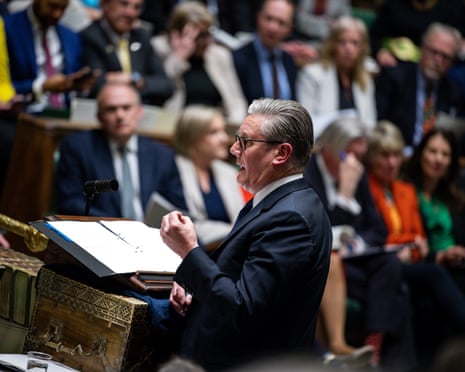
What Starmer's statement revealed with precision was the institutional pathway through which information should have flowed to the Prime Minister's office. He outlined the various stages of the vetting procedure, the points at which communications were meant to occur, and where the breakdown ultimately happened. The Prime Minister emphasized that the failure was structural rather than deliberate, pointing to systemic issues that required examination and potential reform. His detailed exposition provided Parliament with insight into how security clearances are evaluated and communicated within government departments.
The statement also addressed the broader question of government accountability and transparency, as Starmer reiterated his commitment to keeping lawmakers informed about significant developments affecting the administration. He provided context for why the delay in notification occurred and explained the remedial steps being taken to ensure similar failures did not happen in future vetting cases. The Prime Minister's measured approach sought to balance candor with defending his government's overall competence and integrity.
However, certain aspects of the statement remained notably vague or underdeveloped. Starmer did not fully elaborate on why the message breakdown occurred at specific institutional junctures or provide comprehensive details about individual roles and responsibilities within the vetting apparatus. Questions about communication protocols and who precisely should have flagged the situation earlier remained only partially addressed. The Prime Minister's reluctance to delve deeper into these procedural specifics suggested either remaining sensitivity around certain issues or genuine gaps in the available information.
The statement's treatment of Mandelson's involvement and perspective was equally circumscribed. Starmer mentioned the former Business Secretary but devoted limited attention to his side of the narrative or how Mandelson himself had learned of the vetting failure. The Prime Minister's focus remained primarily on governmental processes and his own office's actions, rather than exploring Mandelson's role more thoroughly. This selective emphasis raised questions about aspects of the story that remained unexplored in the parliamentary record.
Regarding the broader implications for vetting reform, Starmer indicated a willingness to examine systemic improvements but stopped short of committing to specific, concrete measures. His statement acknowledged that lessons needed to be learned and procedures reviewed, yet he provided limited detail about what those reforms might entail or their timeline. Critics could argue that the Prime Minister offered reassurance about future vigilance without detailing exactly how the government would prevent recurrence of such incidents.
The timing and framing of the statement itself merited consideration. By choosing to address Parliament directly, Starmer demonstrated recognition of the issue's political significance and his commitment to engaging with lawmakers. Yet the carefully constructed nature of his remarks, with their focus on procedural explanations rather than broader political questions, suggested an attempt to manage the narrative within specific parameters. The statement succeeded in providing factual information while maintaining protective boundaries around certain sensitive areas.
The response from opposition benches and political analysts suggested mixed reactions to what Starmer had revealed. Some viewed his chronological account as appropriately transparent and reassuring about governmental processes, while others felt that insufficient light had been shed on key questions about oversight, communication failures, and individual accountability. The statement's effectiveness in resolving concerns appeared partly dependent on viewers' prior skepticism regarding the government's transparency.
Moving forward, the Mandelson controversy and the government's handling of it would likely continue to invite scrutiny. The Prime Minister's Commons statement represented a significant attempt to control the narrative and provide parliamentary accountability, yet it also demonstrated the limits of what such statements could achieve in resolving complex institutional questions. Whether Starmer's account would ultimately satisfy MPs and the public, or whether further investigations and revelations might emerge, remained to be seen as the situation continued to develop.
The distinction between what Starmer explicitly stated and what he left ambiguous offered valuable insight into his approach to managing political crises. His statement prioritized clarifying factual sequences and procedural mechanisms while being more circumspect about broader implications, individual accountability, and future preventive measures. This careful calibration reflected the political sensitivities involved and the Prime Minister's attempt to balance transparency with protecting his government from further damaging revelations regarding this significant institutional failure.
Source: The Guardian


