
Starmer Under Pressure as Ally Admits PM 'Unpopular'

Housing Secretary Steve Reed defends Keir Starmer amid mounting pressure, warning of 'chaos' if leadership contest erupts. Latest UK politics updates.
The political landscape surrounding Prime Minister Keir Starmer continues to shift as mounting pressure from within Labour ranks intensifies following developments that have provided Manchester Mayor Andy Burnham with a viable pathway back to Westminster. The ongoing tension within the ruling party reflects broader concerns about leadership stability and internal party dynamics at a critical juncture in the government's tenure.
In a significant media appearance this morning, Housing Secretary Steve Reed has undertaken an extensive round of interviews to address the swirling speculation and internal party unease. During these exchanges, Reed has presented a carefully balanced defense of the Prime Minister while simultaneously acknowledging uncomfortable political realities that cannot be ignored. His messaging strategy appears designed to project unity while recognizing the legitimate concerns circulating through Labour's parliamentary ranks and wider membership.
Reed's central plea to his Labour colleagues emphasizes a critical principle: placing national interest ahead of partisan considerations. This appeal to prioritize the country first, party second framework represents an attempt to redirect attention away from internal positioning and leadership questions toward the government's broader policy agenda. However, the Housing Secretary's own admission regarding Starmer's current public standing undercuts the optimistic framing considerably.
Most notably, Reed has conceded that the Prime Minister is "unpopular" with voters, a candid acknowledgment that reflects polling data and public sentiment tracking conducted across multiple independent surveys. This frankness, while perhaps intended to demonstrate honesty and realistic assessment, simultaneously validates concerns that have been circulating within party structures regarding the sustainability of Starmer's political position and electoral viability.
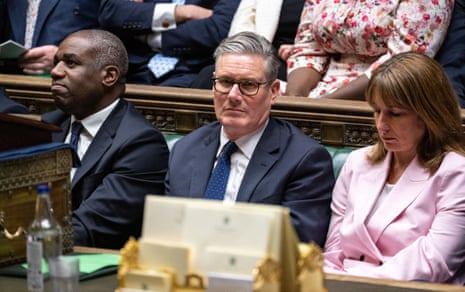
The leadership contest speculation that has prompted Reed's warning represents a more existential threat to the Labour government's coherence and effectiveness. Should internal party dynamics escalate to the point where a formal challenge to Starmer's position materializes, the consequences for government stability could be profound and far-reaching. Reed's warnings about potential "chaos" if such a contest materializes appear designed to rally moderates and loyalists around the current leadership structure.
The timing of these developments is particularly significant given the convergence of multiple political pressures simultaneously bearing down on the administration. Economic challenges, policy implementation difficulties, and internal party management issues have created an environment where questions about leadership resilience have inevitably emerged. The affordances provided to Burnham—a figure with substantial political stature and independent power base within Labour—have amplified these questions considerably.
Andy Burnham's position as Mayor of Greater Manchester has established him as a formidable political operator with demonstrable administrative experience and public profile outside Westminster structures. The opening of a pathway for his return to parliament represents more than a mere procedural matter; it signals potential internal party realignments and raises questions about alternative leadership configurations that party members might consider during moments of crisis or perceived underperformance.
The broader context of these developments involves fundamental questions about how Labour approaches governance during a period of significant national challenges. The party's internal dynamics, while potentially destabilizing, also reflect the kinds of vigorous democratic processes that should characterize any serious political organization. However, the timing of such internal questioning during a period when the government requires stability and focus creates genuine strategic concerns.
Steve Reed's media positioning this morning represents an important moment in the narrative surrounding Starmer's premiership. As Housing Secretary, Reed occupies a significant position within the cabinet and his words carry weight among Labour parliamentarians and broader party structures. His willingness to acknowledge the popularity challenges facing the Prime Minister while simultaneously warning against internal destabilization suggests recognition that multiple truths exist simultaneously within this political moment.
The warning about potential chaos resulting from a leadership contest deserves particular scrutiny. While such contests are normal features of democratic politics, the specific vulnerabilities of the current government—relatively slim parliamentary majorities, external economic pressures, and policy implementation challenges—mean that protracted internal battles could create genuine governing difficulties. Reed's articulation of this concern likely resonates with many Labour MPs who understand the mechanics of how internal divisions translate into legislative and administrative complications.
Looking forward, the political trajectory will depend substantially on how events develop across multiple dimensions. Policy implementation success, economic indicators, public perception shifts, and internal party management all represent crucial variables that will influence whether current pressures ease or intensify. The government's ability to demonstrate tangible progress on its legislative agenda could substantially alter the political calculations that currently make leadership questions appear relevant.
The live coverage and continuous updates of UK politics during this period reflect the genuine uncertainty and fluidity characterizing contemporary British political arrangements. The convergence of internal Labour dynamics, broader governmental pressures, and questions about long-term leadership sustainability creates an environment where political developments can shift rapidly in response to unfolding events and emerging information.
The situation underscores fundamental questions about how contemporary political leadership sustains itself during challenging circumstances. Starmer's position, while currently secure in formal terms, clearly faces real pressures from multiple directions. The combination of acknowledged unpopularity, emerging alternative candidates with political viability, and internal party questioning creates a political environment that requires careful navigation and strategic skillfulness.
As developments continue to unfold, the statements and positioning of senior figures like Housing Secretary Steve Reed will continue to shape perceptions and influence how internal party calculations evolve. The balance between acknowledging current difficulties while warning against destabilizing actions represents a delicate political positioning that will require sustained attention and careful management in the days and weeks ahead.
Source: The Guardian


