
Starmer Won't Set Exit Timeline, Lammy Declares

Deputy PM David Lammy dismisses leadership speculation as Labour's 'own goal', insisting PM Keir Starmer has no plans to announce departure timetable.
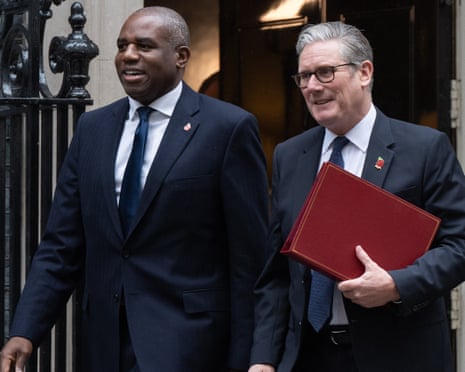
Deputy Prime Minister David Lammy has firmly rejected speculation surrounding Prime Minister Keir Starmer's future, asserting that the Labour leader is not preparing to announce any timetable for stepping down from his position at Number 10. The statement comes amid ongoing discussions within party circles about potential leadership transitions and the circumstances that might trigger them.
Speaking with characteristic directness, Lammy emphasized that leadership speculation represents a significant distraction from Labour's governing agenda. He characterized the persistent rumours and media coverage surrounding a potential leadership change as a "spectacular own goal" for the party, suggesting that such internal focus undermines Labour's ability to communicate its policy achievements and vision to the British electorate.
The Deputy PM also offered praise for Manchester Mayor Andy Burnham, acknowledging that the prominent Labour figure would make a valuable contribution to Parliament should he decide to pursue a seat in the House of Commons. However, Lammy's endorsement of Burnham's potential parliamentary ambitions was carefully separated from any suggestion that his election might trigger a leadership transition at the top of the party.
Despite these reassurances from one of Starmer's closest allies in the cabinet, reports from within government circles have suggested a more complex picture. Earlier accounts indicated that allies close to the Prime Minister had hinted at potential flexibility regarding his long-term leadership, with suggestions that Starmer might be open to reconsidering his position if specific circumstances materialised, particularly if Burnham secured victory in the forthcoming Makerfield byelection and faced no serious rival challengers for the party leadership.
The Makerfield byelection has emerged as a focal point in these discussions, with party insiders identifying it as a potential political moment of significance. The constituency vacancy has become the subject of intense speculation, with various figures within Labour being discussed as potential candidates. The outcome of this byelection, according to some party strategists, could influence broader calculations about the party's direction and leadership.
Lammy's intervention represents a deliberate attempt to draw a line under the ongoing speculation and redirect the conversation toward Labour's substantive policy agenda. His comments suggest frustration with the media and internal party focus on leadership questions rather than the government's legislative programme and achievements. The Deputy PM's tone indicated a desire to move past what he views as distracting and ultimately damaging introspection.
The tension between Lammy's categorical denials and the earlier reports about conditional flexibility illustrates the complex dynamics within the current Labour government. Senior figures appear to be walking a careful line between reassuring party members and the public about Starmer's stability as Prime Minister while acknowledging private discussions about potential scenarios and contingencies.
Within the broader context of Labour politics, such leadership discussions are not unusual for a governing party. However, the particular framing of potential conditions for transition—involving Burnham's electoral success and the absence of other challengers—suggests these are not merely academic exercises but represent genuine internal conversations about possible futures.
Andy Burnham himself has previously expressed commitment to his role as Manchester Mayor, where he has built significant political capital over several years. His profile within Labour circles has grown considerably, particularly among colleagues who value his combination of electoral experience, regional grounding, and policy expertise. The suggestion that his entry into Parliament could reshape party dynamics speaks to the regard in which he is held by many within the party establishment.
The Labour party leadership question carries particular weight given the party's recent history. After years in opposition, Labour achieved a significant electoral mandate at the last general election, and maintaining unity and focus is considered essential to capitalising on that victory and delivering on electoral promises. Internal preoccupation with leadership transitions could undermine this carefully constructed narrative of a government focused on delivery and change.
Lammy's statement also reflects broader communication challenges facing the government. The fact that speculation about the Prime Minister's departure timeline is deemed significant enough to warrant explicit denial from a senior cabinet minister suggests that such rumours have gained sufficient traction to require official contradiction. This dynamic—where denial becomes necessary to counter persistent speculation—can itself inadvertently reinforce the underlying narrative the government seeks to counter.
Looking forward, the Makerfield byelection will likely be closely watched not only for its immediate electoral outcome but also for what it might signal about broader Labour party dynamics. Depending on the result and who emerges as the successful candidate, observers will undoubtedly search for implications for future party leadership developments and the validity of various scenarios that party insiders have discussed privately.
The interplay between Lammy's public statements and the earlier reports of internal conversations highlights the sophisticated public relations and political management challenges that modern governments face. Senior figures must simultaneously project confidence and stability while acknowledging the complex realities of political succession planning. Walking this line requires careful calibration of language and message.
For the Labour government more broadly, moving past this period of leadership speculation would allow greater focus on policy implementation and legislative achievements. The Deputy Prime Minister's comments, in this light, represent an attempt to reset the narrative and encourage all sections of the party to redirect energy toward governing rather than internal positioning and speculation about potential transitions.
Source: The Guardian


