
Steam Controller Review: Gaming Input Reimagined

Explore our comprehensive Steam Controller review analyzing Valve's innovative gaming input device and how it transforms PC gaming experiences for modern players.
The debate over gaming input methods has raged throughout the history of PC gaming. Hardcore gamers have long championed the keyboard and mouse control scheme as the gold standard for precision and responsiveness, particularly in competitive gaming environments. However, the landscape of PC gaming has undergone significant transformation in recent years, with an ever-growing library of titles designed specifically around controller-based input systems. This shift reflects the changing preferences of modern gamers and the increasing crossover between console and PC gaming experiences.
As the catalog of PC games designed for controller support has expanded dramatically, many dedicated PC gamers have found themselves maintaining backup Xbox controllers or similar third-party alternatives alongside their traditional peripherals. Games ranging from action-adventure titles to platformers to sports simulations now assume controller input as the primary or even exclusive control method. This reality forced the gaming community to reconsider the traditional hierarchy of input devices and adapt their gaming setups accordingly. The necessity for this flexibility opened the door for innovative companies like Valve to explore new possibilities in controller design.
Valve's new Steam Controller represents a bold attempt to bridge the gap between traditional gaming input methods and the limitations of conventional handheld controllers. The device draws inspiration from Valve's previous 2015 controller while introducing significant improvements and refinements based on years of community feedback and technological advancement. Unlike its predecessor, which received mixed reactions for its unconventional design philosophy, the upcoming iteration aims to address criticisms while maintaining the innovation that made the original concept compelling.
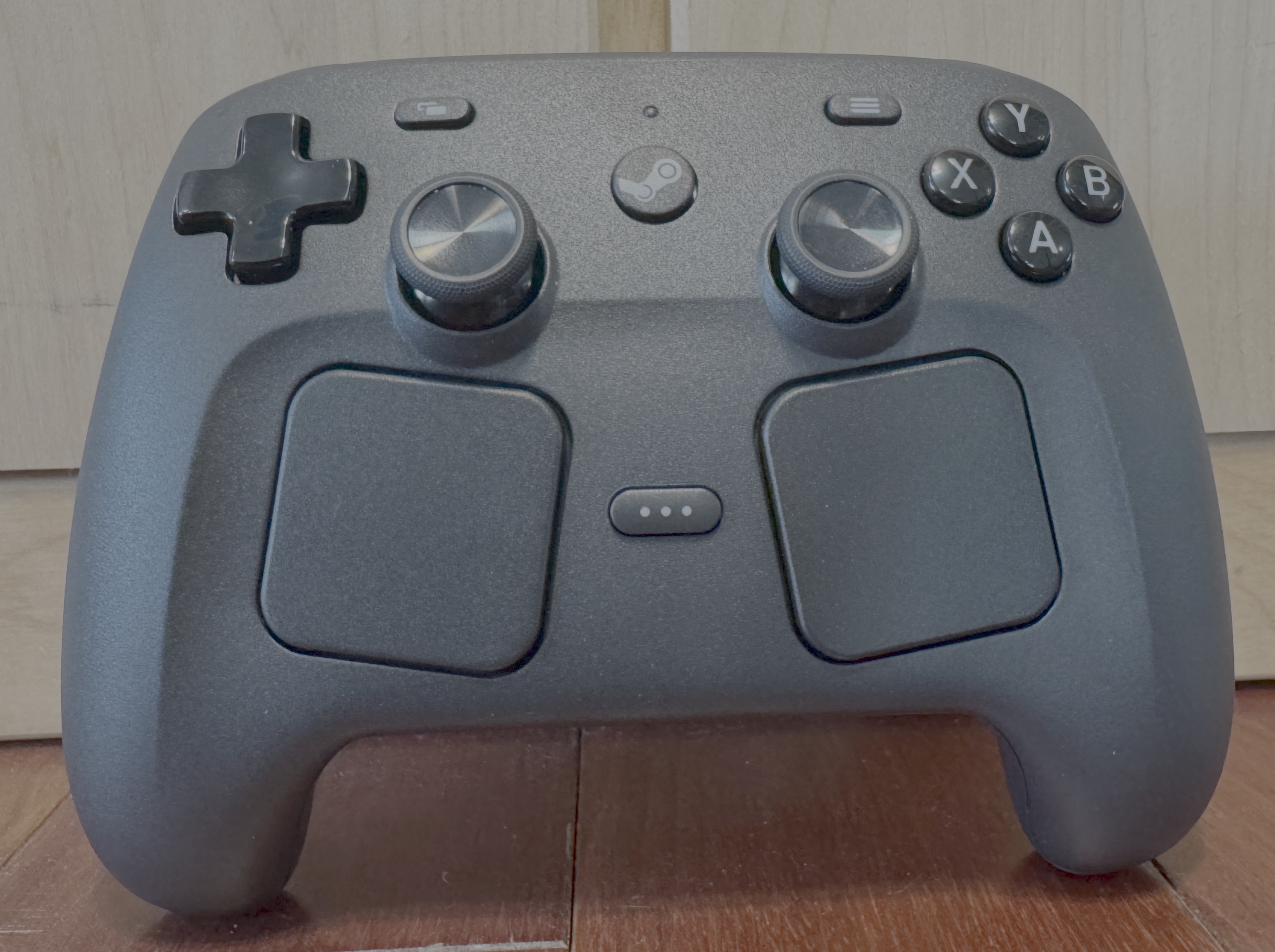
The fundamental challenge that Valve's engineering team faced was clear: how can a single input device accommodate the diverse needs of PC gamers who demand both the precision of mouse and keyboard gaming and the accessibility of traditional controller layouts? This question became increasingly pressing as the PC gaming market matured and embraced games of all genres. Rather than simply accepting the limitations of existing controller designs, Valve chose to reimagine what a gaming controller could be through innovative hardware and software integration.
One of the most significant aspects of any controller review involves examining the ergonomic design and how the device feels during extended gaming sessions. Controllers must balance functionality with comfort, as hours of gameplay can quickly reveal flaws in button placement, trigger responsiveness, or overall weight distribution. The Steam Controller underwent extensive development to ensure that players could comfortably grip the device while accessing all necessary functions without awkward hand positioning or finger fatigue.
The technical specifications of the Steam Controller reveal Valve's commitment to delivering advanced features that go beyond standard controller capabilities. The device incorporates specialized sensors and input mechanisms that allow for greater customization and control than traditional gamepads, positioning it as a unique solution for players who want more flexibility in how they interact with their games. These technical enhancements directly address one of the primary criticisms leveled against console-style controllers: their relative inflexibility compared to keyboard and mouse setups.
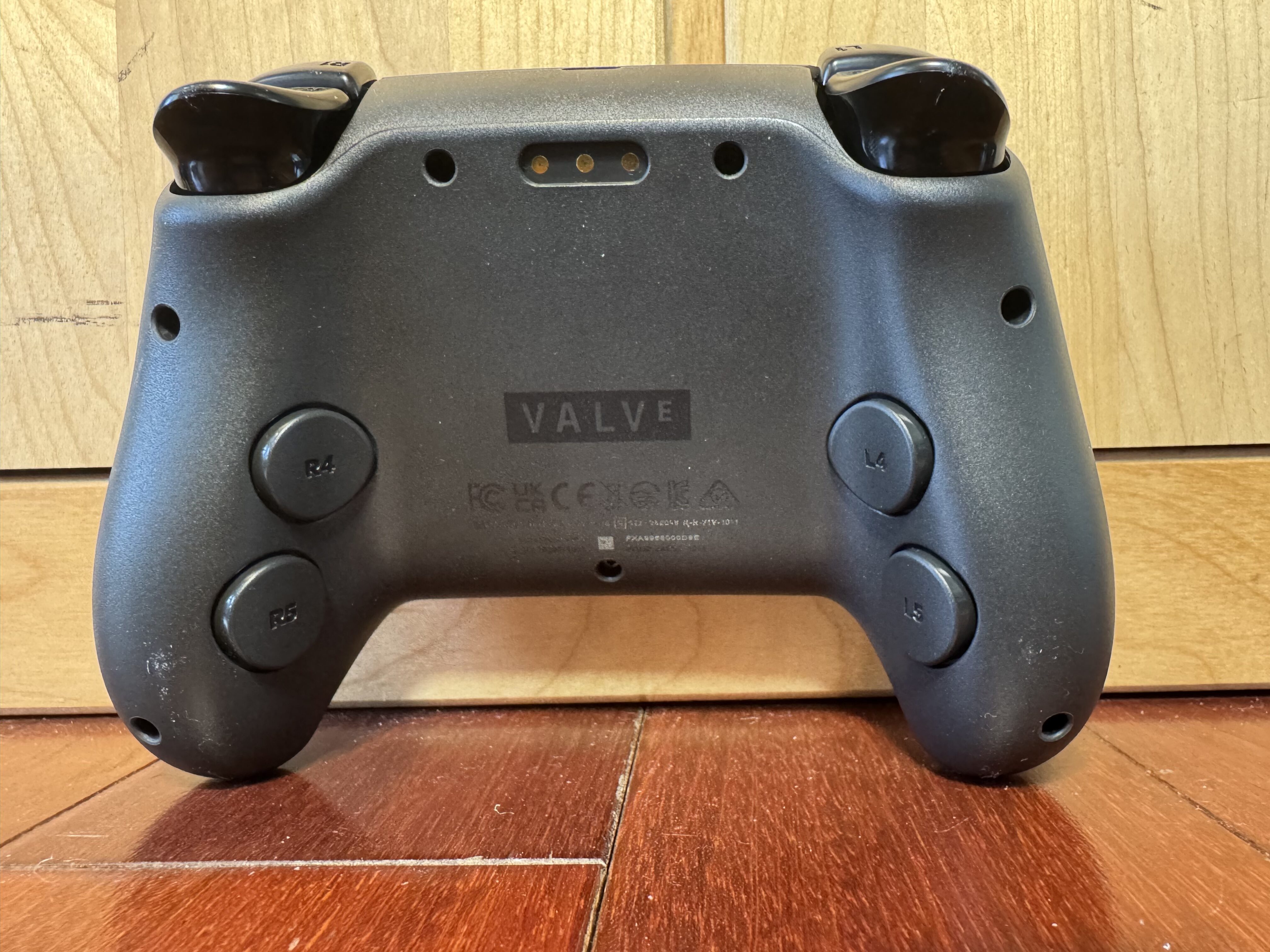
Testing a gaming peripheral requires evaluating performance across multiple game genres to fully understand its strengths and limitations. Different game types place varying demands on an input device, and a controller that excels in platformers might struggle in first-person shooters, for example. A comprehensive controller review process therefore involves extensive testing with action games, strategy titles, racing simulations, and other genres to provide readers with a complete picture of the device's capabilities and potential use cases.
The wireless connectivity and battery management of the Steam Controller deserve particular attention in any thorough review. Modern gaming sessions can extend for many hours, making reliable power management essential for uninterrupted gameplay. The device's connection stability, latency performance, and battery life directly impact the overall gaming experience and determine whether the controller is truly viable for extended use or merely a novelty peripheral.
Valve's Steam ecosystem integration represents another crucial differentiator for this device. The Steam Controller benefits from deep integration with Valve's gaming platform, allowing for seamless profile management, game-specific configurations, and community-shared controller layouts. This software ecosystem transforms the hardware from a simple input device into a comprehensive gaming solution that can adapt automatically to different games and player preferences. Players can access thousands of community-created configurations that optimize the controller for specific titles, removing much of the setup burden from individual users.
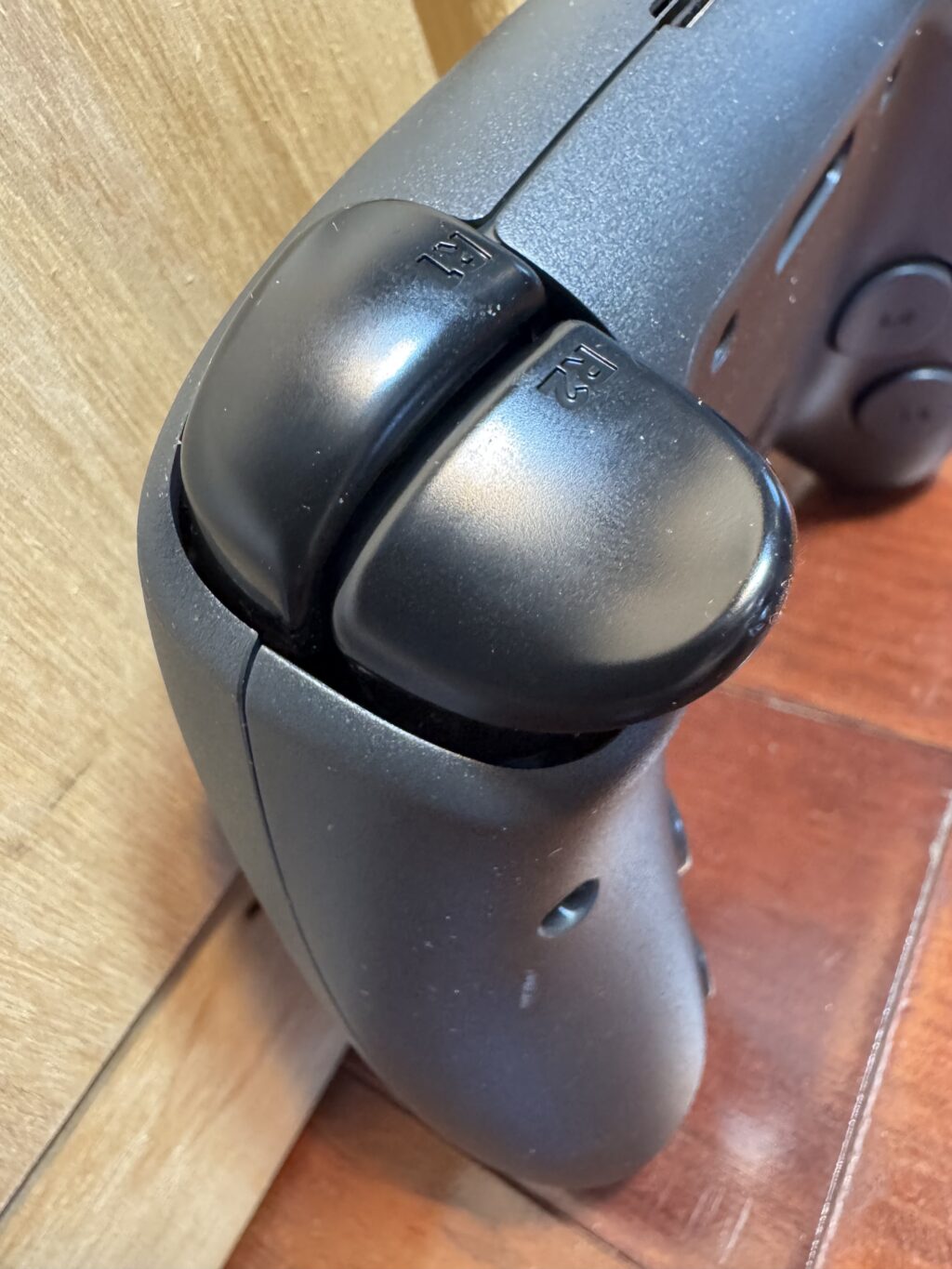
Comparing the Steam Controller to alternative input solutions provides important context for potential buyers. The Xbox controller and PlayStation's DualSense both offer excellent build quality and broad game compatibility, but neither incorporates the level of customization and flexibility that Valve's offering promises. For players who value control over their gaming experience and appreciate the ability to fine-tune inputs for specific games, the Steam Controller presents a compelling alternative. However, for those prioritizing universal compatibility and widespread developer support, traditional options might still hold advantages.
The target audience for the Steam Controller extends beyond just hardcore PC enthusiasts. Casual players, accessibility-conscious gamers, and those transitioning from console gaming to PC all represent potential markets for this device. Valve's design philosophy attempts to accommodate diverse player needs and skill levels, recognizing that the modern gaming audience encompasses people with vastly different preferences and requirements. This inclusive approach to hardware design reflects broader trends in the gaming industry toward accessibility and customization.
Price point and value proposition form critical components of any controller evaluation. The Steam Controller must deliver enough performance and features to justify its cost compared to cheaper alternatives while remaining accessible enough that cost-conscious gamers don't immediately dismiss it. Finding this balance between premium features and affordability determines whether the product can achieve meaningful market adoption or remains relegated to a niche audience of dedicated enthusiasts.
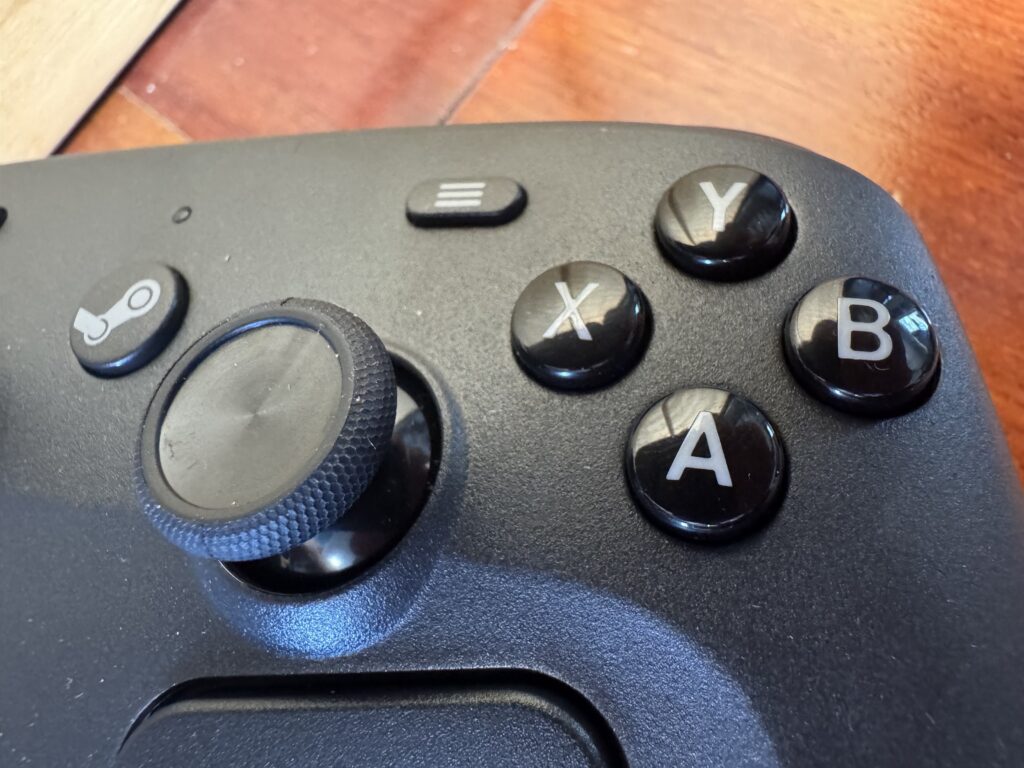
The durability and build quality of gaming controllers significantly impact long-term value and user satisfaction. Controllers endure constant physical stress, with buttons pressed thousands of times and sticks subjected to intense movements during gameplay. Manufacturers must balance lightweight, comfortable designs with the robust construction necessary to survive years of regular use. The Steam Controller's construction quality directly affects whether it represents a worthwhile investment or an expensive peripheral destined for early failure.
Software updates and ongoing developer support play vital roles in determining the long-term viability of any gaming peripheral. Valve's history of maintaining and improving its products through regular updates provides some confidence that the Steam Controller will receive continued attention and refinement after launch. This commitment to post-release support distinguishes companies that stand behind their products from those that move on to the next project immediately after release.
Ultimately, the Steam Controller review process reveals whether Valve has successfully created a device that meaningfully advances PC gaming input methodology or simply delivers another competent but unremarkable peripheral. The questions of whether it genuinely addresses pain points in modern PC gaming, whether its innovative features translate to practical benefits during actual gameplay, and whether its price justifies its advantages all determine its ultimate verdict. For PC gamers considering their controller options, this comprehensive evaluation provides the detailed information necessary to make informed purchasing decisions that align with their specific gaming needs and preferences.
Source: Ars Technica


