
Streeting Locked in Power Struggle with Downing Street

Health Secretary Wes Streeting claims he has enough MP support for leadership challenge as tensions escalate with Prime Minister Keir Starmer's office.
Wes Streeting, the UK Health Secretary, finds himself at the center of an intense political standoff with Number 10, as his political allies reveal he possesses sufficient parliamentary backing to mount a formal leadership challenge against Prime Minister Keir Starmer. The dramatic developments underscore deepening fractures within the Labour government and signal potential upheaval at the highest levels of British politics. Sources close to Streeting suggest that while the health secretary has secured the necessary support, he remains hopeful that the prime minister will voluntarily step aside, potentially avoiding an outright confrontation.
The tension between Streeting and the Prime Minister's office has reached a critical juncture, with the health secretary reportedly having informed his supporters that he has accumulated the 81 MPs required to formally trigger a leadership contest. This threshold represents a significant milestone in parliamentary procedure, as it allows any challenger to force a ballot among Labour MPs. A confidential source within Streeting's circle indicated that while the numbers are in place, the political landscape remains fluid, with one insider claiming that "things are shifting" within the party's corridors of power.
Prior to these revelations, political observers and Westminster insiders had widely anticipated that Streeting would launch his challenge on Thursday, marking a dramatic escalation in internal party dynamics. The health secretary's willingness to publicly acknowledge his numerical support represents an unusual move in Westminster politics, typically characterized by careful positioning and strategic ambiguity. By confirming his backing among fellow Labour MPs, Streeting has essentially put the ball in Starmer's court, creating a high-stakes situation where the prime minister must decide whether to face a formal challenge or consider his position.
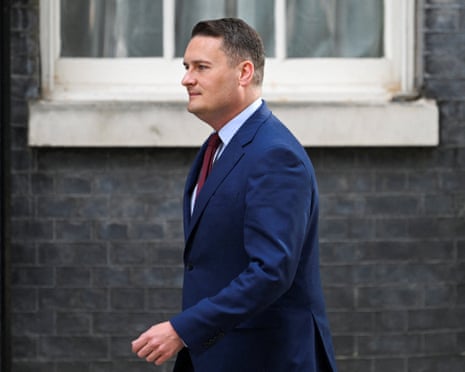
The political standoff reflects broader discontent within Labour ranks, suggesting that Streeting's potential challenge is not merely a personal ambition but rather symptomatic of deeper party divisions. The involvement of multiple MPs willing to back a leadership challenge indicates that concerns about Starmer's leadership extend beyond a single faction or individual. These developments come at a particularly sensitive moment for the government, which has faced mounting pressure over various policy issues and internal management concerns.
Streeting's strategy of maintaining pressure while simultaneously hoping for a voluntary resignation demonstrates sophisticated political maneuvering. Rather than immediately launching a full-scale challenge that would inevitably divide the party and consume months of parliamentary time, the health secretary appears to be attempting a more subtle approach. By making his numbers public while expressing openness to Starmer stepping down voluntarily, Streeting creates a pathway that could resolve the crisis with less damage to party unity and government stability.
The relationship between Streeting and Starmer had shown signs of strain in recent weeks, with the health secretary increasingly willing to publicly distance himself from Number 10's positions on key policy matters. This divergence in messaging and policy approach had raised eyebrows among political correspondents and Labour insiders alike, suggesting that the standoff did not emerge overnight but rather developed gradually over months of accumulated tensions. Sources within government circles have indicated that the two men had disagreed on several significant healthcare policy initiatives and broader strategic direction for the party.
The backdrop to this political crisis includes various challenges facing the Labour government, from economic pressures to public sector management issues that have tested Starmer's leadership. Streeting, as health secretary, has been directly engaged with some of the most contentious policy areas, including NHS funding, healthcare reform, and workforce management. The health portfolio represents one of the most politically sensitive positions in government, often placing the secretary in the spotlight during periods of national debate about public services.
MP backing for a leadership challenge typically depends on several factors, including perceived viability, policy disagreements, and concerns about electoral prospects. The fact that Streeting has secured 81 MP commitments suggests that dissatisfaction with the current leadership extends across different wings of the Labour party. These supporters likely represent a cross-section of the parliamentary party, from backbenchers to more senior figures concerned about the direction and sustainability of Starmer's premiership.
The timing of these revelations carries significant implications for government functioning and decision-making. With the prime minister's position under potential threat, the capacity of government to operate effectively could be compromised as ministers and backbenchers focus on the political survival question rather than substantive policy work. This internal distraction comes at a time when the government faces multiple pressing domestic and international challenges requiring focused attention and decisive action.
In typical Westminster fashion, the unfolding events have generated intense speculation among political journalists, analysts, and party insiders about what comes next. The question now centers on whether Starmer will attempt to survive the challenge through party management and securing sufficient votes from MPs, or whether he will choose to pre-empt a formal contest by announcing his resignation. Either scenario would represent a significant moment in recent British political history and would likely have profound implications for the Labour government's agenda and public standing.
The health secretary's position within the cabinet has given him both visibility and a significant platform for advancing his alternative vision for leadership. As a high-profile figure responsible for one of the government's most critical portfolios, Streeting's views on party direction carry weight with fellow MPs and carry implications for how Labour is perceived by the public. His willingness to mount a challenge suggests he believes he offers a compelling alternative to the current direction and can articulate a vision that resonates with Labour MPs and the broader party membership.
Political analysts suggest that the outcome of this standoff will significantly shape the future trajectory of the Labour government and the broader political landscape. Whether Streeting's challenge ultimately materializes, whether Starmer chooses to resign voluntarily, or whether the prime minister fights to retain his position through a formal vote will determine the party's stability and public confidence in its leadership. The coming days and weeks represent a crucial period for resolving these tensions and determining the direction of British governance and political life.
Source: The Guardian


