
Streeting's Bold Wealth Tax Plan Targets Labour Leadership

Wes Streeting unveils comprehensive capital gains tax reforms as part of his Labour leadership campaign. Explore his economic policy proposals.
Wes Streeting, the prominent Labour politician and shadow health secretary, has announced ambitious plans to reform the nation's capital gains tax system as a cornerstone of his campaign for the Labour Party leadership. The proposals represent a significant shift in the party's economic policy direction and reflect growing concerns about wealth inequality and tax fairness among senior Labour figures.
Streeting's initiative focuses on creating what he describes as a wealth tax that works, emphasizing the need for practical, implementable solutions rather than theoretical frameworks that have failed in other countries. His approach seeks to balance the demands of raising government revenue with the concerns of business leaders and entrepreneurs who argue that excessive taxation could harm economic growth and investment.
The proposed reforms to capital gains taxation would represent one of the most significant changes to the UK's tax system in recent years. Streeting has positioned these changes as essential to funding public services and reducing the nation's budget deficit, while maintaining competitiveness in the global economy. His team has conducted extensive research into how other developed nations structure their capital gains frameworks.
Speaking about his vision for Labour's economic future, Streeting emphasized the importance of creating a tax system that is both progressive and pragmatic. He acknowledged that previous attempts at implementing wealth taxes in countries like France and Sweden faced significant challenges, including capital flight and reduced investment levels. His reforms aim to learn from these international examples while crafting distinctly British solutions.
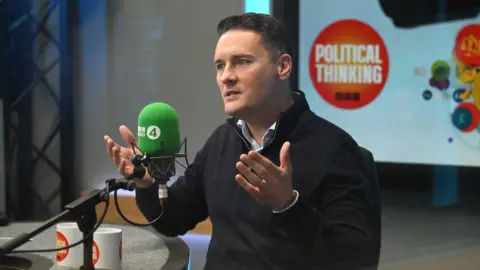
The Labour leadership campaign has intensified in recent months, with multiple candidates presenting contrasting visions for the party's future direction. Streeting's emphasis on economic policy and taxation reform distinguishes his candidacy from rivals who focus on other policy areas. His background in health policy gives him particular credibility when discussing the funding mechanisms needed to revitalize the National Health Service.
Political analysts suggest that Streeting's wealth tax proposals could resonate with the party's traditional base, particularly younger voters and those concerned about rising inequality. However, the proposals may also face criticism from business groups and high-net-worth individuals who argue that increased capital gains taxation could reduce investment in productive enterprises and job creation.
The tax reform agenda proposed by Streeting includes several specific mechanisms designed to close loopholes and ensure that investment income is taxed more consistently with earned income. He has argued that the current system unfairly advantages those whose primary income comes from investments over those who earn salaries through employment. This principle of fairness and equity forms the philosophical foundation of his entire economic platform.
Streeting's team has developed detailed economic models suggesting that properly implemented capital gains tax reforms could generate significant additional revenue for public services without triggering the negative economic consequences seen in other countries. The proposals have been informed by consultations with economists, tax experts, and business representatives to ensure practical viability.
Labour's broader economic strategy under potential new leadership would likely emphasize balancing fiscal responsibility with investment in public services and infrastructure. Streeting has positioned his wealth tax proposals as part of a comprehensive economic package that addresses both revenue raising and economic stimulation through targeted public investment.
The timing of Streeting's announcement reflects broader discussions within the Labour Party about how to fund an ambitious policy agenda while maintaining fiscal credibility with voters and financial markets. His proposals suggest that Labour intends to challenge the current consensus that capital gains tax rates should remain relatively low compared to income tax rates.
International comparisons feature prominently in Streeting's policy development process. He has examined the experiences of countries including Germany, Canada, and Australia, which maintain varying approaches to capital gains taxation. Each model offers different insights into how to balance revenue generation with investment incentives and economic competitiveness.
The proposed reforms would affect various stakeholder groups differently, including property investors, stock market participants, and entrepreneurs selling their businesses. Streeting has indicated that his government would implement transition periods and possibly exemptions for small businesses to minimize disruption to the economy and employment.
Labour leadership candidates are increasingly focusing on detailed policy proposals rather than broad rhetoric, recognizing that party members and the electorate demand concrete plans. Streeting's wealth tax initiative demonstrates this trend toward substantive policy debate, positioning him as an economically serious candidate capable of winning back middle-class voters concerned about fiscal management.
The wealth taxation debate extends beyond mere numbers, touching on fundamental questions about what kind of society Labour wishes to build and how resources should be distributed. Streeting's framing of his proposals emphasizes opportunity, fairness, and social mobility rather than class conflict or redistribution rhetoric that characterized earlier Labour discussions of taxation.
Economic experts have noted that the success of Streeting's proposals would depend heavily on implementation details and international coordination to prevent wealthy individuals and corporations from relocating assets to lower-tax jurisdictions. He has acknowledged this challenge and suggested that Labour would pursue international agreements on minimum taxation standards.
As the Labour Party leadership contest continues, Streeting's capital gains tax reforms will likely feature prominently in debates among party members who will ultimately select the next leader. His willingness to engage with complex economic policy sets him apart from candidates who rely primarily on popular messaging without detailed policy substance. The outcome of this election could significantly influence the party's economic direction for years to come.
Source: BBC News


