
Streeting Warns Labour: Be Bold or Lose to Reform

Ex-health secretary Wes Streeting demands Labour deliver real change in first Commons speech since resignation, warning party risks handing power to populists.
Wes Streeting has issued a stark warning to the Labour Party in his first House of Commons speech since stepping down from his position as health secretary, declaring that the party must embrace bolder policies and deliver tangible change or risk losing power to Reform UK and other populist movements. Speaking from the backbenches, the former cabinet minister pulled no punches about what he sees as the fundamental challenge facing the government in the current political climate.
The Labour MP made clear his conviction that his resignation from the health brief was not a decision made lightly. Instead, Streeting framed his departure as a principled stand rooted in his belief that the government is "currently losing" the crucial battle against the rising tide of populist nationalism sweeping across the United Kingdom. His comments suggest deeper frustrations with the direction and pace of the government's agenda, positioning himself as a voice calling for more aggressive action on the issues that matter most to British voters.
During his parliamentary address, Streeting reiterated longstanding criticisms of Britain's decision to leave the European Union, characterizing the Brexit vote as a "damaging mistake" for the nation's future prospects. He argued that the decision has had lasting negative consequences for the UK economy, workers, and international standing. The former health secretary's willingness to directly challenge what remains a divisive political decision demonstrates his confidence in his political positioning and suggests he is no longer bound by the constraints of government consensus.
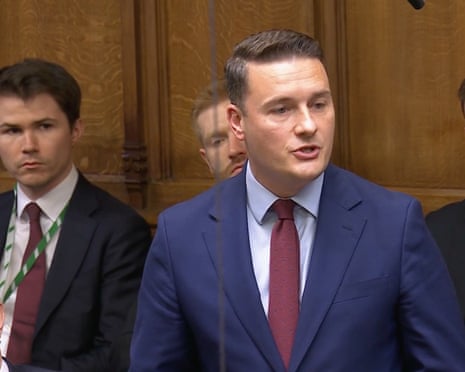
Beyond his Brexit critique, Streeting focused significant attention on what he described as systemic failures affecting younger generations in Britain. He argued persuasively that young people have been abandoned by a political system deliberately structured to work against their interests and opportunities. This generational critique appears central to his thesis about why Labour must fundamentally change course if it hopes to retain the support of voters who feel increasingly alienated from mainstream politics.
The timing of Streeting's remarks carries considerable weight in the current political environment. With Reform UK gaining ground in public opinion polls and capturing the attention of voters frustrated with traditional parties, his warnings about complacency seem particularly pointed. The former health secretary appears to be suggesting that unless Labour can demonstrate its willingness to push for transformative policies rather than incremental adjustments, disaffected voters will continue migrating toward populist alternatives that promise more dramatic change.
Streeting's reference to the government "currently losing" the fight against populist nationalism implies he views this as an active, ongoing struggle that demands urgent attention and significant strategic shifts. Rather than treating populism as a peripheral concern, he frames it as the central political challenge of the era, one that requires Labour to reassess its approach fundamentally. This framing suggests that traditional policy adjustments and minor reforms will prove insufficient to reverse the trend.
The resignation itself had sparked considerable speculation among political observers and media commentators about what prompted Streeting's departure from the cabinet. While the former health secretary's Commons speech provides context for his thinking, it also raises questions about the internal divisions within the Labour government and disagreements over policy direction. His willingness to speak critically from the backbenches suggests he may continue to be an influential voice in Labour debates going forward.
Young voters have emerged as a particularly crucial demographic in recent electoral contests, and Streeting's emphasis on their dissatisfaction with the current political system highlights what many analysts see as a critical vulnerability for mainstream parties. If young people increasingly perceive both Labour and the Conservatives as failing to address their concerns adequately, they may become even more receptive to populist movements promising radical alternatives. Streeting's warnings suggest he understands this dynamic and believes it represents an existential threat to Labour's political prospects.
The former health secretary's intervention in parliamentary debate also signals his determination to remain a significant force in Labour politics despite no longer holding ministerial office. By speaking forcefully about the party's strategic direction, Streeting positions himself as a potential alternative voice within Labour, one willing to challenge the status quo and advocate for bolder action. Whether this leads to a broader internal realignment within the party remains to be seen.
As the political landscape continues to evolve, Streeting's message appears designed to provoke serious reflection among Labour leadership about whether the current approach can successfully counter the populist challenge. His combination of explicit policy critiques with broader warnings about the party's strategic trajectory suggests he views the situation as genuinely urgent. The coming weeks and months will reveal whether his warnings prompt significant changes in Labour's policy agenda and political positioning.
The backbench speech represents a notable moment in the political calendar, with a former cabinet member openly questioning whether his former colleagues are doing enough to address the fundamental concerns driving voters toward populist alternatives. Streeting's willingness to make these arguments publicly, rather than through private channels, underscores the depth of his conviction that fundamental change is necessary. Labour's response to these criticisms, both in terms of policy adjustments and public messaging, will likely influence the trajectory of British politics in the months ahead.
Source: The Guardian


