
Supreme Court Strikes Down Trump's Global Tariff Policy

US Supreme Court overturns Trump's signature tariff policy in landmark ruling, with Chief Justice Roberts citing constitutional limits on presidential power.
In a landmark decision that marks a significant shift in the Supreme Court's relationship with the Trump administration, the nation's highest judicial body has delivered a stunning blow to President Donald Trump's economic agenda. The Court's ruling, which came down this Friday, represents the first major defeat for Trump's policies during his second term and strikes at the heart of his signature economic strategy.
The decision to overturn Trump's global tariffs sends shockwaves through both domestic and international markets, potentially reshaping America's trade relationships with dozens of countries. This ruling could signal a broader willingness by the Court to challenge presidential overreach, marking a departure from what many observers have characterized as an overly deferential stance toward the current administration.
Chief Justice John Roberts, writing for the majority opinion, delivered particularly sharp criticism of the tariff program. In language that legal scholars describe as unusually direct, Roberts emphasized that the Constitution grants Congress, not the executive branch, the authority to impose taxes and tariffs. The Chief Justice's opinion, which garnered support from both sides of the ideological divide, explicitly acknowledged that tariffs function as taxes and therefore fall under legislative, rather than executive, jurisdiction.
The composition of the majority coalition proves particularly noteworthy, bringing together three conservative justices alongside their three liberal counterparts. This bipartisan judicial alignment suggests that constitutional principles may be transcending political loyalties, offering hope for those concerned about the erosion of institutional independence. Legal experts view this cross-ideological cooperation as potentially signaling a return to more traditional constitutional interpretation.
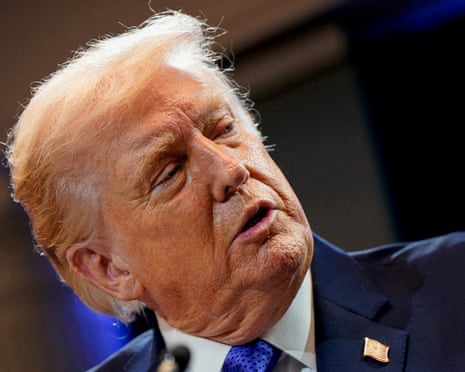
The economic implications of this ruling extend far beyond American borders. Trump's tariff policies have been the cornerstone of his "America First" economic philosophy, serving as both a negotiating tool and a source of federal revenue. The President has wielded these trade barriers to pressure trading partners, reshape international commerce, and demonstrate American economic dominance on the global stage.
International markets have already begun responding to the news, with early indicators suggesting relief among America's trading partners. Countries that have borne the brunt of Trump's trade wars, including China, Canada, Mexico, and European Union members, may now anticipate a more predictable trade environment. The ruling potentially opens the door for renewed multilateral trade negotiations and a return to more conventional diplomatic approaches to international commerce.
The decision's timing proves especially significant, coming at a moment when global economic stability remains fragile. Supply chains that have adapted to Trump's tariff regime over recent years now face another period of adjustment. However, many economists argue that removing these trade barriers could ultimately benefit both American consumers and international economic cooperation.
For Congress, this ruling represents both an opportunity and a challenge. Lawmakers now regain their constitutional authority over trade policy, but they must also navigate the complex political landscape that Trump's tariffs have created. The legislative branch will need to determine whether to maintain, modify, or eliminate existing trade barriers through the proper constitutional channels.

The broader constitutional implications of this decision extend well beyond trade policy. Legal scholars are already analyzing the ruling for clues about how the Court might approach other assertions of expanded executive power. The decision could influence pending cases involving presidential authority in areas ranging from immigration to national security.
Trump's response to the ruling will likely prove as significant as the decision itself. Throughout his presidency, Trump has consistently criticized judicial decisions that constrain his authority, often questioning the legitimacy of courts that rule against his policies. His reaction to this Supreme Court defeat could further test the boundaries of presidential respect for judicial independence.
The political ramifications of this ruling will undoubtedly reverberate through both major political parties. Republicans who have supported Trump's trade agenda must now reconcile their loyalty to the President with their traditional support for constitutional governance and separation of powers. Democrats, while likely celebrating the constraint on presidential power, must also articulate their own vision for American trade policy.
Industry groups across various sectors are already mobilizing to influence whatever legislative response may follow. Manufacturers who benefited from protective tariffs will likely lobby for their continuation through congressional action, while importers and consumers who bore the cost of higher prices will push for their elimination. This corporate political engagement will add another layer of complexity to any future trade legislation.
The international community's response to this development will also prove crucial in determining its ultimate impact. Foreign governments that have implemented retaliatory measures against American exports may now consider whether to maintain or modify their own trade barriers. The European Union, China, and other major trading partners will likely reassess their strategies for engaging with American trade policy.
Looking forward, this ruling could establish important precedents for future challenges to executive power. The Supreme Court's willingness to constrain presidential authority on such a central policy issue suggests that other Trump initiatives might face renewed judicial scrutiny. Immigration policies, regulatory rollbacks, and national security measures could all potentially face fresh constitutional challenges.
The decision also highlights the ongoing evolution of the Supreme Court's role in American governance. Despite concerns about political polarization affecting judicial decision-making, this ruling demonstrates that constitutional principles can still unite justices across ideological lines when fundamental questions of governmental structure are at stake.
For American workers and consumers, the immediate effects of this ruling remain somewhat uncertain. While the elimination of tariffs could lead to lower prices for imported goods, it might also affect domestic industries that have relied on trade protection. The transition period following this decision will likely require careful management to minimize economic disruption while maximizing the benefits of renewed international trade cooperation.
As the dust settles from this momentous decision, observers will be watching closely for signs of how it might influence the Court's approach to other contentious issues. The ruling's emphasis on constitutional structure and separation of powers could provide a framework for addressing future disputes about the limits of executive authority in America's democratic system.
Source: The Guardian


