
Surprise Green Party Win: Paper Candidate Takes Hackney Seat

Tyrone Scott's unexpected election victory as a 'paper candidate' in Hackney raises questions about modern political campaigns and grassroots engagement.
In a surprising turn of events that underscores the unpredictable nature of modern electoral politics, Tyrone Scott, a Green Party candidate who initially harbored minimal expectations about his chances in the recent election, has emerged victorious in his bid for a Hackney council seat. His unexpected triumph represents a notable shift in local political dynamics and has sparked considerable discussion about what it means when candidates designated as "paper candidates" actually succeed at the ballot box.
When polling day concluded and results began rolling in across the nation, thousands of newly elected councillors took to celebrating their victories with characteristic enthusiasm. The atmosphere at many celebration events was buoyant, filled with optimism about the road ahead. However, amid these festivities, some unexpected victors found themselves in decidedly awkward positions, having won elections they had scarcely anticipated winning. The contrast between anticipated outcomes and actual results created moments of genuine confusion and, in some cases, apparent dismay among both candidates and party officials who had not adequately prepared for these surprise victories.
One particularly notable instance involved a newly elected councillor in Finsbury Park, located in north London, who had been officially registered as a "paper candidate" by Green Party officials. Paper candidates are typically individuals placed on ballot papers with minimal expectation of winning, often filling out candidate slates to ensure comprehensive coverage of electoral districts without substantial campaign investment or genuine expectation of success. This particular candidate's unexpected victory prompted visible confusion and rapid damage control from Green Party handlers, who quickly moved to reassure the surprised winner of their organizational support.
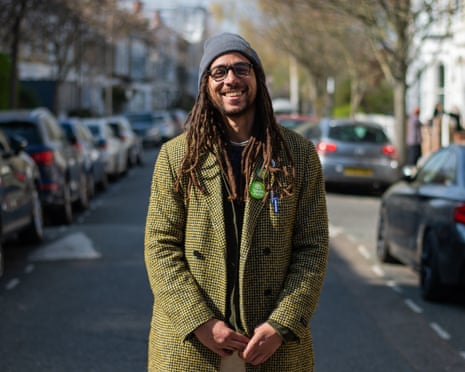
According to reporting by the Islington Tribune, Green Party officials approached the victorious candidate with apologies for what appeared to be a lack of preparation, saying "You're going to be great, we'll support you." This interaction, captured by local journalists covering the election night developments, highlights a peculiar challenge facing political organizations when their own electoral calculations prove dramatically inaccurate. The comment itself suggests that the party hierarchy had genuinely not anticipated this particular candidate would actually win their constituency, raising questions about campaign strategy and resource allocation decisions.
The phenomenon of paper candidates winning elections represents an interesting intersection of democratic principles and political pragmatism. Many political parties, particularly those with limited resources or smaller membership bases in certain areas, have traditionally used paper candidates as a practical solution to fulfill electoral requirements while directing party resources toward constituencies deemed more winnable. However, this strategy occasionally produces unexpected results when voter sentiment, local issues, or broader political trends work in favor of candidates who were never expected to succeed.
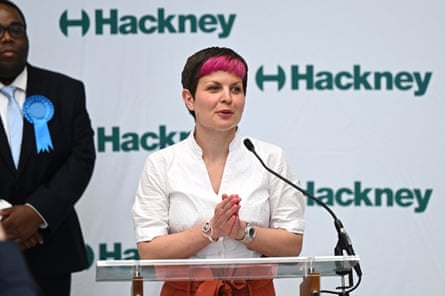
Tyrone Scott's vision for his newly won position centers on meaningful community work and rebuilding what he describes as "community cohesion" throughout the Hackney area. This focus on community-oriented governance represents a shift toward grassroots engagement and local problem-solving, suggesting that despite his unexpected victory, Scott has substantive ideas about how to serve his constituents. His commitment to addressing community divisions and fostering better relationships among local residents reflects broader themes in contemporary political discourse about healing social fragmentation.
The broader context of these election results includes significant shifts in local council composition across numerous districts, with Green Party candidates performing better than anticipated in several constituencies. This pattern suggests that voters may be increasingly receptive to Green Party messaging and candidates, even in areas where traditional political calculations had dismissed such possibilities. Environmental concerns, cost of living issues, and dissatisfaction with established political structures may all have contributed to this unexpected expansion of Green representation in local government.
For Scott and other newly elected councillors who emerged from the ranks of paper candidacy, the immediate challenge involves transitioning from a hypothetical electoral role to active governance and constituent service. As he noted in discussions with party officials, his practical focus involves preparing to engage with work responsibilities beginning the following Monday, indicating a pragmatic approach to his new position despite its surprising nature. This determination to move forward professionally, despite the unconventional pathway to his election, suggests a serious commitment to the responsibilities of local office.
The experience of paper candidates winning elections also raises important questions about political party transparency and public communication. When candidates are placed on ballots without genuine expectation or preparation for victory, there is an implicit disconnect between electoral participation and democratic engagement. However, Scott's unexpected success also demonstrates that voters sometimes recognize value and potential in candidates that party strategists had overlooked, suggesting that grassroots democratic instincts may occasionally outpace organizational calculations.
In Hackney specifically, a diverse constituency with complex community dynamics and varied demographic needs, Scott's victory may reflect local residents' desire for fresh perspectives and different approaches to persistent community challenges. The borough has faced numerous issues related to social cohesion, housing pressures, economic inequality, and community relations, concerns that appear to have resonated with voters who selected Scott as their representative. His emphasis on rebuilding community connections directly addresses these underlying tensions and suggests a candidate attuned to local priorities.
The broader implications of these surprise electoral outcomes extend beyond individual candidate stories to encompass questions about how political parties resource their campaigns and identify potential candidates for office. When paper candidates unexpectedly win, it forces organizations to reconsider their assumptions about electoral viability and community support. The Green Party's apparent lack of preparation for Scott's victory, evidenced by their surprised reaction and immediate reassurance, may prompt reflection about how the party evaluates and supports candidates across different constituencies.
As newly elected councillors across the nation settle into their roles and begin addressing constituent concerns, figures like Tyrone Scott exemplify the unpredictability of modern democratic contests. Despite beginning his electoral campaign with minimal expectations and organizational support, Scott has secured a mandate to represent his community and advance his vision for improved local governance and community development. His transition from paper candidate to elected official underscores both the opportunities and challenges present in contemporary local politics, where unexpected victories can reshape political landscapes and organizational strategies.
Looking forward, Scott's performance as a councillor will likely attract attention from both party strategists seeking to understand his unexpected success and community members invested in whether his promised focus on community cohesion translates into concrete improvements. His tenure represents an opportunity to test whether candidates deemed unviable by party establishments can effectively serve their constituents, potentially influencing future candidate selection strategies. The coming months will reveal whether his surprising victory proves to be an anomaly or signals a more significant shift in voter preferences and local political dynamics within Hackney and similar constituencies.
Source: The Guardian


