
Swatch Forced to Close Stores Amid Watch Queue Frenzy

Swatch temporarily shuts UK stores as hundreds queue for limited-edition £335 timepiece. Massive demand leads to crowd control measures.
Swatch, the iconic Swiss watchmaker known for its colorful and affordable timepieces, has made the unprecedented decision to temporarily close multiple store locations across the United Kingdom following overwhelming customer demand for a newly released limited-edition watch. The closure came as a direct response to massive queues forming outside retail branches, with hundreds of enthusiastic customers lining up in hopes of securing the sought-after £335 timepiece that has captured the imagination of collectors and casual buyers alike.
The extraordinary scenes unfolded as news of the new Swatch watch release spread rapidly through social media and retail communities, prompting an unexpected surge in foot traffic to stores nationwide. The sheer volume of customers attempting to enter Swatch locations simultaneously created significant crowd control challenges, forcing management to implement emergency measures to ensure the safety and well-being of both shoppers and staff members. Store managers found themselves in an unusual position, having to manage the logistics of an unexpectedly popular product launch that had clearly exceeded all internal projections and capacity forecasts.
The £335 limited-edition timepiece appears to have struck a chord with consumers, blending Swatch's traditional appeal with a fresh design that has proven irresistible to both seasoned collectors and newcomers to the brand. The watch demand surge represents one of the most significant retail phenomena Swatch has experienced in recent memory, suggesting that the brand continues to maintain substantial cultural relevance and consumer appeal despite increasing competition in the watchmaking industry. This level of enthusiasm demonstrates the enduring power of limited-edition releases and the dedicated fan base that continues to support the brand across multiple demographics.
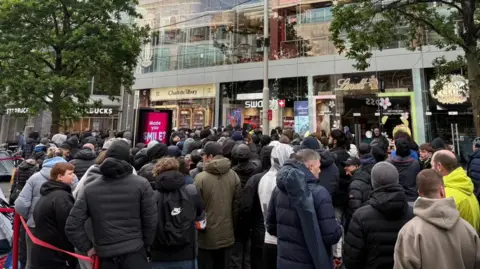
Store closures began appearing across major UK cities and retail centers as branch managers prioritized safety over sales opportunities. Rather than continuing to operate under chaotic conditions, Swatch corporate leadership made the strategic decision to temporarily halt operations at affected locations, allowing time for staff to regroup and implement more organized retail procedures. This proactive approach ultimately protected the company's reputation and demonstrated a commitment to customer safety that has been widely praised by retail observers and consumer advocates.
The decision to close stores also provided Swatch with an opportunity to better manage inventory and implement orderly distribution systems that would allow customers to purchase the watch in a safer and more pleasant environment. Staff members used the closure period to prepare for controlled reopening procedures that would include measures such as limited capacity entry points, designated queue areas, and potentially ticketing systems to regulate the flow of customers through retail locations. These preparations represented a significant undertaking that required coordination across multiple departments and careful planning to ensure smooth operations upon reopening.
Consumer response to the temporary closures has been remarkably positive overall, with many customers expressing understanding and appreciation for Swatch's prioritization of safety. Social media platforms have filled with posts from watch enthusiasts discussing their experiences waiting in queues and their hopes of securing the limited-edition piece when stores reopen under improved conditions. This organic positive sentiment has actually enhanced the brand's reputation, positioning Swatch as a customer-focused company willing to make difficult operational decisions in the interest of consumer welfare.
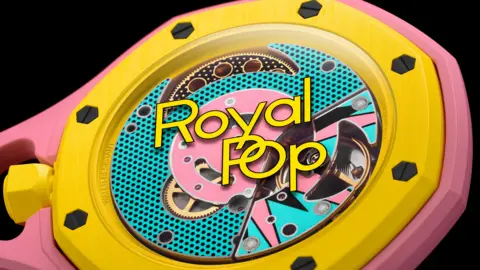
The retail success of this particular watch release highlights broader trends in the luxury goods and timepiece industries, where limited editions and exclusive releases continue to generate disproportionate consumer interest. The ability to create a sense of urgency and exclusivity around a product has proven to be an effective marketing strategy for Swatch, leveraging the brand's heritage and design expertise to command premium prices for innovative timepieces. This release demonstrates that even in an era of smartwatches and digital timekeeping, there remains substantial appetite for analog watches that combine form, function, and collectible value.
Supply chain considerations have also played a role in the intense demand for the watch, as global supply challenges have made limited-edition releases increasingly rare and therefore more valuable to collectors. The scarcity factor inherent in limited-edition products naturally amplifies consumer desire, creating conditions where queuing becomes normalized behavior and retail chaos becomes a badge of honor for dedicated brand followers. Swatch appears to have successfully capitalized on these market dynamics, though the unexpected scale of customer response necessitated significant operational adjustments.
The incident has broader implications for the retail sector, particularly regarding how brands manage demand for high-profile product releases in the post-pandemic era when consumer behavior patterns remain somewhat unpredictable. Retailers across multiple industries are now paying closer attention to the Swatch case study, considering how similar surge in demand situations might be handled at their own locations. The temporary closure approach offers a viable alternative to managing dangerous crowds while maintaining customer goodwill and brand reputation.
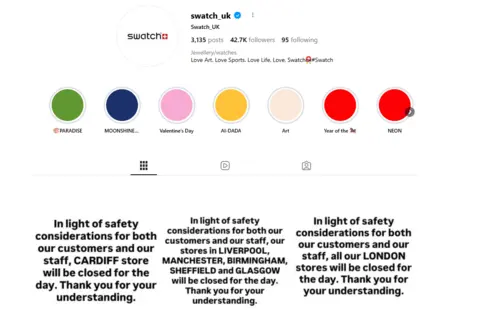
Looking forward, Swatch will likely implement enhanced planning procedures for future limited-edition releases, incorporating lessons learned from this unprecedented surge in demand. The company may invest in better demand forecasting tools, develop more sophisticated queuing management systems, or potentially shift toward online-exclusive releases for certain products to distribute demand more evenly across sales channels. These operational innovations could position Swatch as an industry leader in managing consumer enthusiasm while maintaining operational integrity.
The temporary store closures ultimately serve as a testament to Swatch's enduring appeal and its ability to generate excitement across consumer demographics. What began as a standard product launch evolved into a significant retail event that captured public attention and generated substantial media coverage. As Swatch prepares to reopen its affected locations with improved systems in place, the brand has successfully transformed a potentially problematic situation into a marketing advantage that further reinforces its position as an innovative and consumer-responsive watchmaker in today's dynamic retail landscape.
Source: BBC News


