
Swatch Store Chaos: Police Deploy Teargas at Royal Pop Launch

Limited-edition Swatch Royal Pop watches spark unprecedented chaos across Europe and NYC, forcing store closures and police intervention with teargas.
The highly anticipated launch of limited-edition Swatch watches created scenes of disorder and disruption across multiple European cities and New York, with the situation escalating to such a degree that French authorities deployed teargas to manage unruly crowds near a Paris location. The unprecedented demand for the Royal Pop timepieces, a collaboration between the Swiss watchmaker Swatch and the prestigious luxury brand Audemars Piguet, transformed what was meant to be a celebratory retail event into a logistical nightmare that left retailers scrambling to maintain safety and order.
Thousands of watch enthusiasts and collectors descended upon designated Swatch stores beginning Friday evening, with many establishing makeshift camps outside retail locations in hopes of securing one of the coveted timepieces. Some dedicated fans camped out for multiple consecutive days and nights, demonstrating the extraordinary appeal and perceived value of this exclusive collaboration. The watch launch generated a level of consumer enthusiasm rarely seen in the retail sector, rivaling the fervor typically associated with major technology releases or limited sneaker drops from premium athletic brands.
In response to the deteriorating conditions at storefronts, several UK retailers made the difficult decision to temporarily close their locations for the safety and wellbeing of both customers and staff members. Store managers reported dangerous conditions including physical pushing, shoving, and what witnesses described as resembling a chaotic concert venue rather than an orderly retail environment. The crowding incidents highlighted the challenges that arise when demand for a product dramatically exceeds available supply and consumer expectations clash with physical space limitations.

The Royal Pop collection represents a significant collaboration between two watchmaking entities with distinct market positions and brand identities. Swatch, known for its colorful, accessible, and playful approach to watch design, joined forces with Audemars Piguet, one of the world's most respected and exclusive luxury watchmakers. This partnership brought together Swiss precision engineering with bold, contemporary aesthetics that appealed to both seasoned collectors and casual watch enthusiasts entering the market. The resulting timepieces combined technical excellence with eye-catching designs that commanded attention and generated substantial social media buzz in the weeks leading up to the official release.
French police presence became necessary at several locations, particularly near the Paris store where teargas deployment was authorized to disperse crowds and restore order. Eyewitness accounts described scenes of pushing, jostling, and physical altercations that prompted law enforcement intervention. Store employees reported feeling overwhelmed and concerned for their personal safety as the situation spiraled beyond their ability to manage through standard retail protocols. The need for police action underscores how consumer demand and product scarcity can create volatile situations within commercial spaces.
The overnight camping phenomenon revealed the extreme lengths some customers would go to secure the watches. Some enthusiasts arrived at locations as early as Thursday evening, positioning themselves at the front of growing queues. News crews documented the scene, interviewing dedicated fans about their motivations and the watches' significance to their collections. Many participants cited the collaborative design and limited availability as primary reasons for their willingness to endure uncomfortable camping conditions and potential confrontation with other equally determined shoppers.
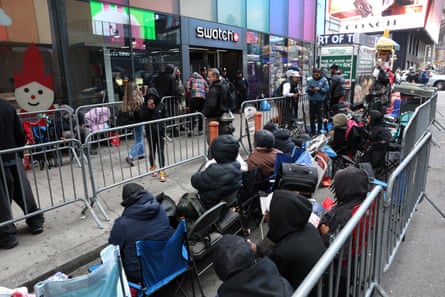
Retail analysts have noted that limited-edition product launches increasingly generate this type of consumer behavior, particularly when brands create artificial scarcity to maintain exclusivity and desirability. The retail scarcity strategy, while effective for generating buzz and media attention, creates genuine safety and liability concerns for store operators. Retailers must balance the marketing advantages of limited releases against the responsibility to provide secure shopping environments free from harassment or injury. This tension has become increasingly pronounced in the era of social media, where successful product drops generate immediate visibility and drive crowds of motivated consumers.
The incident raised important questions about how luxury brands and retailers should manage high-demand launches to prevent chaos and ensure customer safety. Some industry observers suggested that pre-ordering systems, appointment-based sales, or online-exclusive releases might mitigate the physical crowding and confrontational atmosphere that develops when hundreds of people converge simultaneously on retail locations. Others argued that the exclusivity associated with in-store launches contributes meaningfully to the brand experience and perceived value of limited products.
Store closures in the UK demonstrated retailers' commitment to protecting both customers and employees from harm, even as it meant missing sales opportunities during the critical launch window. Management decisions to shutter locations reflected real concerns about liability and duty of care, particularly given the physical scuffles and safety hazards that had already materialized at other sites. News coverage of the closures further amplified awareness of the collection, creating additional demand that extended beyond the initial launch period.
The collaboration between Swatch and Audemars Piguet had generated considerable anticipation within watch communities and fashion circles in the months preceding the launch. Design previews shared on official channels and through fashion and lifestyle media outlets created a cultural moment around the product release. The watches themselves featured distinctive pop art-inspired aesthetics with bold color combinations and playful design elements that distinguished them from typical luxury watch offerings. This distinctive visual approach expanded appeal beyond traditional watch collectors to include fashion-forward consumers and pop culture enthusiasts.
Following the incidents, both Swatch and Audemars Piguet released statements addressing the chaos and expressing concern about the safety of their customers. Company representatives thanked law enforcement for their efforts in managing the crowds and reassured the public about the availability of the timepieces through various channels. Some watches remained available for purchase through online platforms and at locations that had successfully managed crowds without requiring closure or police intervention. The brands acknowledged the unprecedented demand while simultaneously distancing themselves from responsibility for the chaotic scenes captured on video and documented by news organizations.
This event serves as a case study in the complexities of modern luxury retail, where the intersection of limited availability, social media amplification, and genuine consumer desire can create situations that spiral beyond the control of traditional retail management practices. The Swatch Royal Pop launch chaos will likely inform how brands approach future limited-edition releases, potentially leading to revised strategies that prioritize safety and orderly transactions alongside the exclusive appeal that generates consumer interest. Whether brands ultimately embrace alternatives to in-store launches or continue with physical retail experiences remains to be seen, but the incident certainly demonstrated the risks and challenges inherent in managing extraordinary consumer demand for rare and desirable products in shared commercial spaces.


