
Sydney's Iconic Building: From Neglect to National Heritage Gem

Historic Department of Lands building transformed into architectural showcase. National Trust recognizes stunning restoration of Sydney's Bridge Street masterpiece.
A magnificent sandstone heritage building that once served as a vital hub for returned soldiers has undergone a remarkable transformation, earning prestigious recognition from the National Trust. The former Department of Lands building located on Sydney's Bridge Street has been restored to its former glory, marking a significant victory for heritage conservation advocates and urban planners committed to preserving Australia's architectural legacy.
The structure's journey from grandeur to decline and back to prominence tells a compelling story about urban development, heritage preservation, and architectural vision in contemporary Sydney. Originally constructed as a civic masterpiece, the building featured elegant marble corridors and impressive sandstone facades that reflected the craftsmanship and ambition of earlier generations. Veterans returning from military service would navigate these hallowed halls, gathering in anticipation of lottery drawings that held the promise of new homes and fresh starts in post-war Australia.
However, as the twentieth century progressed, the building's condition deteriorated significantly. The once-pristine interior spaces were subdivided with utilitarian partitions, dropped ceilings obscured original architectural details, and the overall aesthetic appeal was diminished by decades of ad-hoc modifications and minimal maintenance. What had once symbolized civic pride and national gratitude toward service members became just another aging government office, its historical significance largely forgotten by passing commuters and bureaucratic occupants.

The redevelopment project represented a substantial undertaking that required extensive research, careful planning, and significant financial investment. Heritage architects and conservators worked meticulously to uncover original design elements hidden beneath layers of modern additions. They studied historical records, examined photographic archives, and consulted with specialists in nineteenth-century construction techniques to ensure authenticity in every aspect of the restoration process.
The transformation proved particularly notable for its scale and ambition within Sydney's increasingly competitive real estate market. Rather than demolishing the aging structure to make way for generic contemporary development, stakeholders recognized the building's cultural and historical importance. The decision to preserve and rehabilitate the Bridge Street landmark demonstrated a commitment to maintaining Sydney's architectural character amid rapid urbanization and gentrification pressures affecting historic districts throughout Australia's major cities.
The interior restoration work involved removing unsightly partitions that had fragmented the original open floor plans, exposing and refinishing marble columns and architectural embellishments, and installing modern facilities while maintaining period-appropriate aesthetics. Craftspeople replicated ornamental plasterwork, restored original windows and doors, and carefully selected contemporary elements that complemented rather than competed with historic design features. The result created spaces that honored the building's past while accommodating modern functional requirements.
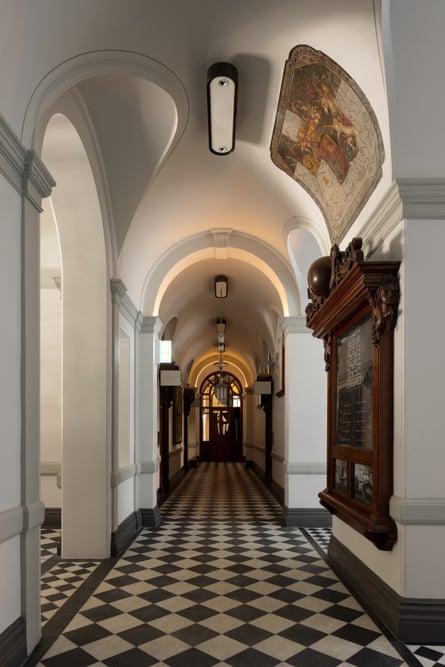
The National Trust heritage award recognition validates the exceptional quality of the restoration work and reinforces the value of conservation-focused development in Australia's urban centers. Such awards serve as important markers of excellence within the heritage preservation community and help establish standards for future restoration projects. The recognition also provides visibility and credibility for developers and architects committed to respectful heritage stewardship, potentially encouraging similar projects elsewhere in Sydney and beyond.
The building's new purpose as an event and hospitality venue transformed its cultural role entirely. Where bureaucrats once processed applications and veterans anxiously awaited housing decisions, sophisticated gatherings now take place within carefully restored spaces. The haute couture venue serves as an elegant backdrop for fashion presentations, corporate functions, and cultural events that draw Sydney's most discerning clientele. This adaptive reuse demonstrates how heritage buildings can generate economic value while preserving historical significance.
The project contributes to broader conversations about sustainable urban development and the importance of protecting architectural heritage in rapidly changing cities. Rather than pursuing endless demolition and new construction, preserving established buildings reduces waste, maintains neighborhood character, and honors the craftsmanship and vision of previous generations. The Department of Lands building exemplifies how thoughtful restoration can create economic opportunities while strengthening community identity and cultural continuity.
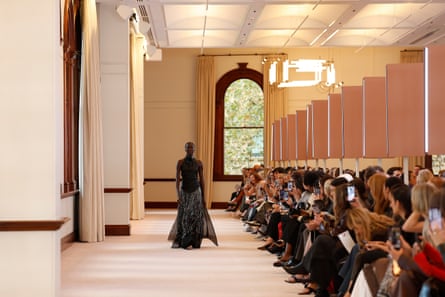
The restoration project also generated employment for specialized trades, including stonemasons, heritage plasterers, decorative painters, and period-appropriate craftspeople whose skills might otherwise decline in contemporary construction markets increasingly focused on standardized modern building techniques. This economic dimension extends heritage conservation's impact beyond aesthetic and cultural preservation into workforce development and skills maintenance within traditional building trades.
The successful transformation of the Department of Lands building offers valuable lessons for other cities grappling with aging civic infrastructure and heritage preservation challenges. Sydney's experience demonstrates that with adequate vision, resources, and expertise, even significantly deteriorated buildings can be revitalized into assets that enhance urban vitality. The project stands as testament to the possibility of honoring history while creating dynamic contemporary spaces that serve modern communities and economies.
Looking forward, the heritage building restoration project may inspire similar initiatives throughout Sydney's historic districts, where numerous buildings await recognition and revitalization. The National Trust award provides both validation and momentum for ongoing heritage conservation efforts, signaling to developers, policymakers, and investors that preservation-focused projects merit serious consideration alongside conventional development approaches. The story of the Department of Lands building demonstrates that Sydney's architectural heritage remains valuable, relevant, and worth protecting for future generations.


