
Syria Arrests Suspected Tadamon Massacre Leader

Syrian security forces capture Amjad Youssef, a fugitive accused of leading the Tadamon massacre that killed nearly 290 civilians during Assad regime.
A significant development in Syrian justice has emerged following the fall of Bashar al-Assad's regime, as security forces have successfully apprehended Amjad Youssef, a former regime official suspected of orchestrating one of the most heinous war crimes of the Syrian conflict. The arrest of this most-wanted fugitive represents a major breakthrough in efforts to hold accountable those responsible for the devastating Tadamon massacre, which resulted in the deaths of nearly 290 innocent civilians. The capture was announced by Syria's interior ministry, signaling renewed commitment to prosecuting those implicated in atrocities committed during years of civil war.
According to Syrian Interior Minister Anas Khattab, Youssef was apprehended in the countryside approximately 30 miles outside the city of Hama through what he described as a "carefully executed security operation." The location of the arrest, in rural areas surrounding one of Syria's major population centers, underscores the extensive manhunt that had been underway to locate this individual since the regime's collapse. The operation demonstrates the determination of new Syrian authorities to track down individuals suspected of perpetrating mass atrocities throughout the prolonged conflict that devastated the nation.
The Tadamon massacre itself stands as one of the most documented and investigated civilian killings during the Syrian civil war, bringing international attention to the scale of brutality perpetrated against non-combatants. The incident was notably exposed and investigated by journalists and academics affiliated with The Guardian, who conducted extensive research to identify the perpetrators and document the circumstances surrounding the mass killing. This investigative journalism played a crucial role in establishing a clear record of the atrocity and identifying those responsible, contributing significantly to the eventual identification of Youssef as the suspected leader of the operation.
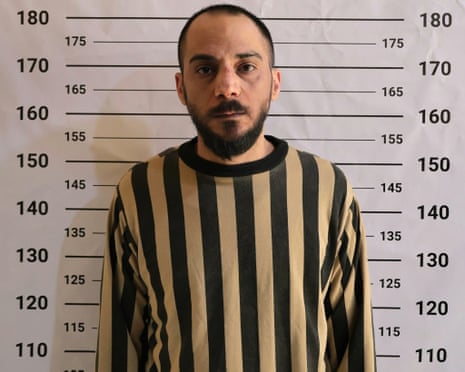
Youssef's capture comes at a critical juncture in Syria's post-conflict reconstruction period, as the country grapples with the massive challenge of documenting and prosecuting war crimes committed during the devastating 13-year conflict. The arrest reflects broader international pressure and accountability mechanisms designed to ensure that those responsible for mass atrocities face justice. Many observers view such prosecutions as essential to Syria's healing process and to establishing the rule of law in the aftermath of authoritarian rule. The new Syrian authorities have indicated their willingness to pursue such cases, signaling a potential shift toward accountability that was virtually impossible under the previous regime.
The circumstances of Youssef's arrest highlight the ongoing challenges facing Syrian security forces in locating and apprehending numerous individuals suspected of involvement in documented war crimes. The fugitive had successfully evaded capture for an extended period following Assad's departure from power, indicating the complexity of security operations in a nation still recovering from conflict. However, improved intelligence gathering capabilities and international cooperation have enhanced the ability of Syrian authorities to track down high-profile suspects. The operation that led to Youssef's capture demonstrates these improving capabilities and suggests that additional arrests of other suspected war criminals may follow.
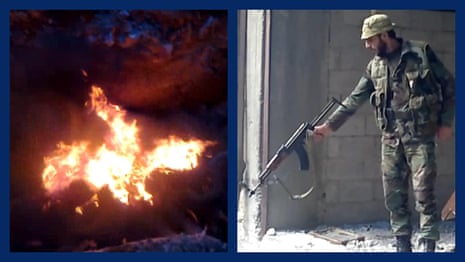
International human rights organizations have closely monitored developments in Syrian accountability efforts, viewing the prosecution of high-profile suspects as critical to preventing impunity for mass atrocities. The arrest of Youssef is likely to be welcomed by victim advocacy groups and families of those killed in the Tadamon massacre, many of whom have campaigned tirelessly for justice. The investigative work that originally exposed the massacre created a strong evidential foundation that facilitates prosecution efforts. This combination of international pressure, survivor testimony, and documentary evidence creates conditions for meaningful accountability in a region where such justice has historically been elusive.
The handling of Youssef's case will serve as a critical test for Syria's emerging judicial system and its commitment to prosecuting perpetrators of mass violence. Questions remain regarding the specific charges that will be pursued, the evidentiary standards that will be applied, and the transparency of any proceedings. International observers are keenly interested in how Syrian authorities will balance the demands for swift justice with the requirement for fair legal processes. The precedent established through this high-profile case could significantly influence the trajectory of accountability efforts for hundreds of other suspected war criminals remaining in the country or abroad.
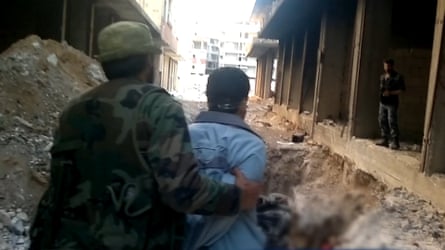
The arrest also underscores the importance of investigative journalism in exposing atrocities and holding powerful figures accountable when state institutions fail to do so. The Guardian's detailed investigation into the Tadamon massacre provided crucial documentation that helped identify Youssef and other perpetrators, demonstrating how independent media can contribute to justice efforts. This investigative work persisted even when official Syrian institutions were controlled by individuals implicated in the very atrocities being documented. The success of such journalism in ultimately contributing to capture and potential prosecution validates the critical role of independent reporting in conflict-affected regions where state accountability mechanisms are compromised.
As Syria enters this new chapter following the fall of the Assad regime, questions about comprehensive accountability and transitional justice will continue to dominate policy discussions. Youssef's arrest represents progress on these challenging issues, though observers acknowledge that comprehensive justice for all victims of the Syrian conflict may remain incomplete. The international community, including the United Nations and various human rights bodies, continue to monitor developments in Syrian accountability efforts. Moving forward, the success of cases like Youssef's prosecution will be instrumental in shaping whether Syria can achieve meaningful reconciliation and establish institutions capable of preventing future mass atrocities.
Source: The Guardian


