
Syria's Historic Trial: Justice Path Opens for Assad Regime Victims

Former Syrian regime official Atef Najib faces court in landmark trial. Explore how this proceeding marks a critical first step toward accountability for victims of Assad's brutal regime.
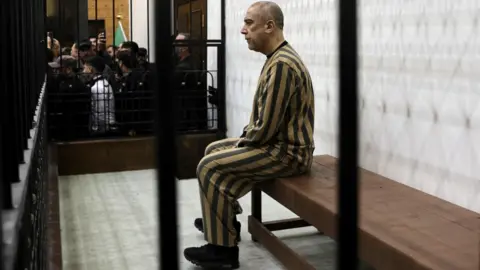
In a momentous development for Syrian justice and international accountability, former senior regime official Atef Najib appeared before a Damascus court in proceedings that observers describe as potentially historic. The trial, which took place amid highly charged courtroom scenes, represents a significant turning point for a nation that has endured over a decade of devastating civil conflict. Najib's appearance marks one of the first instances in which a prominent figure from Bashar al-Assad's government has faced legal proceedings within Syrian territory, signaling a potential shift toward addressing the systematic abuses committed during the prolonged conflict.
The courtroom atmosphere reflected the deep emotional wounds that persist across Syrian society following years of alleged torture, extrajudicial killings, and widespread human rights violations attributed to the Assad regime's security apparatus. Atef Najib, who held significant authority within Syria's security infrastructure, stands accused of involvement in serious crimes that affected countless civilians throughout the country. His appearance in court drew international attention from human rights organizations, legal experts, and representatives of victims' families who have long advocated for meaningful accountability and justice for those who suffered under the regime's rule.
Observers and legal analysts have characterized this trial as representing merely an initial phase in what promises to be an extensive and complex journey toward comprehensive justice. The proceedings underscore the monumental challenges facing Syria as it attempts to reckon with a systematic culture of abuse that permeated state institutions for decades. International legal experts have noted that achieving full accountability for all alleged perpetrators would require sustained commitment, institutional reform, and cooperation between various stakeholders within Syrian society and the international community.
The Syrian justice system faces extraordinary obstacles as it attempts to process cases related to regime crimes while the country remains politically unstable and divided. Many courtrooms lack adequate resources, trained personnel, and proper documentation necessary for conducting thorough legal investigations and trials. Additionally, the physical and psychological trauma experienced by witnesses and victims poses significant challenges to gathering reliable testimony and building strong legal cases. These systemic constraints mean that even pursuing high-profile cases like Najib's requires substantial international support and technical assistance.
Human rights organizations have cautiously welcomed the trial while emphasizing that it represents only a fraction of the accountability that broader Assad regime victims deserve. Thousands of individuals disappeared into Syrian prisons during the conflict, with many never emerging or being released only after enduring extended periods of torture and abuse. Families of the disappeared continue to demand answers about the fate of their loved ones and justice for the perpetrators of these crimes. The trial of Najib, therefore, carries profound symbolic weight for survivors and bereaved families who view it as evidence that accountability may eventually reach high-level officials responsible for orchestrating these abuses.
The international community has watched these developments with considerable interest, recognizing that Syrian accountability mechanisms could set important precedents for transitional justice in post-conflict societies. Several countries and international organizations have provided varying degrees of support for documenting crimes and assisting with legal proceedings, though the extent of this assistance remains limited by geopolitical complexities and ongoing regional tensions. Some nations have initiated their own legal processes against Syrian officials accused of crimes, pursuing cases in their domestic courts under the principle of universal jurisdiction.

Legal scholars emphasize that the path to comprehensive justice for Assad regime abuses involves multiple mechanisms operating simultaneously at different levels. Domestic courts like those in Damascus represent one avenue, while international courts and tribunals offer additional possibilities for prosecution. Truth and reconciliation initiatives also play important roles in addressing historical trauma and promoting societal healing. However, these various approaches often encounter significant obstacles, including limited international cooperation, evidentiary challenges, and questions about the legitimacy of transitional justice processes in countries with uncertain political futures.
The appearance of Atef Najib in court carries particular significance given his previous role within Syria's security apparatus, an institution widely documented by international human rights bodies as responsible for systematic torture. As a high-ranking security official, Najib's potential conviction could establish important precedents regarding command responsibility and institutional accountability. Prosecutors face the burden of demonstrating not only that specific crimes occurred but also that individuals in positions of authority either directly participated in abuses or failed to prevent subordinates from committing them—a complex legal standard that requires substantial documentary evidence and witness testimony.

Victims and their representatives have articulated hopes that this trial represents the beginning of a broader reckoning with the Assad regime's security forces. Survivors of torture and families of those killed or disappeared have given testimony documenting systematic patterns of abuse that extended across multiple detention facilities throughout the country. These accounts provide crucial evidence for prosecutions while also serving the important function of officially acknowledging the suffering endured and creating historical records for future generations. The testimonial process itself, while emotionally demanding, enables survivors to participate actively in seeking justice and can contribute to individual and collective healing.
The trial's proceedings also highlight broader questions about how transitional societies can effectively address massive human rights violations while simultaneously attempting to rebuild institutions, maintain stability, and foster reconciliation. Syria faces the particularly challenging situation of attempting these processes within a context of ongoing political instability and fragmentation. Some analysts argue that sustainable accountability mechanisms require substantial investments in institutional capacity-building, legal education, and victim support services—resources that Syria currently lacks due to the country's severe economic difficulties and infrastructure destruction.

Moving forward, observers anticipate that the outcome of Najib's trial will significantly influence the trajectory of future accountability efforts within Syria. A successful prosecution could encourage additional cases against other regime officials and inspire greater public confidence in the justice system's ability to deliver accountability. Conversely, acquittal or procedural problems could demoralize victims and reduce willingness to participate in future proceedings. International organizations monitoring the trial have emphasized the importance of maintaining fair, transparent judicial processes that meet international standards for due process and legal representation, thereby strengthening the legitimacy of any outcomes and contributing to broader societal reconciliation.
The long road ahead for Syrian victims seeking justice remains uncertain and challenging, yet the trial of Atef Najib represents a meaningful step forward in acknowledging past abuses and establishing accountability mechanisms. Whether this initial proceeding catalyzes more comprehensive justice efforts or remains an isolated case will depend on numerous factors including political will, international support, and the capacity of Syria's institutions to sustain complex legal proceedings. Nevertheless, the courtroom appearance of a prominent regime official signals that even in deeply fractured post-conflict societies, pathways toward accountability and justice remain possible when victims, legal professionals, and international observers unite in demanding meaningful accountability for systematic human rights violations.
Source: BBC News


