
Syria's Post-Assad Justice: Celebrating Arrests of Massacre Suspects

Syria's new government arrests intelligence officers linked to 2013 Tadamon massacres. Activists celebrate but questions remain about true accountability and justice.
As Syria transitions into a new era following the fall of Bashar al-Assad's authoritarian regime, the country faces a complex and deeply challenging question: how to balance security concerns with the demands for justice for victims of past atrocities. Recent arrests of individuals connected to brutal killings have sparked both celebration and skepticism among survivors and human rights advocates, raising fundamental questions about whether the new government is genuinely committed to accountability or merely engaging in what critics describe as performative justice.
The arrest of Amjad Youssef, a Syrian intelligence officer allegedly responsible for killings in the 2013 Tadamon massacres, has become a focal point for this debate. When news of his detention emerged last month, activists like Ahmad al-Homsi found themselves overwhelmed with emotion. Al-Homsi, a 33-year-old advocate with the Tadamon Coordination Committee who has spent years documenting the atrocities that devastated the Damascus neighbourhood, experienced an outpouring of joy that he described as almost surreal.
The celebrations that erupted following Youssef's arrest reflected the deep trauma and long-standing grief that has defined the lives of those affected by the Tadamon massacres. Al-Homsi's account of the festivities reveals the profound significance this moment holds for survivors and their families. "We stayed out for almost three or four days celebrating. People from neighbouring areas sent camels, sheep, livestock for us to slaughter and distribute them to people. The tears of joy didn't stop," he recounted, describing a celebration that transcended typical demonstrations of happiness and instead represented a cathartic release of years of anguish and hope for accountability.

The Tadamon Coordination Committee, which has served as a crucial entity in documenting the systematic violence perpetrated against the neighbourhood's residents, has worked tirelessly to preserve evidence and testimony regarding these massacres. The organization's efforts have been instrumental in keeping international attention focused on crimes that might otherwise have faded from public consciousness. The arrest of someone directly implicated in these killings represents, for many survivors, a vindication of their long struggle for recognition and accountability.
However, beneath the surface of these celebrations lies a more troubling narrative that has begun to emerge regarding the new Syrian government's approach to transitional justice. Multiple reports and testimonies from human rights organizations suggest that the authorities may be engaging in what critics have termed performative justice—a strategy that involves making arrests and public gestures toward accountability while simultaneously making behind-the-scenes deals with suspects to avoid comprehensive investigations or trials. This dual approach raises serious questions about whether the new government is genuinely interested in holding perpetrators fully accountable or whether it is more focused on creating an appearance of justice while maintaining stability and security.
The accusations of making deals with suspects represent a particularly troubling dimension of Syria's post-Assad transition. If verified, such arrangements would suggest that the new government is prioritizing practical considerations—such as maintaining order, securing the cooperation of former security officials, or ensuring economic stability—over the fundamental right of victims to see justice fully served. This pattern would not be unprecedented in post-conflict societies, where transitional governments often face the difficult choice between security and comprehensive accountability.
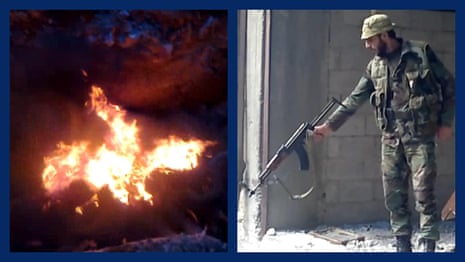
The 2013 Tadamon massacres themselves represent one of the darkest chapters in Syria's recent history. The killings, carried out by government forces and militia groups affiliated with the Assad regime, resulted in the deaths of numerous civilians in circumstances that appear to constitute war crimes. Survivors have long waited for the international community and, more importantly, for Syrian authorities themselves to take meaningful action against those responsible. The prospect of domestic prosecution offered hope that justice might finally be served within Syria itself, rather than requiring international courts or trials held in absentia.
Ahmad al-Homsi and the Tadamon Coordination Committee represent a broader movement of Syrian activists and survivor advocates who have refused to allow these atrocities to be forgotten or minimized. Despite the dangers they face and the tremendous emotional toll of their work, these individuals have maintained meticulous records of what occurred, interviewed survivors and witnesses, and worked to ensure that evidence is preserved for potential future prosecutions. Their dedication reflects a determination to ensure that those responsible cannot simply disappear into the new political landscape without facing consequences.
The international community has closely watched Syria's approach to transitional justice, recognizing that how the new government handles reckoning with past atrocities will set important precedents for how Syrian society moves forward. Human rights organizations, including the United Nations, have called for thorough, transparent investigations and prosecutions that meet international standards. However, the apparent willingness of authorities to make deals with suspects threatens to undermine these standards and potentially alienate the survivor community whose support and trust are essential for any sustainable peace process.
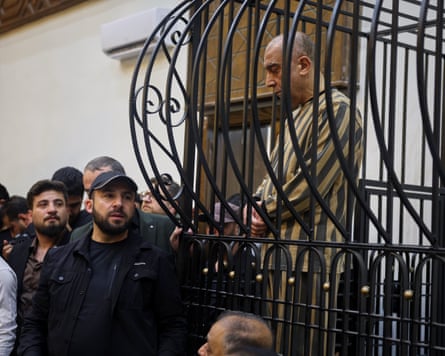
The challenge facing Syria's new government is formidable and multifaceted. On one hand, security officials and former Assad regime members possess knowledge and capabilities that the new government may feel it needs to maintain stability and prevent renewed conflict. On the other hand, survivors and their families have endured decades of suffering and deserve genuine justice, not merely symbolic gestures. These competing interests cannot easily be reconciled, yet both must be addressed for Syria to build a stable and legitimate post-conflict society.
Looking forward, the coming months and years will be critical in determining whether Syria's new authorities are truly committed to transitional justice or whether they will continue down a path of selective accountability and behind-the-scenes compromises. The eyes of the international community, survivor groups, and the broader Syrian population remain fixed on how these cases unfold. The arrest of Amjad Youssef and others may represent a beginning, but the nature of the justice that follows will ultimately determine whether Syria can genuinely reckon with its past or whether it will merely be covering over deep wounds without truly healing them.
The celebration that erupted when news of Youssef's arrest became public demonstrates the profound desire within Syrian society for accountability and closure. Yet that same moment of jubilation masks deeper anxieties about whether the promised reckoning with the Assad era will be comprehensive or compromised. As Syria navigates this critical transition, the resolution of these tensions will shape the country's future for generations to come, determining whether it can build a society based on rule of law and genuine justice or whether it will settle for a fragile stability purchased at the cost of accountability.


