
Tackling Floods to Safeguard Brazil's Coffee Heartland

Experts warn that quitting fossil fuels is crucial to mitigating deadly floods ravaging Brazil's crucial coffee-growing region, driving up global prices.
As the record-breaking floods continue to devastate the heartland of Brazil's coffee industry, scientists have issued a clear warning: the only way to stem this deadly tide is to quit the use of fossil fuels. The relentless global heating, driven by human-caused climate change, is the root cause of the intensifying extreme rainfall events that have triggered these catastrophic landslides and flooding.
Over the past month, dozens of residents in the state of Minas Gerais have been buried alive or swept away as roads transformed into raging rivers. Thousands more have been forced to evacuate their homes, and the wider, long-term impacts are poised to include skyrocketing coffee prices across the world.
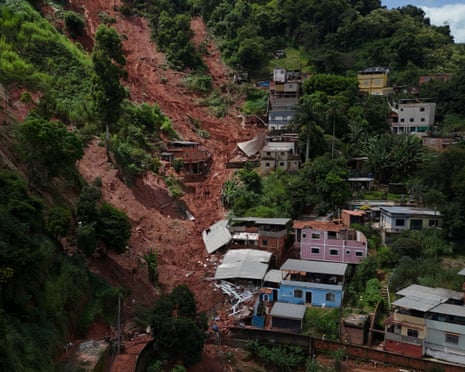
The scale of the devastation is staggering. Entire communities have been submerged, infrastructure has been decimated, and the agricultural heartland of Brazil's coffee industry has been ravaged. Experts warn that this is just the tip of the iceberg if the global reliance on fossil fuels remains unabated.
"The link between global heating and the rising risk of extreme rainfall events is clear," says Dr. Maria Oliveira, a climate scientist at the University of São Paulo. "As long as we continue to pump greenhouse gases into the atmosphere, we can expect these catastrophic floods to become more frequent and more severe. The only way to protect the livelihoods of coffee farmers and the broader economy is to urgently transition away from fossil fuels."
The impact on the global coffee supply is also a major concern. Brazil is the world's largest producer and exporter of coffee, and the Minas Gerais region is responsible for a significant portion of the country's coffee production. With plantations submerged and transportation networks disrupted, the resulting drop in coffee supply is likely to drive up prices worldwide.
"Coffee is a staple for millions of people around the globe, and the effects of these floods will be felt far beyond the borders of Brazil," warns economist Rafael Almeida. "It's a stark reminder of the interconnectedness of our global food systems and the urgent need to build resilience in the face of climate change."
As the world grapples with the cascading impacts of the climate crisis, the plight of Brazil's coffee heartland serves as a poignant example of the stakes involved. Decisive action to transition away from fossil fuels is not only essential for protecting local communities, but also for safeguarding the global economy and ensuring the continued availability of one of the world's most beloved beverages.
Source: The Guardian


