
Tackling Student Poverty: South Tyneside Appoints 'Poverty Policy Officers'

South Tyneside, UK introduces two new 'poverty policy officer' roles to assist families with school uniform costs and access to extracurricular activities, aiming to support students from low-income backgrounds.
In a move to address the challenges faced by students from disadvantaged backgrounds, the local government of South Tyneside, UK, has announced the creation of two new positions – school 'poverty policy officers'. These specialized roles will focus on addressing issues surrounding school uniforms and access to extracurricular activities, providing vital support to families struggling with the financial burden of education.
The decision to establish these positions comes as a recognition of the significant impact that poverty can have on a student's educational journey. Many families in South Tyneside, and across the UK, often find it challenging to afford the necessary school supplies, uniforms, and opportunities that are essential for a well-rounded learning experience. By appointing these 'poverty policy officers', the local authorities aim to bridge the gap and ensure that all students, regardless of their socioeconomic status, have equal access to the resources and activities that can support their academic and personal development.
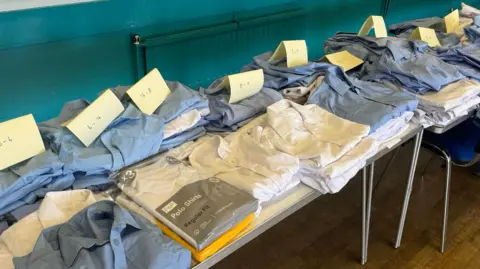
One of the primary responsibilities of the 'poverty policy officers' will be to assist families in obtaining affordable school uniforms. This can include facilitating the donation and exchange of gently used uniforms, as well as potentially working with local businesses and organizations to provide discounts or subsidies for the purchase of new uniform items. By addressing this crucial need, the officers hope to alleviate the financial burden on families and ensure that all students can attend school with dignity and confidence.
In addition to the uniform initiative, the 'poverty policy officers' will also focus on improving access to extracurricular activities. These enriching experiences, such as sports, art, and music programs, can have a profound impact on a student's overall well-being and academic performance. However, the cost of participating in these activities can be a significant barrier for many families. The officers will work to identify funding sources, scholarships, and partnership opportunities to ensure that all students, regardless of their financial circumstances, can take part in these valuable learning and recreational opportunities.
The introduction of these 'poverty policy officer' roles represents a proactive and holistic approach to addressing the challenges of student poverty in South Tyneside. By focusing on the specific needs of families, the local authorities hope to create a more equitable and inclusive educational environment, where all students have the chance to thrive and reach their full potential.
As the initiative unfolds, it will be crucial to monitor its effectiveness and explore the potential for replicating this model in other communities facing similar challenges. The success of these 'poverty policy officers' could serve as a blueprint for addressing the systemic barriers to educational equity and ensuring that every child has access to the resources and support they need to succeed.
Source: BBC News


