
Taiwan President Scraps Africa Trip Over Airspace Ban

Taiwan's president cancels African visit after Beijing pressures nations to revoke flight permits. Escalating diplomatic tensions revealed.
Taiwan's president has been forced to cancel a planned diplomatic visit to African nations following coordinated efforts by Beijing to restrict airspace access, marking a significant escalation in cross-strait tensions. The decision underscores the growing influence China exerts on the international stage and the increasing challenges Taiwan faces in maintaining diplomatic relationships with countries around the world. The cancellation represents another setback for Taiwan's already limited international presence, as the island nation continues to struggle for recognition among African states that maintain official ties with the People's Republic of China.
The Taiwanese government has directly accused Beijing of orchestrating a campaign to pressure African countries into revoking flight permits that would have allowed the presidential aircraft to traverse their airspace. According to officials from Taiwan's Ministry of Foreign Affairs, multiple African nations simultaneously withdrew the necessary authorizations, suggesting a coordinated diplomatic effort rather than independent decisions. This coordinated action demonstrates Beijing's sophisticated approach to isolating Taiwan diplomatically and limiting the island's ability to conduct high-level official visits abroad.
The incident reveals the complex geopolitical dynamics at play across the African continent, where many nations maintain diplomatic relations with mainland China while having minimal or non-existent official ties with Taiwan. African countries face significant economic pressure and incentives from Beijing through infrastructure investments, trade agreements, and development assistance programs that make them reluctant to support Taiwan's international initiatives. The diplomatic pressure campaign highlights how China leverages its economic influence to advance its political objectives and undermine Taiwan's standing in the global community.
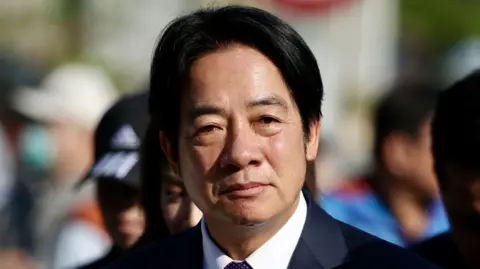
Taiwan's Ministry of Foreign Affairs issued a formal statement condemning what it characterized as Beijing's interference in its legitimate international activities and sovereign rights. The statement emphasized that the cancellation of the presidential trip represents a clear example of how cross-strait tensions are impacting Taiwan's ability to engage with other nations and conduct normal diplomatic operations. Officials noted that the restrictions placed on flight routing and airspace access have become increasingly restrictive over recent years, reflecting Beijing's determination to limit Taiwan's international visibility and diplomatic flexibility.
This development occurs within a broader context of deteriorating relations between Taipei and Beijing, particularly following recent statements from Taiwan's leadership regarding the island's commitment to democracy and independence. The president had planned to visit multiple African nations that maintain official diplomatic relations with Taiwan, one of the few remaining regions where the island retains any significant international standing. These visits are crucial for Taiwan to maintain these relationships and demonstrate its continued existence as an independent political entity on the world stage.
The airspace restrictions imposed by the African nations represent more than merely a travel inconvenience for Taiwan's leadership. They illustrate the practical constraints that Taiwan faces in executing its foreign policy objectives and maintaining its diplomatic relationships globally. The inability to fly presidential aircraft directly over African airspace forces Taiwan to either cancel visits entirely or undertake extremely lengthy routing through alternative paths, making official diplomatic missions logistically challenging and politically costly.
Beijing's approach to restricting Taiwan's diplomatic activities reflects the broader strategy of international isolation that has been a cornerstone of Chinese policy toward the island for decades. By pressuring countries to limit Taiwan's access to their airspace and refusing to recognize Taiwan's legitimacy on the international stage, China seeks to reinforce the narrative that Taiwan is merely a province of China rather than an independent political entity. This strategy has proven increasingly effective as more countries and multilateral organizations have shifted their recognition away from Taiwan toward the People's Republic of China.
The cancellation has prompted renewed discussions within Taiwan about the country's diplomatic strategy and its ability to maintain international relationships in the face of Chinese pressure. Analysts suggest that Taiwan may need to develop alternative diplomatic approaches that account for the increasing restrictions placed on its international activities. Some have called for Taiwan to strengthen relationships with democratic nations and international organizations that might provide support for maintaining its space for international engagement and diplomatic participation.
This incident also reflects broader concerns about Beijing's interference in the internal affairs of other nations and its willingness to leverage economic and political power to achieve strategic objectives. Many international observers have expressed concern about China's patterns of pressure on countries to limit their relationships with Taiwan or provide preferential treatment to China in diplomatic matters. The coordinated pressure on African nations demonstrates a sophisticated approach to achieving geopolitical goals through sustained diplomatic engagement and economic incentives.
The timing of the airspace restrictions is particularly significant given recent developments in Taiwan-China relations and international discussions about the future status of the island. Tensions have been running high between Taipei and Beijing for several months, with Chinese military activities around Taiwan increasing in frequency and scale. The airspace restrictions appear to be part of a broader campaign to isolate Taiwan diplomatically and limit its ability to project power and influence beyond its borders.
For Taiwan's diplomatic corps, the cancellation represents a major setback in their efforts to maintain relationships with the limited number of countries that still grant official recognition to the island. Taiwan maintains formal diplomatic ties with only 12 countries worldwide, mostly small nations in Central America and the Pacific, making each relationship precious and difficult to replace. The loss of even tentative engagement opportunities with African nations further constrains Taiwan's already limited diplomatic bandwidth and makes it harder to counter Beijing's diplomatic offensive.
The incident has drawn attention from international observers and analysts who monitor developments in East Asia and cross-strait relations. Many have warned that the pattern of restrictions and pressure on Taiwan's diplomatic activities could have destabilizing consequences if it continues to escalate. The restriction of diplomatic engagement opportunities may inadvertently increase tensions rather than resolve underlying disputes, as Taiwan is left with fewer constructive channels through which to interact with the international community and advance its interests peacefully.
Looking forward, Taiwan faces significant challenges in navigating an increasingly hostile diplomatic environment while maintaining its commitment to democratic governance and peaceful engagement with the international community. The cancellation of the African trip serves as a stark reminder of the island's precarious position in global politics and the limited options available for advancing its diplomatic agenda. Taiwan will likely need to pursue creative strategies for engaging with nations around the world while working through sympathetic democratic partners to counterbalance Beijing's growing diplomatic influence and pressure campaigns on the international stage.
Source: BBC News


