
Taiwan President Visits Eswatini After China Trip Cancellation

Taiwan's president makes surprise diplomatic visit to Eswatini despite China's interference. Details on the controversial journey and geopolitical tensions.
In a significant diplomatic maneuver, Taiwan's president has successfully completed a state visit to Eswatini, mere days after publicly attributing the cancellation of an earlier planned trip to interference from China. The unexpected journey has reignited tensions between Taipei and Beijing, with Chinese officials launching sharp criticism of the visit and questioning the legitimacy of the president's travel arrangements to the southern African nation.
The circumstances surrounding the president's arrival in Eswatini remain shrouded in mystery, with unclear details about the precise route and methods used to reach the country. This lack of transparency has fueled speculation among international observers and geopolitical analysts about the logistical challenges faced by Taiwan in conducting high-level diplomatic missions in nations that maintain formal diplomatic relations with the island nation.
China's official response to the visit has been notably harsh and dismissive. Beijing characterized the president's journey as a "stowaway-style escape farce," using inflammatory language that underscores the escalating diplomatic tensions between China and Taiwan. This rhetorical attack represents part of a broader pattern of Chinese criticism toward Taiwan's international diplomatic efforts and any moves perceived as strengthening Taiwan's global standing.
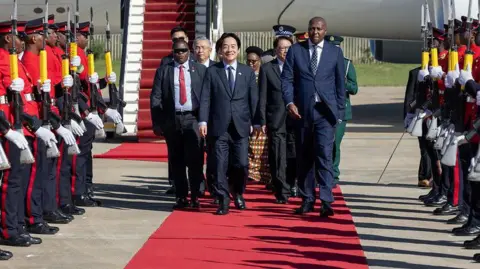
The Taiwan-Eswatini relationship holds particular importance within the context of Taiwan's shrinking number of formal diplomatic allies. Eswatini, officially the Kingdom of Eswatini, remains one of the few African nations maintaining official diplomatic recognition of Taiwan, making it a crucial partner in Taiwan's efforts to maintain international legitimacy and presence on the global stage. The visit underscores Taiwan's determination to strengthen these vital diplomatic ties despite mounting pressure from Beijing.
International observers have noted that the president's successful arrival and conduct of official business in Eswatini represents a symbolic victory for Taiwan's diplomacy, particularly given the recent cancellation and the public blame placed on Chinese interference. The ability to proceed with the visit despite these obstacles demonstrates Taiwan's commitment to maintaining and expanding its international relationships, even in the face of significant geopolitical obstacles and Chinese opposition.
The incident highlights the increasingly complex diplomatic landscape surrounding Taiwan, where nations must carefully navigate their relationships with both Beijing and Taipei. Many countries face pressure from China regarding their official recognition and diplomatic engagement with Taiwan, creating a challenging environment for Taiwan's foreign relations efforts. Eswatini's continued commitment to its relationship with Taiwan, despite China's growing economic and political influence in Africa, reflects the delicate balance that smaller nations must maintain in their international diplomacy.
The China-Taiwan diplomatic dispute has intensified in recent years as Beijing seeks to isolate Taiwan internationally and pressure nations to abandon recognition of the island. This visit to Eswatini represents one of many instances where Taiwan has had to work creatively and strategically to maintain its diplomatic presence despite such efforts. The president's determination to complete the mission, regardless of the complications and unclear travel arrangements, signals Taiwan's resolve to preserve its international relationships.
Eswatini's role as one of Taiwan's remaining diplomatic allies makes it particularly significant in Taiwan's broader strategy to maintain international recognition and participation in global affairs. The small African kingdom has resisted pressure from China, which has been aggressively courting African nations through its Belt and Road Initiative and other economic programs. This loyalty to Taiwan, even in the face of potential economic consequences, demonstrates the depth of the bilateral relationship.
The mysterious nature of how the president reached Eswatini raises questions about the practical challenges Taiwan faces in conducting normal diplomatic operations. The lack of clarity regarding the travel arrangements suggests that Taiwan may have had to take unconventional routes or methods to ensure the president could reach the country and carry out official duties. Such complications underscore the real-world consequences of Taiwan's complex international status and China's efforts to impede its diplomatic activities.
The geopolitical implications of this visit extend beyond the bilateral relationship between Taiwan and Eswatini. The incident sends a message to other nations that maintain diplomatic relations with Taiwan that they should expect continued pressure and criticism from China for doing so. However, it also demonstrates that maintaining these relationships remains possible, albeit with increased difficulty and unconventional measures required.
China's harsh criticism of the visit, labeling it as a "stowaway-style escape farce," reflects Beijing's frustration with Taiwan's continued efforts to maintain its international presence. This type of rhetoric is characteristic of China's broader approach to Taiwan policy, which emphasizes delegitimization of Taiwan's political system and its international standing. The dismissive characterization of the president's visit as a "farce" attempts to undermine the diplomatic significance of the mission and portray Taiwan as acting improperly on the international stage.
For Taiwan, successfully completing the visit despite the obstacles and China's opposition represents a diplomatic achievement. The president was able to conduct official business, reinforce ties with one of Taiwan's few remaining formal allies, and demonstrate Taiwan's capacity to navigate the challenging international environment in which it operates. These symbolic victories are important for Taiwan's morale and international credibility, even if they do not change the fundamental geopolitical realities.
Looking forward, the incident suggests that Taiwan and its diplomatic allies will need to continue developing creative solutions to conduct normal state business and maintain their relationships. The president's determination to reach Eswatini despite the difficulties indicates that Taiwan will not be deterred by China's interference or diplomatic pressure. The continued strength of Taiwan's relationship with Eswatini and other remaining allies will be crucial to Taiwan's ability to maintain its international presence and influence in the coming years.
Source: BBC News


