
Tanzania Election Violence Kills 500+, Inquiry Inconclusive

An investigation into Tanzania's election violence reveals over 500 deaths, but the official report stops short of assigning responsibility for the deadly clashes.
A comprehensive inquiry into Tanzania election violence has uncovered a devastating death toll, with more than 500 individuals killed during the tumultuous period surrounding the nation's recent electoral process. The investigation, which examined the circumstances and causes of the widespread unrest, represents one of the most significant examinations of post-election violence in the East African country's recent history. The findings have intensified scrutiny on the conduct of security forces and the political climate that preceded the bloodshed.
The official report documenting the Tanzania election deaths has become the subject of intense debate within the country and internationally, particularly regarding its failure to definitively establish responsibility for the violence. Opposition parties have persistently accused security forces of excessive force, claiming that state actors played a central role in the killings during the disputed electoral aftermath. These allegations have been met with counterarguments from government officials, who have suggested that multiple factors contributed to the unrest.
The investigation into election violence examined hundreds of incident reports, eyewitness testimonies, and available forensic evidence collected from various regions affected by the deadly confrontations. Researchers documented encounters that occurred in urban centers and rural areas alike, painting a picture of widespread chaos during the critical period following the announcement of electoral results. The scope of the inquiry was expansive, seeking to understand not only the immediate causes of violence but also the broader political and social context that may have contributed to such a significant loss of life.
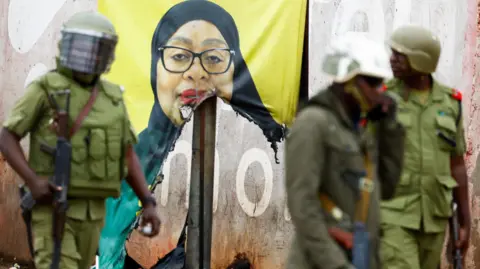
Opposition political leaders have been particularly vocal in their criticism of the inquiry's conclusions, arguing that the report's ambiguity regarding responsibility amounts to a failure of accountability. They contend that Tanzania's security forces were directly responsible for a substantial portion of the deaths, pointing to testimonies from witnesses who claim to have observed armed uniformed personnel committing acts of violence. These assertions have been supported by human rights organizations, which have called for further investigation and potential prosecutions.
The government's response to the inquiry has emphasized the complexity of the situation and the challenges inherent in assigning definitive responsibility during periods of civil unrest. Officials have suggested that determining causation in such chaotic circumstances requires careful analysis and that premature conclusions could lead to miscarriages of justice. This stance has done little to satisfy critics who demand clearer answers regarding who bears responsibility for the election-related deaths in Tanzania.
International observers and human rights monitors have closely followed the developments surrounding this inquiry with considerable concern. The inability of the official investigation to definitively assign responsibility represents a significant challenge to accountability in Tanzania's electoral process and raises questions about the independence and thoroughness of the investigative mechanism. Various international bodies have urged the government to conduct further probing and to consider additional investigative measures that might yield more conclusive results.
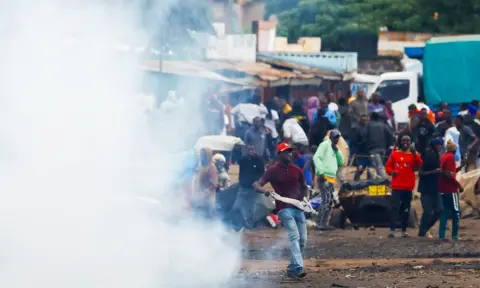
The violence that claimed more than 500 lives occurred during a period of heightened political tension, with disputed electoral results triggering widespread protests and civil unrest. Communities across multiple regions experienced significant disruption, with reports of looting, property destruction, and violent confrontations between various groups. The cascading nature of the violence suggested a complex situation involving multiple actors and motivations, though the specific role of each remains contested.
Victims' families have expressed profound frustration with the inquiry's findings, feeling that the ambiguous conclusions fail to provide justice or closure for their loss. Many have demanded that named individuals be held accountable for deaths within their communities, and several groups have indicated their intention to pursue alternative mechanisms for justice. The inability of the official inquiry to meet expectations for clarity has prompted discussions about potentially engaging international judicial mechanisms.
The political ramifications of the inquiry continue to reverberate through Tanzania's governance structures and democratic institutions. The Tanzania political crisis triggered by the election violence has left deep scars on the nation's social fabric, with significant divisions persisting between various segments of the population. Trust in state institutions, particularly security forces, has suffered considerable damage, and rebuilding public confidence represents a major challenge for the government.

Regional and international diplomatic efforts have focused on encouraging dialogue and reconciliation within Tanzania, recognizing that lasting stability depends on addressing underlying tensions and grievances. Several neighboring countries and international organizations have offered to mediate discussions aimed at promoting healing and preventing future violence. These initiatives, while well-intentioned, face significant obstacles given the depth of suspicion and the absence of clear accountability measures.
The inquiry's findings have also sparked substantive debates about the nature of election security in East Africa and the appropriate role of security forces during electoral periods. Security analysts have noted that many African nations face similar challenges in balancing the need to maintain order with the imperative to protect citizens from disproportionate force. The Tanzania case has become a focal point for these broader discussions about regional security practices and international standards for electoral conduct.
Civil society organizations within Tanzania have mobilized to demand stronger measures for accountability and transparency in the government's response to the inquiry's findings. These groups have organized forums for affected communities to share their experiences and have documented additional evidence that they believe should be incorporated into any subsequent investigations. Their efforts represent an important counterweight to potential efforts to move forward without properly addressing the causes of the violence.
The path forward for Tanzania remains uncertain, with significant questions about how the nation will address the legacy of violence and establish mechanisms for preventing similar tragedies in future electoral cycles. Policymakers and civil society leaders are actively engaged in discussions about potential reforms to electoral administration, security force training, and dispute resolution mechanisms. The effectiveness of these efforts in restoring stability and public trust will largely determine the nation's trajectory in the coming years.
Source: BBC News


