
Taylor's Immigration Plan Slammed as 'Dog-Whistle' Politics

PM Albanese accuses Coalition leader Angus Taylor of copying One Nation tactics with controversial plan to cut benefits for non-citizens and permanent residents.
Anthony Albanese has launched a scathing attack on Angus Taylor, accusing the opposition leader of engaging in divisive "dog-whistling" politics and copying One Nation's hardline stance on immigration. The Prime Minister's criticism centers on the Coalition's proposed plan to restrict social welfare benefits and government programs exclusively to Australian citizens, a move that would significantly impact permanent residents and migrants who have made Australia their home.
During his budget reply speech delivered on Thursday evening, Taylor outlined the Coalition's immigration policy, which includes plans to slash immigration levels and implement sweeping restrictions on welfare access. The proposal would fundamentally alter the social safety net by cutting permanent residents' access to critical support programs, including the National Disability Insurance Scheme (NDIS), JobSeeker allowance, and various other government assistance initiatives. This represents a significant shift in how Australia's welfare system would treat non-citizen residents who have been contributing to the Australian economy through taxation.
The Coalition's announcement has sparked considerable controversy among advocacy groups and political observers, with many questioning the fairness and practicality of such a sweeping policy change. Permanent residents, who have gone through rigorous vetting and have often been living in Australia for extended periods, would find themselves excluded from essential social support systems despite paying into the tax system like other Australian workers. This creates a complex situation where long-term residents could face financial hardship while remaining excluded from the safety nets that protect other members of the community.

Albanese's criticism focused on the political messaging behind Taylor's proposal, suggesting that the Coalition is deliberately adopting divisive rhetoric to appeal to voters concerned about immigration. The Prime Minister argued that using immigrants as political scapegoats for broader economic challenges represents a dangerous departure from Australia's traditional inclusive approach to immigration policy. By framing the issue as one of resource competition rather than economic contribution, Albanese contends that Taylor is employing the same tactics popularized by minor parties like One Nation.
Refugee advocacy organizations have joined the chorus of criticism, warning that migrants should not become targets for blame in discussions about Australia's economic challenges. These groups emphasize that immigrants, including permanent residents and refugees, make substantial contributions to the Australian economy and society. They argue that singling out vulnerable populations for welfare restrictions sends a troubling message and potentially violates principles of fairness and human dignity that have historically guided Australia's approach to immigration and social policy.
The debate over this proposal reflects broader tensions in Australian politics regarding immigration, welfare expenditure, and national identity. On one hand, policymakers concerned about government spending and population growth see restrictions on welfare as necessary cost-control measures. On the other hand, advocates for immigrants and refugees argue that such policies unfairly burden vulnerable populations and undermine the multicultural values that define modern Australia. The disagreement highlights fundamental questions about what obligations nations have toward permanent residents who have chosen to build their lives within their borders.
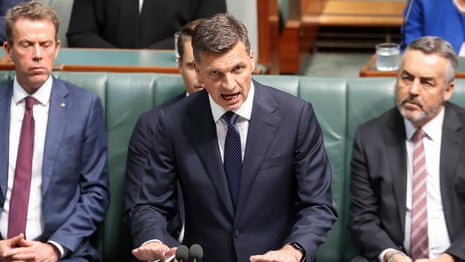
Taylor's budget reply speech detailed multiple aspects of the Coalition's policy platform, extending beyond just immigration and welfare restrictions. The opposition leader also addressed taxation issues, economic management, and other areas where the Coalition believes the current government has fallen short. However, the immigration and welfare components of his speech garnered the most immediate attention and sparked the most vigorous debate among political commentators and advocacy organizations.
The practical implementation of such a policy would present significant administrative challenges for government agencies. Current welfare systems would require substantial restructuring to verify citizenship status at various touchpoints, adding bureaucratic complexity and potentially increasing costs even as the policy aims to reduce welfare expenditure. Additionally, permanent residents who have been contributing to Medicare and other shared systems might reasonably expect access to services they have funded through their taxation, creating legal and ethical questions about the fairness of such restrictions.
International observers have noted that Australia's immigration debate mirrors similar political tensions occurring in other developed nations. Many Western democracies are grappling with questions about immigration policy, welfare access, and social cohesion. The approaches taken by different countries vary significantly, from relatively inclusive policies that extend social benefits to permanent residents, to more restrictive models that reserve certain programs exclusively for citizens. Australia's approach has historically fallen somewhere in the middle, making the Coalition's proposal a notable departure from the status quo.
Permanent residents constitute a significant portion of Australia's population and workforce, with many having lived in the country for decades. These individuals have successfully passed security checks, health assessments, and other requirements necessary for residency approval. Many work in essential sectors including healthcare, engineering, agriculture, and skilled trades, contributing substantially to Australia's economic productivity. The question of whether to restrict their access to welfare programs strikes at the heart of how Australia values and recognizes the contributions of its non-citizen residents.
The political implications of this policy proposal extend beyond immediate welfare considerations. By adopting a more restrictive stance on immigration benefits, the Coalition signals a broader shift in conservative political strategy on population and integration issues. This approach attempts to position the Coalition as more fiscally conservative while also appealing to voters concerned about rapid population growth and cultural change. However, critics argue that this strategy relies on divisive framing that portrays immigrants as economic burdens rather than contributors, potentially exacerbating social tensions.
The debate also raises questions about Australia's aging population and labor market needs. With fertility rates below replacement level and increasing proportions of elderly Australians requiring aged care and healthcare services, permanent residents and skilled migrants have become increasingly important to sustaining Australia's economy. Restricting welfare access to non-citizens, some economists argue, could discourage qualified professionals from seeking permanent residency in Australia, potentially exacerbating labor shortages in critical sectors.
Looking forward, the fate of the Coalition's immigration and welfare proposals will depend on how Australian voters respond to the competing narratives being presented by different political parties. Albanese's framing emphasizes inclusion and fairness, while Taylor's approach emphasizes fiscal responsibility and population management. Both perspectives contain elements that resonate with different segments of the electorate, suggesting that immigration policy will remain a central issue in upcoming electoral debates and political discussions about Australia's future direction.
As this debate continues to unfold, various stakeholder groups including business organizations, community leaders, and immigrant advocacy networks will likely mobilize to make their perspectives heard. The outcome of this policy discussion will significantly shape Australia's immigration landscape and welfare system for years to come, making it one of the most consequential political debates currently underway in Australian politics.


