
Tech Giants Adapt as Middle East Tensions Disrupt Remote Work

Tech giants scramble to respond as escalating Middle East tensions force office closures and remote work disruptions across the region's AI hub.
As tensions in the Middle East continue to escalate, leading tech giants are being forced to rapidly adapt their operations in the region. Many companies have been positioning the Middle East as an AI hub, driven by billions of dollars in investment, but the current geopolitical climate is creating significant disruptions.
Remote work and office closures have become the new norm as tech firms prioritize the safety and security of their employees. Several major players, including Google, Amazon, and Microsoft, have temporarily shuttered their regional offices and asked staff to work from home in response to the unfolding situation.
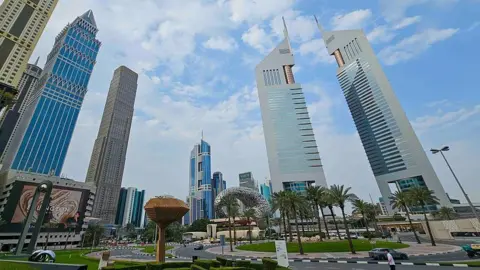
The tech industry's heavy reliance on global supply chains and the free movement of talent has also been impacted, with travel restrictions and logistical challenges complicating business operations. Recruiting and retaining skilled professionals in the region has become increasingly difficult as the uncertainty continues.
Despite the challenges, many tech companies remain committed to their Middle East investments and are working to minimize disruptions. Flexible work arrangements, enhanced security measures, and contingency planning are just some of the strategies being employed to navigate the complex environment.
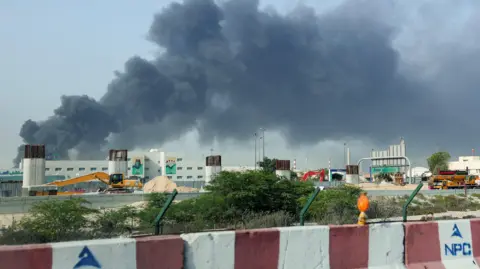
The Middle East's aspirations to become a global AI and technology hub face a critical test, as the industry grapples with the fallout from the region's geopolitical tensions. Tech giants must balance their long-term ambitions with the immediate need to protect their personnel and operations, underscoring the delicate nature of doing business in this volatile region.
As the situation continues to evolve, the resilience and adaptability of the tech sector will be put to the test. The industry's ability to navigate these challenges will have far-reaching implications for the future of innovation and economic development in the Middle East.

Source: BBC News


