
Teen Dies at Young Offender Institution Under Investigation

A 16-year-old boy found unresponsive at Feltham YOI in south-west London has died. Police and the prisons ombudsman are now investigating.
Authorities have launched a comprehensive investigation following the death of a 16-year-old boy at Feltham Young Offender Institution in south-west London, marking the first youth custody death in England or Wales since 2019. The incident has prompted immediate action from both local police and the national prisons ombudsman, who will work to determine the circumstances surrounding the teenager's passing and identify any potential systemic issues within the facility.
The tragic event unfolded on Monday evening when staff members discovered the boy unresponsive within the young offender institution. Emergency services were contacted immediately, and paramedics arrived at the scene to provide emergency medical treatment. Despite their rapid response and best efforts to resuscitate the teenager, he was transported to a nearby hospital in critical condition, where medical professionals continued their attempts to save his life.
The boy was pronounced dead shortly before midnight on Monday, sending shockwaves through the facility and raising immediate concerns about safety protocols and oversight at the institution. The Feltham YOI is a secure facility designed to house young people aged 15 to 18 who are in the custody of the Youth Justice System. This particular death represents a significant incident given the rarity of such occurrences in recent years within the youth justice system.
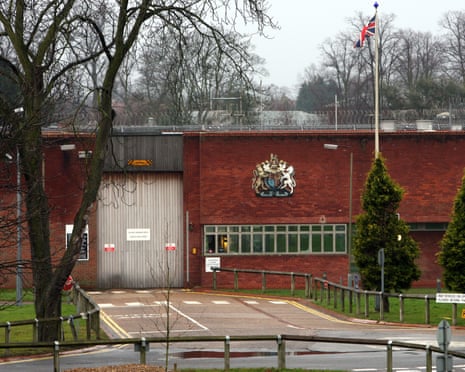
The prisons ombudsman and local police forces have begun preliminary investigations to establish a clear timeline of events leading up to the teenager's death. Investigators will be examining medical records, witness statements from staff and other detainees, and facility protocols to understand what transpired. This dual investigation approach ensures that both criminal and institutional accountability measures are properly addressed.
The significance of this death cannot be overstated, particularly given that it marks the first young person death in custody at an English or Welsh facility in several years. The previous incident in 2019 had also sparked widespread debate about the safety and welfare of teenagers held in state facilities. Such deaths are exceptionally rare occurrences, but when they do happen, they invariably lead to intense scrutiny of the institutions involved and broader questions about the youth justice system.
Feltham YOI has long been at the center of discussions about youth custody standards in the United Kingdom. The facility has previously been subject to official inspections and reports examining conditions, safety measures, and the welfare of young people in its care. These facility-wide reviews provide crucial information about staffing levels, mental health support services, and other critical factors that influence the safety and wellbeing of detainees.
The investigation process will likely include interviews with staff members who were on duty during the incident, as well as statements from other young people housed at the facility. Investigators will review security footage if available and examine any medical assessments or interventions that occurred prior to the teenager's death. This thorough approach is standard procedure for deaths in custody and helps establish whether any negligence or procedural failures contributed to the outcome.
The youth justice system in England and Wales has faced considerable scrutiny in recent years regarding conditions and safety standards. Child welfare advocates and criminal justice reform organizations have consistently raised concerns about overcrowding, inadequate mental health resources, and the effectiveness of rehabilitation programs. Deaths in custody, though rare, amplify these concerns and often trigger broader policy discussions at governmental levels.
Following the announcement of the investigation, various organizations and stakeholders have likely begun reviewing their own policies and procedures. Child welfare groups, prison reform advocates, and legal experts often monitor such incidents closely, as they frequently result in recommendations for systemic improvements. The outcome of this investigation may influence future safety protocols and staffing requirements across young offender institutions throughout the country.
The family of the teenager has undoubtedly been profoundly affected by this tragedy. Support services are typically made available to bereaved families following deaths in custody, including counseling services and legal representation to help them understand the investigation process. The emotional and psychological impact on fellow detainees and staff members at the facility will also require appropriate pastoral care and support mechanisms.
As the investigation continues, questions will inevitably arise about the preventative measures that could be implemented to avoid similar tragedies in the future. Mental health screening, suicide prevention protocols, medical emergency training for staff, and communication systems between facilities and external medical services will all likely be examined. These findings may contribute to broader conversations about reforming the youth justice system and improving standards across custodial facilities.
The rarity of deaths in youth offender institutions reflects the generally safe environments these facilities maintain, but it also underscores the critical importance of maintaining the highest possible standards of care and supervision. Every death in custody represents not only a tragic loss but also an opportunity for the system to learn and implement improvements that protect vulnerable young people in state care. The investigation outcomes will be closely followed by policy makers, advocacy organizations, and families with young people in the justice system.
Source: The Guardian


