
Teen's Cause of Death Released After Months of Legal Hold

Medical examiner reveals the cause of death for 14-year-old found in singer D4vd's vehicle, ending months of legal restrictions on case information.
Authorities have finally disclosed the cause of death for a 14-year-old whose body was discovered in the vehicle of musician D4vd, ending a prolonged period during which the information remained sealed from public knowledge. The medical examiner confirmed that the determination of the teenager's death had been completed months prior to the recent release, though legal constraints and ongoing investigative procedures prevented immediate disclosure to the public and media outlets.
The case surrounding the teen death has drawn significant attention from both local communities and national media coverage since the initial discovery of the body. The delay in releasing the cause of death information sparked considerable speculation and raised questions about the handling of the investigation and the transparency of official proceedings. Officials maintained that the withholding of details was necessary to preserve the integrity of their investigation and to avoid compromising potential evidence or witness testimony.
According to statements from the medical examiner's office, the autopsy findings had been documented and analyzed thoroughly during the intervening months. The extended timeline between the autopsy completion and the public release of findings underscores the complexity of cases involving minors and the various legal frameworks that govern the disclosure of sensitive investigative information. The medical examiner's report now provides clarity on the circumstances surrounding the teenager's death, though specific details remain subject to ongoing legal considerations.

The involvement of the musician D4vd in this case has intensified media scrutiny and public interest in the investigation's progression and outcomes. The discovery of the teen's body in the singer's vehicle raised immediate questions about the nature of their relationship and the circumstances that led to this tragic outcome. Law enforcement agencies have conducted extensive interviews and gathered substantial evidence as part of their comprehensive inquiry into the incident.
Representatives from the medical examiner's office explained that the delay in releasing cause of death determinations is standard protocol in cases where investigations remain active or where legal matters require confidentiality. The timing of information release must be carefully coordinated with prosecutors, law enforcement agencies, and other relevant parties to ensure that disclosure does not interfere with ongoing legal proceedings or judicial processes. This collaborative approach, while sometimes frustrating to the public and media, serves important functions in the criminal justice system.
The family of the deceased teenager has been provided with the autopsy results and medical findings prior to their public release, allowing them time to process the information privately and prepare for increased media attention. Family statements have emphasized their desire for a thorough and fair investigation that honors the memory of their loved one and seeks justice if criminal conduct played a role in the death. The combination of personal tragedy and public scrutiny has made this situation particularly challenging for everyone involved.

The investigation into the death has involved multiple agencies and specialized units within law enforcement, including homicide detectives and forensic specialists. Their collaborative efforts have generated a comprehensive body of evidence and witness statements that inform both the medical examiner's findings and ongoing prosecutorial decisions. The complexity of the case required sustained attention to detail and methodical examination of all available evidence.
Community responses to the case have been varied, with many expressing both sympathy for the deceased teenager's family and curiosity about the final determination of cause of death. Public forums and social media platforms have generated considerable discussion and speculation throughout the months of investigation and information withholding. Now that official information has been released, community members and advocates have renewed their focus on understanding the full circumstances of this tragic incident.
Legal experts have noted that cause of death determinations in cases involving potential criminal conduct can become subject to various legal holds and restrictions depending on the jurisdiction and the nature of the allegations under investigation. The balance between public transparency and investigative necessity presents ongoing challenges for officials responsible for maintaining both accountability and investigative integrity. The eventual release of information in this case reflects the conclusion of these competing considerations in favor of public disclosure.
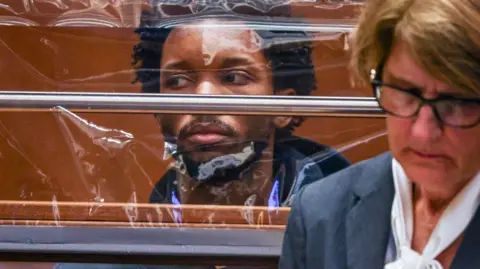
Moving forward, attention will likely shift toward any potential criminal charges or legal proceedings that may result from the findings documented in the medical examiner's report. Prosecutors will evaluate the autopsy results alongside other evidence collected during the investigation to determine appropriate next steps in the justice process. The publicly released cause of death information provides a crucial foundation for these subsequent legal determinations and potential court proceedings.
The case underscores broader questions about the handling of sensitive investigations involving minors and the protocols that guide the release of medical and investigative information to the public. Different jurisdictions maintain varying standards and timelines for disclosure, reflecting different regulatory frameworks and legal traditions. This particular case has renewed discussions about optimal approaches to balancing transparency with investigative necessity in high-profile incidents.
Source: BBC News


