
Teen's Chickenpox Scars Transform Into Rare Keloid Growths

A 15-year-old in Nepal developed an extremely rare condition called eruptive keloids after chickenpox, with five large rubbery nodules emerging from her scars.
For most people, chickenpox represents a painful but temporary childhood affliction. The infamous itchy rash progresses through a well-known cycle: raised papules emerge across the skin, which then fill with fluid to become characteristic blisters. Parents resort to creative measures to prevent scratching, from oven mitts to oatmeal baths, all in an attempt to ease the discomfort during the infection's course. Eventually, the blisters rupture and leak their fluid, leaving behind crusty scabs that slowly fade into memory. Yet in a remarkable case documented in medical literature, one teenager's battle with chickenpox took an extraordinary and distressing turn that extended far beyond the typical recovery period.
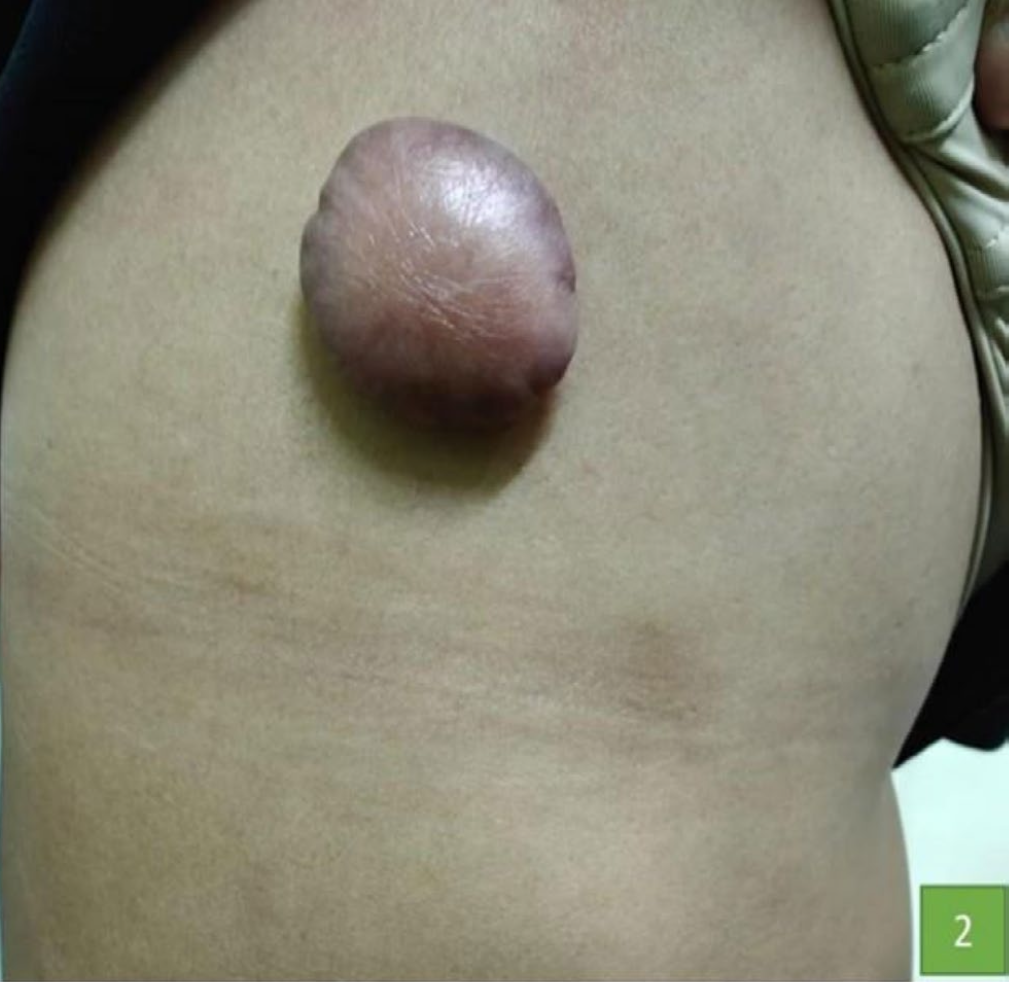
A 15-year-old patient in Nepal experienced an unusual complication that transformed her chickenpox scars into something far more troubling and permanent. After her initial blisters healed and scabs formed over the damaged skin, these normally benign marks began to undergo a dramatic metamorphosis. Rather than fading naturally as they should have, the scarred tissue started to proliferate uncontrollably, developing into large, rubbery growths that were both painful and intensely itchy. These abnormal skin formations became sources of significant physical and psychological distress, with the largest growth on her chest reaching approximately 4 by 4 centimeters—roughly 1.6 inches on each side.
The scientific term for these unusual skin growths is keloids, which represent a fascinating and poorly understood phenomenon in dermatology. Keloids form when the body's natural wound-healing process malfunctions, causing the growth of scar tissue to extend well beyond the original boundaries of the injury or infection site. What makes this particular case so medically significant is that the patient developed multiple keloids simultaneously across different regions of her body, a pattern that medical professionals call eruptive keloids. These growths appeared on her right jaw, across her chest, along her abdomen, and on her right flank, suggesting a systemic response to the chickenpox infection that triggered abnormal skin growth patterns.
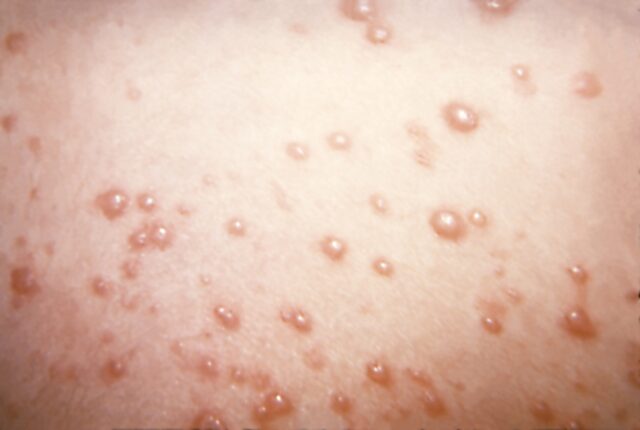
The rarity of this condition cannot be overstated in the medical community. After conducting comprehensive searches through scientific literature, researchers have identified only five documented cases of eruptive keloids following chickenpox infection. This extreme scarcity means that medical professionals rarely encounter such presentations and often lack established treatment protocols. The simultaneous emergence of multiple keloids from chickenpox scars represents an exceptionally uncommon manifestation of post-infection complications, making this teenage patient's experience a noteworthy addition to the limited body of medical knowledge on this phenomenon.
Understanding how chickenpox typically progresses helps contextualize why this case proved so unusual. The varicella-zoster virus, responsible for chickenpox, triggers a predictable inflammatory response as it infects skin cells. The characteristic fluid-filled blisters represent the body's inflammatory reaction to viral replication within skin tissue. As the immune system fights the infection, these blisters eventually rupture, and the body begins the healing process, typically without complications. In the vast majority of cases, chickenpox scarring either resolves completely or leaves only minor marks that fade over time as collagen remodeling naturally occurs.
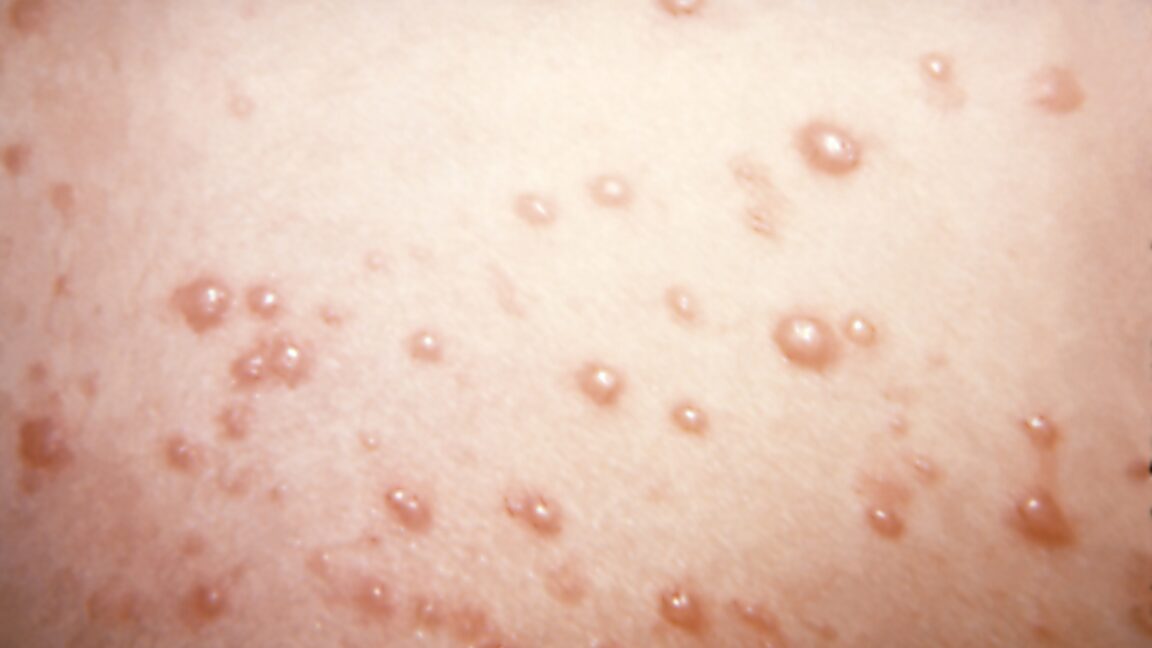
Keloid formation itself is not entirely uncommon in dermatology, though it remains somewhat mysterious. These growths occur more frequently in certain populations, particularly those with darker skin tones, and can develop after various types of skin injury, including acne, surgical wounds, piercings, and tattoos. What distinguishes keloids from normal scar tissue is their aggressive growth pattern and their tendency to continue expanding over time. The biological mechanisms driving this aberrant wound healing remain incompletely understood, though researchers have identified genetic predisposition, elevated growth factor expression, and altered inflammatory responses as contributing factors.
The emergence of multiple keloids from a single infectious event like chickenpox is what makes this case particularly perplexing to the medical establishment. Most patients who develop keloids do so from individual wounds or injuries, not from widespread infections affecting large areas of skin. The fact that this teenager developed five distinct keloid growths in response to her chickenpox infection suggests either an unusually strong genetic predisposition to abnormal scarring or a unique interaction between the varicella-zoster virus and her particular immune response. Researchers continue to debate whether certain viral infections might trigger systemic changes in wound healing biology that predispose to keloid formation.
The psychological impact of developing permanent, visible growths as a teenager cannot be understated. Beyond the physical discomfort of itching and pain, keloid scarring carries significant cosmetic implications, particularly when growths appear on visible areas like the face, chest, and abdomen. The patient's experience highlights the broader challenge of managing keloids, as treatment options remain limited and often unpredictable. Available interventions include intralesional steroid injections, surgical removal (though keloids frequently recur after excision), laser therapy, and pressure garments, yet no single approach guarantees success for all patients.
The documentation of this case in medical literature serves an important purpose for the global healthcare community. By publishing detailed accounts of rare complications like eruptive keloids, researchers contribute to the collective knowledge base that helps future clinicians recognize similar presentations. This particular case adds valuable data to the extremely limited scientific record of chickenpox-associated keloid development, potentially informing treatment decisions for future patients who might develop similar complications. The systematic study of rare conditions helps advance medical understanding even when those conditions affect only a handful of individuals worldwide.
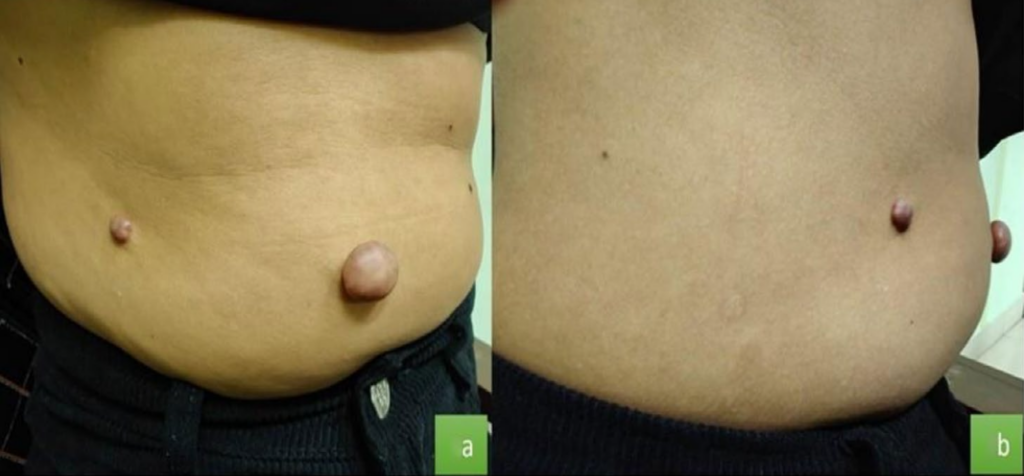
Going forward, this case raises important questions for dermatologists and infectious disease specialists about the relationship between viral infections and abnormal wound healing. Should patients with known genetic predisposition to keloids receive special monitoring after chickenpox infection? Are there preventive measures that could reduce the risk of keloid development following varicella-zoster infection? These questions lack clear answers currently, but systematic collection and analysis of rare cases like this teenager's experience may eventually illuminate the underlying mechanisms. As medical science continues evolving, understanding these exceptional presentations becomes increasingly valuable for improving patient outcomes and quality of life.
Source: Ars Technica

