
Tehran's Economic Crisis: War Fears Shadow Daily Life

BBC correspondent reports from Iran's capital as economic turmoil and geopolitical tensions create uncertainty. Explore how Iranians cope amid financial strain.
The streets of Tehran present a paradox that tells the story of modern Iran with striking clarity. On the surface, the bustling bazaars and crowded shopping districts appear vibrant and alive, filled with merchants hawking goods and pedestrians navigating the commercial landscape. Yet beneath this veneer of everyday commerce lies a profound sense of economic uncertainty that grips the nation, as citizens grapple with the harsh realities of currency instability, inflation, and dwindling purchasing power that has fundamentally altered their relationship with basic commerce.
The BBC's Lyse Doucet, reporting directly from Iran's capital city, captures the complex emotional landscape that defines contemporary Iranian life. Her on-the-ground reporting reveals how ordinary citizens navigate an increasingly challenging financial environment while simultaneously contending with rising geopolitical tensions that threaten to destabilize the entire region. The correspondent's insights illuminate the disconnect between the apparent normalcy of street-level activity and the deep-seated anxieties that permeate conversations in homes, offices, and gathering places throughout the city.
Economic hardship has become the defining feature of daily existence for many Tehrani residents, transforming even routine shopping trips into exercises in careful calculation and prioritization. The devaluation of Iran's currency has created a cascading effect throughout the economy, making imported goods prohibitively expensive and straining household budgets to unprecedented levels. Families who once enjoyed comfortable middle-class lifestyles now find themselves making difficult decisions about essential purchases, cutting back on non-necessities, and adjusting their expectations for the future.
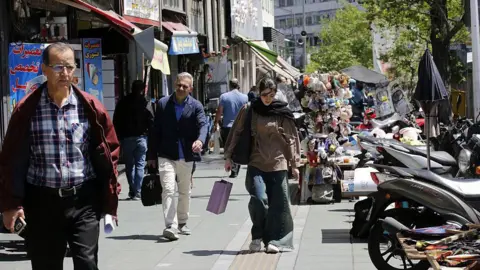
Beyond the immediate economic squeeze, the specter of renewed military conflict looms over every conversation and decision being made across Iranian society. Tensions with regional powers and the international community have intensified, creating an atmosphere of anticipatory dread among civilians who remember the devastating impact of previous wars. This military threat adds another layer of anxiety to an already strained population, forcing Iranians to consider not just their current financial survival but also the potential upheaval that armed conflict could bring to their fragile existence.
The contrast between the bustling commercial activity and the underlying fear creates a complex social dynamic that pervades Tehran's urban environment. Shopkeepers continue their daily routines, vendors display their wares, and consumers move through markets with practiced efficiency, yet these activities are shadowed by conversations about currency fluctuations, job security, and the possibility of escalating conflict. This juxtaposition reflects the resilience of Iranian society while simultaneously highlighting the immense pressure that citizens face in simply maintaining their standard of living.
The financial squeeze has had particularly severe consequences for vulnerable populations, including pensioners living on fixed incomes, young people struggling to enter the job market, and small business owners watching their profit margins erode. The inflation crisis in Iran has outpaced wage growth dramatically, meaning that even employed individuals find themselves falling behind in their ability to afford basic necessities. Healthcare costs, educational expenses, and housing have all become subjects of intense financial stress for families attempting to plan their futures.
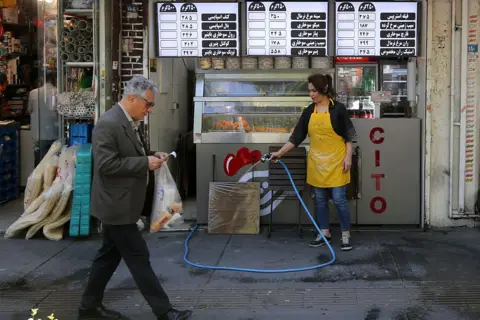
Doucet's reporting provides crucial context for understanding how international economic sanctions have contributed to Iran's financial deterioration and how these external pressures interact with domestic policy decisions to create the current crisis. The restrictions on Iran's ability to participate fully in global commerce have limited access to foreign currency earnings, particularly from oil exports, which have traditionally formed the backbone of government revenue. These structural economic challenges have proven remarkably difficult to resolve, as various proposed solutions become entangled in broader political disagreements about the country's direction.
The psychological impact of living under the shadow of potential conflict cannot be overstated, as it affects decision-making across all sectors of society. Parents contemplate whether to keep their children in school or send them abroad if opportunity arises. Entrepreneurs hesitate to make long-term investments in their businesses. Families defer major purchases, savings, and life planning until circumstances stabilize. This collective uncertainty creates a form of psychological toll that extends far beyond the mere numerical economic indicators that economists rely upon to measure national health.
Within Tehran's diverse neighborhoods, residents respond to these pressures in varied ways that reflect their different social positions and resources. Wealthier individuals may have access to foreign currency accounts or properties abroad that provide some insulation from domestic economic turbulence. Middle-class professionals navigate increasingly unstable employment markets while trying to maintain respectability and status. Poorer families make impossible choices about which needs can be deferred and which must be addressed immediately, knowing that the safety net provided by the state continues to fray.
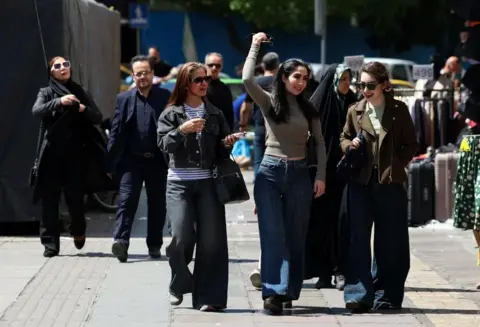
The social fabric of Iranian society continues to be tested by these simultaneous pressures of economic scarcity and security threat. Community bonds that have historically provided support during difficult times are themselves strained as competition for limited resources intensifies. Charitable organizations and informal support networks that have traditionally helped vulnerable populations are themselves struggling with reduced resources and increased demand. Despite these challenges, accounts from those within the country highlight the persistent resilience and adaptability that Iranians have demonstrated historically.
For young people particularly, the combination of limited economic opportunity and security concerns creates a powerful incentive to seek alternatives outside Iran's borders. Brain drain has become an increasingly significant concern for government officials and economists, as educated professionals emigrate in search of greater stability and opportunity. This exodus of human capital further constrains Iran's ability to develop economically and technologically, creating a self-reinforcing cycle of decline that compounds the difficulties faced by those who remain.
The reporting from Tehran serves as a powerful reminder that economic crises and security threats do not affect nations in abstract statistical terms but rather shape the lived experience of millions of individuals trying to maintain their dignity, care for their families, and plan for their futures. The daily struggles of ordinary Iranians, whether haggling in bazaars over prices that seem to change weekly or worrying about whether their savings will have meaningful value next month, represent the human dimension of what international observers often discuss in purely political or economic terms. Understanding Iran requires engaging with these human stories alongside the broader structural and political analysis.
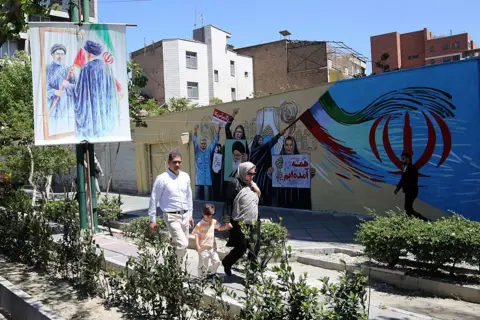
As Doucet's reporting makes clear, the situation in Tehran reflects the intersection of multiple crises—economic mismanagement and international isolation combining with regional security threats and the lingering trauma of past conflicts. This convergence of challenges has created a uniquely difficult environment in which ordinary citizens must find ways to survive and maintain hope. The resilience demonstrated by those navigating these circumstances offers insight into human capacity for adaptation, even as the underlying conditions that created these difficulties remain largely unresolved and continue to deteriorate in many measurable respects.
Source: BBC News


