
Tehran's Fragile Peace: Normality Masks Deep Uncertainty

Life returns to Tehran streets after ceasefire, but economic crisis and war fears loom large. Inflation could hit 70% as tensions simmer.
Following weeks of intense conflict, Tehran is experiencing a cautious return to everyday rhythms, yet the city's residents grapple with profound anxieties about economic stability and the possibility of renewed hostilities. The ceasefire between the US and Israel has created a window of relative calm, allowing citizens to reclaim public spaces and resume routines that were disrupted during the height of regional tensions. However, this appearance of normalcy masks deeper concerns that continue to weigh heavily on the Iranian psyche.
The streets of Tehran paint a picture of recuperation that surprises many international observers. Security checkpoints that once dotted the urban landscape have been dismantled, allowing for freer movement throughout the capital. Coffee shops have reopened their doors to enthusiastic patrons eager for social connection, while parks have transformed into vibrant gathering spaces where families enjoy picnics beneath the spring sky. Musicians have returned to street corners, filling public spaces with melodies that had been absent during the conflict. Traffic congestion has returned to Tehran's highways—a phenomenon that, while frustrating to motorists, signals the resumption of commercial activity and daily commuting patterns.
The metro system, which was made free to residents during the war as part of emergency measures, continues to operate at maximum capacity with passengers packed shoulder-to-shoulder during rush hours. This visible restoration of normalcy extends beyond transportation; restaurants are busy, shops are open, and the general atmosphere suggests that life has bounced back to pre-war conditions. Yet this veneer of stability represents only the surface layer of Tehran's current reality, concealing anxieties that run far deeper than the cheerful scenes on the streets suggest.
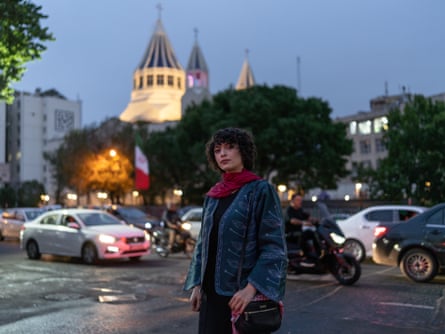
The fragility of the current situation became starkly apparent on Monday when fresh military attacks erupted in the Persian Gulf, with both the United States and Iran launching coordinated strikes that demonstrated how quickly the situation could deteriorate. These incidents underscore the reality that the ceasefire, while providing temporary relief, remains precarious and vulnerable to collapse. The ongoing blockade of the Strait of Hormuz by both sides continues to destabilize international shipping routes and threatens global energy supplies, creating an environment of perpetual tension that could ignite into open conflict without warning.
Many Iranian citizens have expressed privately to journalists and international observers their deep-seated fear that warfare could resume at any moment, potentially with even greater intensity than before. This psychological burden colors daily life in ways that statistics cannot fully capture. Parents worry about their children's safety, businesses hesitate to make long-term investments, and families are reluctant to make major life decisions when the future remains so uncertain. The constant awareness that peace is temporary rather than permanent creates a background anxiety that permeates Iranian society.
Beyond the military concerns, the economic devastation wrought by the conflict has created a parallel crisis that may prove even more destabilizing than military threats. The Iranian economy has suffered severe damage from the prolonged conflict, with unemployment rising sharply as businesses that shuttered during the war have been unable to fully reopen. Workers across multiple sectors have lost their jobs, and the social safety net has been strained to its breaking point as government resources that would normally support economic development have been redirected to military and humanitarian needs.
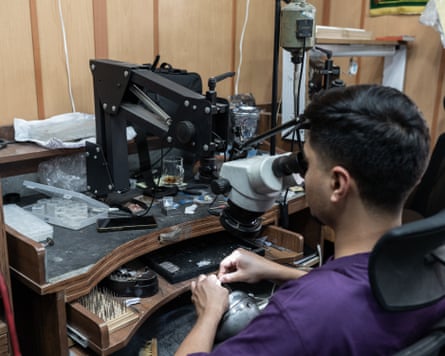
The inflationary spiral represents perhaps the most tangible economic threat facing ordinary Iranians. The International Monetary Fund has issued a sobering assessment, projecting that inflation could potentially reach 70% during the current year. This astronomical inflation rate would dramatically diminish the purchasing power of ordinary Iranians, particularly affecting vulnerable populations who spend most of their income on basic necessities like food, housing, and utilities. For context, when inflation reaches such levels, prices for essential goods can double or triple in the span of months, making it nearly impossible for low and middle-income families to maintain their standard of living.
The wage growth that has occurred since the ceasefire has been largely insufficient to keep pace with rising prices. Many employers, themselves struggling with wartime losses and uncertainty about future conditions, have been reluctant to grant substantial salary increases. This mismatch between wage growth and inflation creates a squeeze that is gradually eroding the economic position of workers across Iran. Savings that families accumulated over years or decades are being rapidly diminished by inflation, destroying long-term financial security for millions of people.
The currency depreciation has compounded these problems, making imports significantly more expensive and contributing to the inflationary pressures throughout the economy. Iran's reliance on certain imported goods and raw materials means that a weaker currency translates directly into higher consumer prices. Additionally, the depreciation makes it more difficult for Iranian businesses to operate competitively on the international stage, further constraining economic growth and job creation.
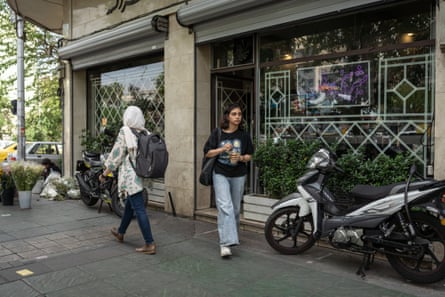
Businesses operating in Tehran face a particularly challenging environment as they navigate the transition from wartime to peacetime operations. Many establishments that were forced to close during the conflict face significant debt and have depleted their financial reserves. The decision of whether to fully reopen, expand operations, or simply maintain a minimal presence involves considerable risk when the possibility of renewed conflict remains genuine. This uncertainty translates into hesitant economic decision-making that slows the pace of recovery and job creation.
The humanitarian impact of the economic crisis extends beyond unemployment statistics and inflation rates. Families are making difficult choices about healthcare, education, and other essential services as their resources shrink. Students may be forced to abandon educational aspirations due to family financial pressures, perpetuating cycles of poverty and limiting Iran's long-term human capital development. Public health systems, already strained by conflict-related demands, face additional pressures as people delay medical treatment due to cost concerns.
The psychological toll of living under this combined burden—military uncertainty coupled with economic hardship—weighs heavily on the Iranian population. Mental health professionals report increased cases of anxiety, depression, and stress-related disorders as citizens struggle to process the trauma of conflict and uncertainty about their economic futures. The resilience that Iranians demonstrated during the active conflict is being tested anew by the grinding difficulties of economic hardship in a fragile peace.
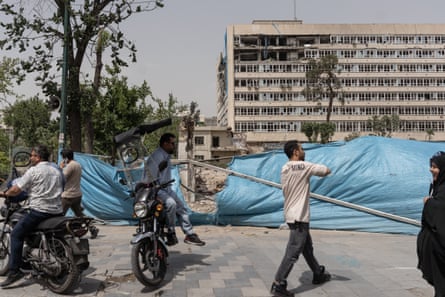
International observers note that Iran's current situation reflects a broader pattern in post-conflict societies where military peace does not automatically translate into psychological peace or economic recovery. The infrastructure damage from the conflict requires massive investment to repair, resources that Iran's struggling economy can ill afford. Reconstruction will likely be a multi-year process that demands international cooperation and significant capital investment, neither of which appears readily forthcoming given current geopolitical tensions.
As Tehran continues to maintain this delicate balance between the appearance of normalcy and the underlying reality of instability, the city's residents navigate daily life with a mixture of hope and apprehension. The return of bustling streets and open shops provides genuine relief and some restoration of quality of life, yet it cannot erase the awareness that this peace remains provisional. Until the underlying causes of conflict are addressed and economic recovery takes hold, Tehran will continue to exist in a state of liminal uncertainty—outwardly restored but fundamentally transformed by the experience of war and its lingering consequences.
Source: The Guardian


