
Tenerife Braces for Hantavirus Ship Arrival

Spanish island residents express concern as MV Hondius approaches Tenerife. Health officials address hantavirus fears amid mixed public reaction.
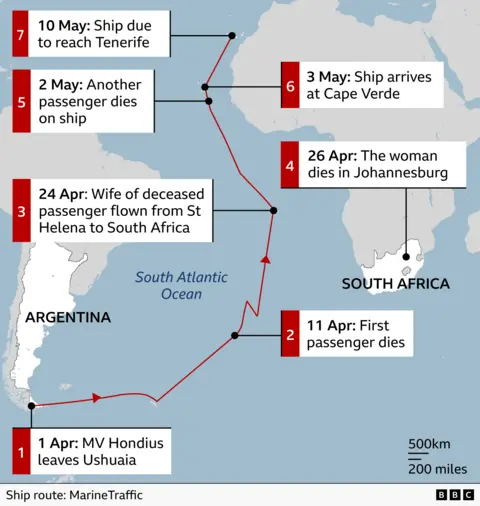
The Spanish island of Tenerife is experiencing mounting tension as the MV Hondius, a vessel connected to a hantavirus outbreak, prepares to arrive at local ports. Residents and local officials have expressed a complex mixture of emotions—ranging from genuine health concerns to reluctant acceptance of the ship's inevitable docking. The arrival of the cruise vessel has sparked significant debate among islanders about public health protocols and the adequacy of preventive measures being implemented.
The Hondius, which operated as a cruise ship carrying international passengers, became linked to a confirmed hantavirus case when one crew member tested positive for the virus. Hantavirus is a serious respiratory illness transmitted primarily through contact with infected rodent droppings, urine, or saliva. The disease can cause severe complications and has a mortality rate that concerns health officials worldwide. The confirmation of a case aboard the vessel immediately triggered heightened scrutiny and concern among Tenerife's population.
Public sentiment on the island reflects deep health anxiety about the incoming ship. Many residents have taken to social media and local forums to express their worries about potential contamination and the adequacy of quarantine procedures. Some islanders question whether authorities have implemented sufficiently rigorous cleaning and decontamination protocols. Others have voiced concerns about the ship's crew members being allowed to disembark and potentially spreading the virus within local communities.
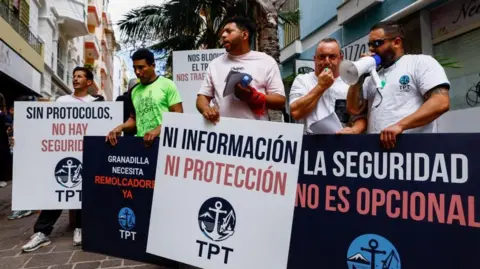
Local officials have attempted to manage public anxiety by releasing detailed information about the virus containment measures and safety protocols being put in place. Tenerife's regional health authorities have coordinated with Spanish national health agencies to establish comprehensive procedures for the ship's arrival. These measures include mandatory health screenings for all crew members, thorough disinfection of all ship areas, and isolation protocols for any individuals showing symptoms of illness.
Despite these assurances, a palpable sense of resignation has settled over certain communities on the island. Many residents acknowledge that preventing the ship's arrival may be legally or practically impossible, leading to a fatalistic acceptance of the situation. This resignation stems partly from the island's economic dependence on maritime trade and tourism, which creates pressure to maintain normal operations despite health concerns. Some islanders have expressed frustration with what they perceive as prioritizing economic interests over public health safety.
Health experts and officials continue to emphasize that hantavirus transmission requires direct contact with infected rodent materials or, in rare cases, contact with bodily fluids of infected individuals. Casual contact with an infected person does not typically transmit the virus, and standard hygiene practices provide significant protection. Nevertheless, public understanding of these scientific details remains inconsistent, leading to exaggerated fear in some quarters and dangerous complacency in others.

The situation has highlighted broader questions about how maritime authorities should handle health crises on cruise ships and commercial vessels. Tenerife's experience with the MV Hondius may serve as a case study for how port authorities, health agencies, and shipping companies coordinate during disease outbreaks. The incident underscores the need for clear communication, transparent protocols, and adequate resources to manage public health threats in an increasingly interconnected world.
Local authorities have established a dedicated information hotline and website to address resident concerns about the ship's arrival. Spanish health ministry representatives have conducted numerous press conferences to explain the situation, outline preventive measures, and attempt to reduce unnecessary panic. These communications efforts aim to balance transparency with reassurance, acknowledging legitimate concerns while providing factual information about actual risk levels.
The economic dimensions of this crisis cannot be overlooked. Tenerife's tourism and maritime industries are crucial components of the regional economy, and any disruption carries significant financial consequences. However, residents have also expressed concern that economic considerations might inadvertently compromise public health decisions. This tension between economic necessity and health protection remains a central issue in community discussions about the ship's arrival.
Healthcare facilities across Tenerife have been placed on heightened alert and are preparing to respond rapidly if additional hantavirus cases emerge. Hospitals have stockpiled necessary medical supplies and are ensuring that isolation wards are adequately prepared. Medical staff have received updated training on hantavirus identification, treatment protocols, and infection prevention procedures to ensure they can respond effectively if needed.
The psychological impact on the island's residents extends beyond rational assessment of health risks. Community anxiety about disease outbreaks taps into deeper fears about vulnerability and the limits of human control over environmental hazards. Some residents report anxiety and stress related to the situation, while others have organized community discussions to share information and support one another through the uncertainty. Mental health professionals on the island have noted increased inquiries from concerned residents seeking reassurance and guidance.
International attention on Tenerife's situation reflects broader global concerns about infectious diseases on transport vessels and in densely populated tourist destinations. Other Mediterranean and Caribbean islands have experienced similar situations, creating a shared sense of concern across maritime tourism regions. The way Tenerife manages this crisis may influence how other destinations prepare for and respond to similar health emergencies involving cruise ships and commercial vessels.
As the arrival date approaches, the island remains in a state of watchful anticipation. While anger and resignation coexist among residents, the dominant sentiment is one of cautious hope that proper protocols will prevent serious complications. The experience will ultimately test the resilience of public health systems, the effectiveness of crisis communication, and the ability of communities to respond collectively to emerging infectious disease threats in an increasingly globalized world.
Source: BBC News

