
Tenerife Prepares for Virus-Stricken Cruise Ship Arrival

Medical teams in Tenerife ready for MV Hondius docking following serious hantavirus outbreak aboard vessel. Latest updates on response.
Medical personnel and health officials in Tenerife are making extensive preparations for the imminent arrival of the MV Hondius, a cruise vessel currently dealing with a serious hantavirus outbreak that has claimed lives among its passengers and crew. The port authority and hospital systems across the Spanish island are coordinating a comprehensive response strategy to manage the affected individuals and prevent further disease transmission as the ship approaches its destination.
The hantavirus outbreak aboard the expedition cruise ship has emerged as a significant public health concern, with multiple confirmed cases and fatalities reported among those aboard. The virus, which can be transmitted through contact with infected rodent droppings or urine, has created an urgent situation requiring specialized medical intervention. Health authorities in Tenerife have been actively preparing isolation facilities and assembling teams of infectious disease specialists to handle the incoming patients.
According to reports from the scene, the port facilities in Tenerife are undergoing rapid preparation to accommodate the docking procedure safely. Medical staff are establishing quarantine protocols and ensuring that appropriate personal protective equipment is readily available for all personnel who will be involved in assisting the affected passengers and crew members. The coordination between local health services, port authorities, and maritime officials represents a critical component of the response effort.
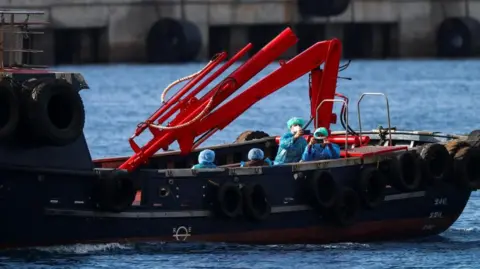
The MV Hondius vessel, which operates as an expedition cruise ship designed for remote destination travel, has found itself at the center of an evolving health crisis. The ship's passenger manifest included individuals from various international locations, which adds complexity to the public health response and contact tracing efforts. Medical crews have been monitoring affected individuals throughout their voyage while maintaining communication with authorities in Tenerife regarding the severity and progression of cases.
Hantavirus transmission occurs primarily through respiratory droplets or direct contact with infected materials, making containment and isolation procedures essential during the ship's arrival and subsequent medical interventions. The disease can develop into severe respiratory symptoms and requires intensive medical monitoring and supportive care. Health officials have emphasized the importance of rapid assessment and triage protocols to determine which patients require hospitalization versus those who can be managed in isolation facilities.
The Canary Islands regional health system has been mobilized to support Tenerife's capacity, with additional medical resources being allocated from surrounding facilities. Hospitals across the island are being placed on alert status, with dedicated units being prepared to receive and treat affected individuals. The coordination of this large-scale public health response demonstrates the importance of preparedness protocols for maritime health emergencies.

Port authorities in Tenerife have issued guidelines for the docking procedure that prioritize safety for both the ship's occupants and dock workers. The arrival will be conducted with heightened biosecurity measures, including restricted access to the vessel and designated pathways for medical personnel. All individuals disembarking will undergo health screening and assessment to determine appropriate care pathways and isolation requirements.
The situation highlights broader concerns about disease outbreaks in cruise ship environments, where passengers are in close quarters and international travel facilitates rapid disease spread. Maritime health regulations require ship operators to have medical facilities and trained personnel aboard, but severe outbreaks often necessitate intervention from port-based medical services. This case underscores the importance of rapid communication between ship operators, health authorities, and port facilities.
Health professionals in Tenerife are reviewing available data on the hantavirus cases to understand transmission patterns aboard the vessel. Initial investigations seek to identify the source of contamination and assess whether the outbreak occurred from a single event or developed over time through multiple exposure incidents. Understanding these epidemiological details is crucial for implementing effective containment measures and preventing secondary transmission in port facilities.

The psychological impact on passengers and crew members who have been confined aboard the ship during an active outbreak cannot be overlooked. Many individuals are experiencing stress and anxiety related to their health status and the uncertainty surrounding their situation. Mental health support services are being incorporated into the comprehensive response plan to address the emotional and psychological needs of affected individuals.
International maritime health organizations are monitoring the situation closely, as cruise ship outbreaks have the potential to become significant public health incidents. The MV Hondius arrival in Tenerife will serve as an important case study for evaluating response protocols and identifying areas for improvement in maritime health emergency management. Information gathered from this incident will likely inform future policy developments and preparedness measures across the cruise industry.
Medical teams have been briefed on the specific characteristics of hantavirus disease and the appropriate clinical management strategies. Ventilation systems in isolation wards have been checked and verified to meet biosafety standards. Staff training sessions have covered proper use of personal protective equipment, patient handling procedures, and decontamination protocols to ensure the safety of healthcare workers and prevent nosocomial transmission.
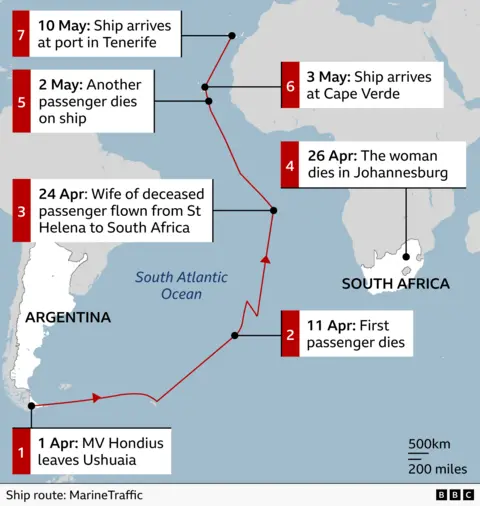
The arrival of the MV Hondius represents a test of Tenerife's public health infrastructure and emergency response capabilities. Successfully managing this situation will require seamless coordination between multiple agencies, clear communication with the public, and adherence to established medical protocols. The experience gained from this response will contribute valuable lessons to the broader field of maritime health emergency management and infectious disease containment.
Source: BBC News

