
Teotihuacán Gunman Had US Mass Shooting Materials

Mexican officials reveal gunman at Teotihuacán archaeological site carried materials linked to US mass shootings. Investigation ongoing.
Mexican law enforcement officials have revealed that the individual responsible for a shooting incident at the renowned Teotihuacán archaeological site near Mexico City was found to be in possession of materials directly related to mass shooting incidents in the United States. The discovery has raised significant concerns about the potential inspiration behind the violent act and has prompted deeper investigations into the suspect's background and motivations.
According to statements from Mexican authorities, the suspect had visited the ancient pyramid complex on multiple occasions prior to the shooting, suggesting a pattern of behavior that may have been building toward the violent incident. The repeated visits to the archaeological site, one of the most visited tourist destinations in Mexico and a UNESCO World Heritage Site, indicate the individual was not acting on a spontaneous impulse but rather had developed a deliberate plan over an extended period.
Preliminary investigations conducted by Mexican federal and local law enforcement agencies have concluded that the gunman appeared to act alone, with no evidence of coordination with other individuals or organized groups. This assessment was made after thorough examination of communications, financial records, and surveillance footage from the scene. The solitary nature of the attack has allowed investigators to focus their efforts on understanding the individual motivations rather than pursuing leads related to a larger conspiracy.
The materials related to mass shootings discovered in the suspect's possession have been forwarded to specialized forensic units for detailed analysis. These materials may include documents, digital files, or other evidence that could provide insight into how the suspect came to commit violence at such a historically and culturally significant location. Authorities have not disclosed the specific nature of the materials or the extent to which they may have influenced the suspect's actions.
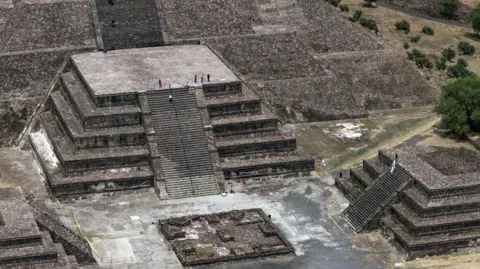
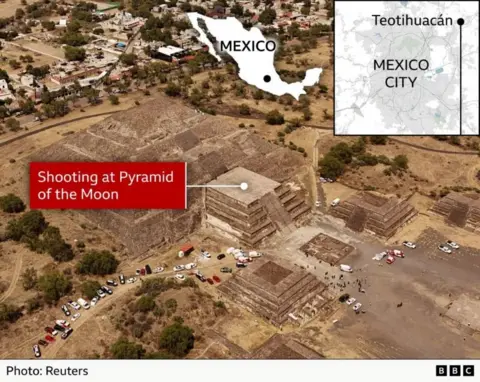
The incident at Teotihuacán, located approximately 50 kilometers northeast of Mexico City, has sent shockwaves through both the local and international community. The archaeological complex, famous for its massive pyramids including the Pyramid of the Sun and Pyramid of the Moon, attracts millions of visitors annually from around the world. The violence at this sacred site has raised serious questions about security measures at major tourist attractions in Mexico and the potential threat posed by individuals inspired by international extremist content.
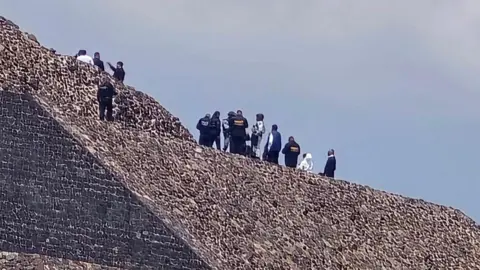
Mexican security forces have intensified their investigation into the shooting incident, examining surveillance systems throughout the archaeological park and conducting interviews with witnesses who were present during the event. Forensic teams have processed the crime scene meticulously to gather all available evidence. The cooperation between federal agencies, local police, and international partners has been coordinated to ensure a comprehensive understanding of the circumstances surrounding the violence.
Experts in extremism and violence prevention have noted that the presence of US mass shooting-related materials suggests potential radicalization through online platforms or media consumption. The internet has become a significant vector for the spread of violent ideologies and tactical information related to mass shooting incidents. Law enforcement agencies across the Western Hemisphere have expressed increasing concern about cross-border ideological transmission that could inspire copycat attacks in different countries.
The discovery has prompted Mexican officials to review security protocols at major archaeological sites and tourist destinations throughout the country. Discussions have begun regarding enhanced screening procedures, increased surveillance capabilities, and improved emergency response training for personnel working at these locations. The incident serves as a stark reminder of the vulnerability of open public spaces to acts of violence, regardless of their cultural or historical significance.
Authorities have appealed to the public for any additional information about the suspect's activities, associations, or communications that might have occurred before the shooting. This appeal has extended to individuals who may have observed suspicious behavior at the archaeological site during previous visits or who might have knowledge of the suspect's online activities. The collaborative approach to gathering information reflects the serious nature of the investigation and the commitment of Mexican law enforcement to prevent future incidents.
The Teotihuacán shooting incident represents a troubling development in Mexico's ongoing security challenges and raises broader questions about global violence transmission across international borders. While Mexico has struggled with cartel-related violence for decades, mass shooting incidents inspired by international extremist ideologies represent a newer and distinct threat. The convergence of these security challenges has created a complex landscape that requires coordinated responses from multiple law enforcement agencies and international partners.
Mental health professionals and security analysts are examining whether the suspect exhibited warning signs that could have been detected and addressed before the violent act occurred. Understanding the psychological profile of individuals who commit such attacks is crucial for developing prevention strategies. The investigation continues to explore all aspects of the suspect's history, including family circumstances, educational background, and any previous interactions with law enforcement or mental health services.
The incident has reignited discussions about the proliferation of violent content and extremist material on the internet, particularly concerning materials related to mass shooting tactics and ideologies. Social media platforms and online communities have become focal points for both law enforcement monitoring and public concern. Mexican officials have indicated that they may seek greater cooperation with international technology companies to address the spread of such content and to identify individuals who may be at risk of radicalization.
Moving forward, the investigation at Teotihuacán will likely serve as a case study for Mexican law enforcement agencies and international security experts seeking to understand and prevent mass shooting incidents in Latin America. The unique circumstances surrounding this event, including the cultural significance of the location and the apparent inspiration from US-based incidents, offer valuable lessons for security planning and threat assessment. As the investigation progresses, additional details are expected to emerge that will provide greater clarity regarding the motivations and planning that led to this tragic event at one of Mexico's most important cultural landmarks.
Source: BBC News


