
Tesla Cuts Cybertruck Prices by $15K to Boost Sales

Tesla dramatically reduces Cybertruck pricing with new $59,990 entry model and $15,000 cut to tri-motor Cyberbeast as company seeks to stimulate demand.
Tesla has implemented significant price reductions across its Cybertruck lineup in a strategic move to accelerate sales momentum for its polarizing electric pickup truck. The electric vehicle manufacturer announced sweeping changes to its pricing structure, with the flagship tri-motor "Cyberbeast" variant receiving a substantial $15,000 price cut, bringing its retail price down to $99,990. However, this reduction comes with important caveats, as Tesla has simultaneously removed several previously complimentary features, including unlimited Supercharging access and the company's controversial Full Self-Driving (FSD) capability. These adjustments represent Tesla's most aggressive pricing strategy yet for the stainless steel electric truck that has divided automotive enthusiasts since its unconventional debut.
The most notable addition to the Cybertruck lineup is an entirely new entry-level configuration priced at $59,990, featuring a dual-motor all-wheel-drive system that delivers impressive performance metrics. This new base model offers a substantial 325-mile driving range on a single charge and maintains the same rapid 4.1-second acceleration from 0 to 60 mph that characterizes the more expensive $79,990 premium all-wheel-drive variant. The introduction of this affordable option marks a significant departure from Tesla's previous approach and potentially opens the Cybertruck market to a broader range of consumers who were previously priced out of the electric pickup segment.
Industry analysts are characterizing the new entry-level model as an exceptionally competitive offering within Tesla's product ecosystem. The pricing strategy becomes even more compelling when viewed through the lens of Tesla's recent product history, as the company previously introduced and subsequently discontinued a single-motor rear-wheel-drive variant that struggled to gain traction in the marketplace at $69,990. That earlier model's commercial failure highlighted consumer preference for enhanced capability, making the current dual-motor offering at $10,000 less than the discontinued single-motor variant an attractive proposition for potential buyers.
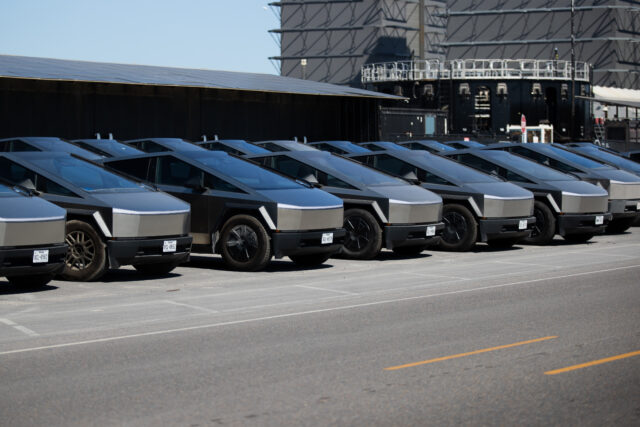
The new pricing structure positions the entry-level dual-motor Cybertruck at a price point that undercuts even Tesla's original projections for the rear-wheel-drive configuration. When the company first unveiled its pricing strategy for the base model, the rear-wheel-drive truck carried an advertised price that exceeded the current dual-motor offering, making the latest announcement particularly significant for consumers who have been monitoring Tesla's evolving pricing strategies. This aggressive positioning suggests Tesla's commitment to establishing a stronger foothold in the competitive electric pickup truck market.
However, Tesla's path to achieving these lower price points has required strategic compromises in certain capability areas. While the new entry-level model maintains the same impressive range and acceleration performance as its more expensive counterpart, the company has implemented reductions in key utility specifications that differentiate the models. The towing capacity for the base model has been decreased from the premium version's 11,000-pound rating to 7,000 pounds, representing a significant 36% reduction in pulling power that could influence purchasing decisions for customers requiring maximum towing capability.
Similarly, Tesla has adjusted the cargo capacity specifications to help achieve the lower price point for the entry-level variant. The new base model's payload capacity has been reduced from 2,500 pounds to 2,006 pounds, a decrease of nearly 500 pounds compared to the premium dual-motor configuration. These modifications in towing and cargo capacity reflect Tesla's strategy of creating meaningful differentiation between price tiers while maintaining the core performance characteristics that define the Cybertruck experience.
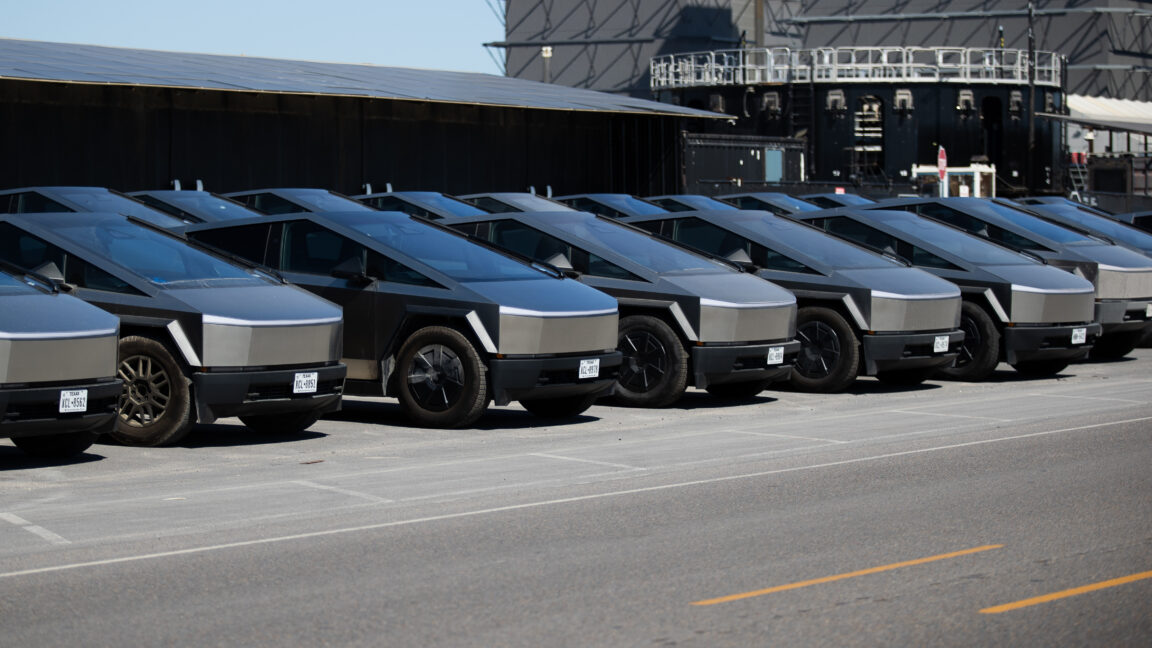
The timing of these price cuts appears strategically calculated as Tesla works to stimulate demand for its unconventional electric pickup truck. Since beginning deliveries, the Cybertruck has faced mixed market reception, with its distinctive angular design and stainless steel construction generating both passionate advocacy and skeptical resistance from potential customers. The vehicle's polarizing aesthetics, combined with its initially high pricing, may have limited its appeal to a narrower customer base than Tesla originally anticipated.
Tesla's decision to remove previously included features like unlimited Supercharging and FSD from the Cyberbeast pricing reflects broader industry trends toward unbundling premium services and features. The Full Self-Driving capability, which has been subject to ongoing regulatory scrutiny and performance investigations by the National Highway Traffic Safety Administration, represents a significant value proposition that Tesla can now monetize separately. This approach allows the company to lower headline prices while maintaining revenue opportunities through optional feature sales.
The competitive landscape for electric pickup trucks has intensified significantly since Tesla first announced the Cybertruck concept. Traditional automotive manufacturers including Ford with its F-150 Lightning, General Motors with upcoming electric Silverado variants, and startup companies like Rivian have established market presence with their own electric truck offerings. Tesla's aggressive pricing strategy appears designed to maintain competitive positioning against these established and emerging rivals.

Market analysts suggest that Tesla's pricing adjustments reflect broader challenges in the electric vehicle market, including increased competition, evolving consumer preferences, and the need to achieve greater production scale efficiencies. The company's ability to reduce prices while maintaining profitability will depend heavily on manufacturing optimization and supply chain improvements at its Austin, Texas production facility where Cybertrucks are assembled.
The introduction of the $59,990 entry-level model positions Tesla to compete more directly with traditional internal combustion pickup trucks in terms of pricing, potentially accelerating electric vehicle adoption among truck buyers who have been hesitant to make the transition. This price point brings the Cybertruck closer to mainstream pickup truck pricing while offering the operational cost advantages associated with electric propulsion, including lower fuel costs and reduced maintenance requirements.
Consumer response to Tesla's pricing strategy will likely influence the company's future product development and market positioning decisions. The success of the new entry-level model could validate Tesla's approach to creating tiered product offerings that balance performance, capability, and affordability. Conversely, continued market resistance could prompt further strategic adjustments as Tesla seeks to optimize its position in the rapidly evolving electric pickup truck segment.
Source: Ars Technica


