
Texas Tornado Kills One as Georgia Wildfires Intensify

A powerful tornado devastates northern Texas, killing at least one person. Extreme weather continues threatening millions across the US South and Midwest.
Severe weather patterns have unleashed a devastating combination of natural disasters across multiple regions of the United States, with a powerful tornado striking northern Texas on Saturday night and claiming at least one life, while wildfires continue to rage across parts of Georgia. This convergence of extreme weather events has created an unprecedented crisis situation, endangering millions of residents across the South and Midwest and prompting emergency officials to issue urgent warnings about conditions likely to persist in the coming days.
The Texas tornado made its violent descent into Wise County at approximately 10 p.m. on Saturday evening, leaving a path of destruction through multiple neighborhoods in the affected area. According to reports from county officials, the storm brought catastrophic damage to residential properties, infrastructure, and natural landscapes throughout the region. The tornado's intensity and rapid development caught many residents off guard, with limited warning time for those in its direct path.
Beyond the confirmed fatality, the tornado's impact extended to numerous individuals who required emergency medical attention. Emergency responders documented that six additional people were either treated at the scene or transported to medical facilities for treatment of injuries sustained during the storm. These injuries ranged in severity, with some individuals experiencing trauma-related wounds and others suffering from exposure-related conditions during and immediately after the tornado's passage.

The disaster unfolding across Texas represents just one component of a broader extreme weather crisis affecting vast portions of the American South and Midwest. Meteorological experts have indicated that atmospheric conditions remain primed for continued severe weather development throughout the region. The combination of warm, moist air masses and atmospheric instability has created an environment particularly conducive to the formation of severe thunderstorms and tornadoes.
Simultaneously, Georgia wildfires have established themselves as a significant threat across portions of the state, with multiple fires consuming vegetation and threatening communities. These wildfires, which have been exacerbated by dry conditions and elevated temperatures, continue to spread across the landscape despite efforts from firefighting personnel and emergency management agencies. The smoke from these fires has begun affecting air quality across wider regions, creating additional health concerns for residents in surrounding areas.
The conjunction of these weather events—tornado activity in Texas, wildfire conditions in Georgia, and broader severe weather potential across the South and Midwest—demonstrates the increasingly volatile nature of seasonal weather patterns in these regions. Climate and weather experts continue to monitor atmospheric conditions closely, with concern that the circumstances favoring severe weather development may persist throughout the coming days and weeks.
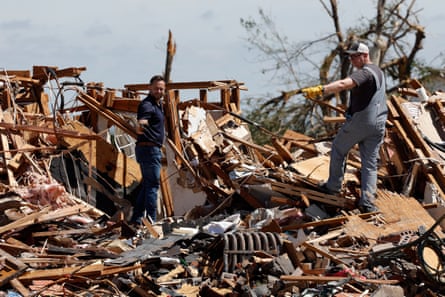
Emergency management agencies across affected states have activated disaster response protocols and mobilized resources to address immediate humanitarian needs. First responders continue working around the clock to search for additional survivors, assess damage, provide medical care, and begin recovery efforts in tornado-impacted areas. Simultaneously, firefighting crews are battling the Georgia wildfires, attempting to establish containment lines and protect threatened communities and structures.
The severe weather threat has prompted emergency officials to advise residents throughout the vulnerable regions to remain vigilant and prepared for rapidly developing storm conditions. Families are being encouraged to review emergency plans, ensure they have access to weather alerts and warnings, and understand their evacuation routes and shelter locations. Weather services have emphasized the importance of taking shelter immediately when tornado warnings are issued, as the little warning time available for tornado development leaves minimal opportunity for evacuation.
Power outages affecting thousands of residents across the impacted regions have compounded the challenges facing emergency responders and residents alike. The loss of electrical power has disrupted communications infrastructure, hindered medical facility operations, and left families without access to essential services during the crisis period. Utility companies have been working to restore power while navigating the dangerous conditions created by downed power lines and debris-strewn landscapes.
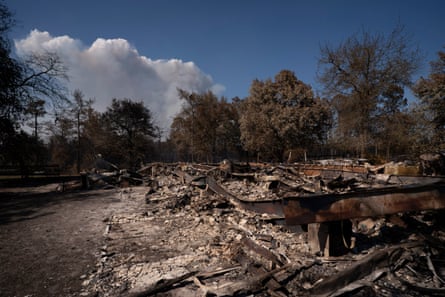
The disaster unfolding across these regions underscores the escalating impact of severe weather events on American communities and the critical importance of preparedness, early warning systems, and rapid emergency response. As conditions continue to develop, residents across the South and Midwest are being urged to maintain awareness of weather forecasts and warnings. Authorities emphasize that the coming hours and days may bring additional severe weather challenges, requiring sustained vigilance and preparedness from affected populations.
Source: The Guardian


