
Thailand's Sweet Revolution: Major Chains Cut Sugar Levels

Thailand's major beverage chains agree to reduce sugar content by half in popular drinks as part of nationwide health initiative, but street vendors remain exempt.
Thailand is embarking on an ambitious public health campaign targeting the excessive sugar content in the nation's beloved beverages, with major commercial chains committing to dramatically reduce sweetness levels. This groundbreaking initiative represents a significant shift in how one of Southeast Asia's most vibrant food cultures approaches sugar consumption and dietary health. The move comes as Thailand grapples with rising rates of diabetes and obesity, conditions directly linked to high sugar intake from traditional beverages.
The commitment from major beverage chains to halve their default sweetness levels marks a watershed moment in Thailand's ongoing battle against lifestyle-related diseases. This decision affects millions of daily transactions across the country, where sweet drinks are not just refreshments but cultural staples deeply embedded in Thai social life. The initiative demonstrates how commercial enterprises can play a pivotal role in promoting healthier drinking habits while maintaining the authentic flavors that define Thai beverage culture.
However, the implementation of these sugar reduction policies reveals a complex landscape where modern health initiatives intersect with traditional commerce. While large chains have the infrastructure and resources to adapt their recipes and training programs, the vast network of street vendors and independent cafes operates under different regulations. This creates a two-tiered system where consumer sugar intake depends significantly on where they choose to purchase their favorite beverages.
The scene at Auntie Nid's popular street stall perfectly illustrates the challenges facing Thailand's health drive. Surrounded by eager customers documenting her technique on smartphones, she demonstrates the traditional preparation of iced Thai tea that has remained unchanged for generations. The ritual begins with condensed milk cascading into a clear glass, followed by three generous tablespoons of granulated sugar, before the signature freshly strained tea transforms the mixture into its characteristic deep orange hue.
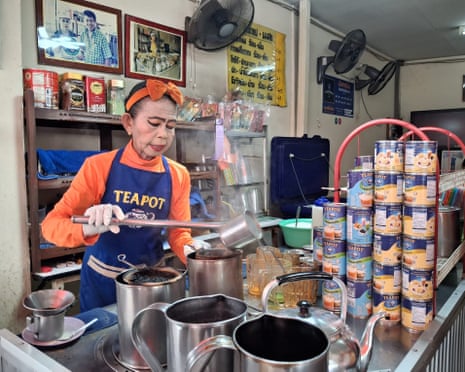
This traditional preparation method, culminating in the iconic presentation of creamy, orange-colored tea served in ice-filled plastic bags, represents more than just a beverage—it's a cultural artifact that connects modern Thailand to its culinary heritage. The visual spectacle of the preparation process, with its careful layering of ingredients and dramatic color transformation, has made these beverages social media sensations while simultaneously contributing to the country's sugar consumption crisis.
The exemption of street vendors and small cafes from the sugar tax regulations highlights the practical challenges of implementing comprehensive health policies in countries with large informal economies. These small-scale operators, who serve millions of customers daily and form the backbone of Thailand's famous street food culture, operate with minimal oversight and maximum flexibility in their ingredient choices and preparation methods.
Thailand's approach to reducing sugar consumption reflects broader global trends toward government intervention in public health nutrition. Countries worldwide are experimenting with various strategies, from taxation and labeling requirements to voluntary industry agreements, as they seek to address the growing burden of diet-related diseases. The Thai initiative combines regulatory pressure on large commercial operators with educational campaigns aimed at changing consumer preferences and expectations.
The health implications of Thailand's high sugar consumption are becoming increasingly apparent in national health statistics. Rising rates of Type 2 diabetes, particularly among younger demographics, have prompted health officials to identify sugary beverages as a primary intervention target. Traditional Thai drinks, while culturally significant and economically important, often contain sugar levels that far exceed international dietary recommendations, making them obvious candidates for reformulation.
The economic dimensions of this health initiative extend far beyond individual beverage sales. Thailand's food and beverage industry employs millions of workers and contributes significantly to both domestic consumption and international tourism appeal. Balancing health objectives with economic stability requires careful navigation of stakeholder interests, from large corporation shareholders to individual street vendors whose livelihoods depend on customer satisfaction and repeat business.
Consumer response to these changes will ultimately determine the success of Thailand's sugar reduction initiative. Early indicators suggest that while some customers initially notice the difference in sweetness levels, many adapt quickly to the modified recipes. The challenge lies in maintaining the authentic taste profiles that make Thai beverages distinctive while achieving meaningful reductions in overall sugar content across the population.
The implementation timeline for these changes varies significantly between different types of establishments. Major chains with standardized recipes and comprehensive staff training programs can implement changes relatively quickly and uniformly. In contrast, the informal sector's adaptation depends on individual vendor decisions, customer feedback, and gradually changing cultural norms around appropriate sweetness levels in traditional beverages.
Educational components of the health drive focus on raising awareness about the connection between daily beverage choices and long-term health outcomes. Public health campaigns emphasize that small changes in sugar consumption, when multiplied across millions of daily drink purchases, can have substantial population-level health impacts. These messages target both vendors and consumers, acknowledging that sustainable change requires cooperation from all stakeholders in the beverage ecosystem.
The international implications of Thailand's approach are being closely watched by other countries facing similar challenges with traditional high-sugar beverages and growing rates of diet-related diseases. The Thai model of combining industry agreements with selective taxation and public education could provide a template for other nations seeking to balance cultural preservation with public health imperatives.
Future developments in this initiative will likely include expanded monitoring of sugar consumption patterns, assessment of health outcome improvements, and potential extension of regulations to currently exempt small-scale operators. The success or failure of Thailand's current approach will inform policy decisions about whether voluntary industry cooperation is sufficient or whether more comprehensive regulatory frameworks are necessary to achieve meaningful public health improvements.
Source: The Guardian


