
Thames Water Secures Deal to Avoid Fines Until 2030

Thames Water reaches agreement with regulators to invest in infrastructure and avoid penalties for underperformance until 2030.
In a move to save the struggling utility from potential renationalization, Thames Water is reportedly close to securing a deal with its regulator, Ofwat, that would allow the company to avoid new fines for the next four years. The offer, put forward by the company's creditors, hinges on Thames Water committing to significant infrastructure investments to improve its performance.
The controversial arrangement, as reported by the Financial Times, aims to provide Thames Water with a temporary reprieve from the regulatory penalties it has faced in recent years due to issues such as water leaks and customer service failings. By agreeing to this deal, the utility hopes to stave off the possibility of being temporarily renationalized, a scenario that had been previously discussed as a potential outcome for the struggling company.
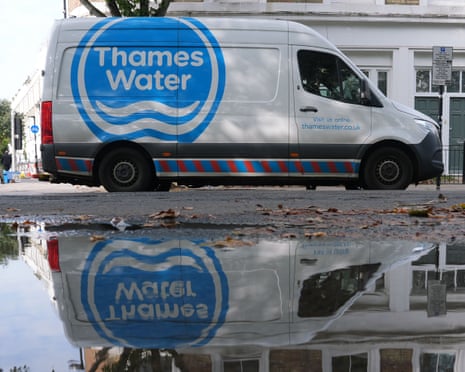
The proposed agreement would require Thames Water to invest heavily in its aging network and water treatment facilities, with the goal of improving the company's overall performance and service delivery to its customers. This commitment to investment is seen as a key component of the deal, as Ofwat and the government seek to ensure that the utility is taking concrete steps to address its longstanding issues.
The move comes as Thames Water has faced increasing scrutiny and criticism over its handling of various operational and environmental challenges. The company has been repeatedly fined by Ofwat for its poor customer service and failure to meet leakage reduction targets, leading to calls for more drastic measures to be taken to improve the utility's performance.
By securing this deal, Thames Water is hoping to buy itself time to implement the necessary infrastructure upgrades and operational improvements without the added pressure of facing new fines from Ofwat. However, the agreement is likely to be met with skepticism from some stakeholders, who may view it as a way for the company to avoid being held fully accountable for its past shortcomings.
The potential impact of this deal on Thames Water's customers and the broader water industry in the United Kingdom remains to be seen. As the utility works to address its issues, the focus will be on whether it can deliver on its investment commitments and ultimately improve the quality and reliability of the water services it provides.
Source: The Guardian


