
The Secret World of Orchid Breeding

Discover how orchid breeders spend a decade perfecting rare specimens using secretive hi-tech methods. Explore the lucrative business behind exotic flowers.
The world of orchid breeding represents one of horticulture's most exclusive and closely guarded industries, where passion meets proprietary science in carefully controlled environments. Behind the scenes of the glittering orchid shows and upscale botanical gardens lies a sophisticated operation that blends traditional cultivation techniques with cutting-edge biotechnology. Orchid breeders invest years—sometimes entire decades—of meticulous work to develop a single commercially viable variety, making their processes as valuable as the flowers themselves.
The journey from initial hybridization to market-ready orchid is extraordinarily complex and time-consuming. Most breeders guard their techniques with the kind of secrecy typically reserved for pharmaceutical companies or tech startups, understanding that a successful new variety can command extraordinary prices in the global marketplace. The combination of biological unpredictability, labor-intensive hand-pollination, and the need for precise environmental control makes orchid cultivation a uniquely demanding endeavor that separates casual enthusiasts from commercial professionals.
Creating a new orchid variety begins with careful selection of parent plants, often sourced from diverse geographic regions to introduce novel genetic traits. Breeders spend months or even years evaluating potential crosses, considering factors like flower size, color saturation, blooming duration, fragrance profiles, and overall plant vigor. This initial selection process requires deep horticultural knowledge and an almost intuitive understanding of how different genetic lineages might combine to produce exceptional results.
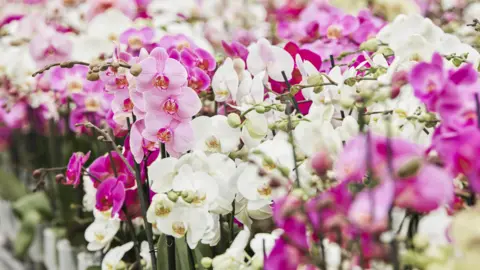
Once parent plants are selected, the actual pollination process can begin, though success rates remain frustratingly low and unpredictable. Breeders must manually transfer pollen between flowers using specialized techniques developed over generations, often relying on experience passed down through orchid-growing families or learned from mentors in the industry. A single successful cross might produce thousands of seedlings, yet only a fraction will develop into plants with commercially desirable characteristics, making the odds seem almost impossibly steep.
The germination and early growth stages of hybrid orchids present their own significant challenges. Unlike many plants, orchid seeds require specific fungal partners and extremely precise conditions to germinate, necessitating the use of hi-tech cultivation methods that breeders develop and refine over years of experimentation. Tissue culture technology and specialized seed-starting protocols have revolutionized the field, but each breeder tends to develop proprietary variations that they believe give their plants an advantage in vigor, disease resistance, or aesthetic qualities.
As seedlings develop, breeders must make critical decisions about which plants to retain and nurture toward maturity. This selection process, known as line breeding, involves culling thousands of specimens, keeping only those showing exceptional promise. Environmental conditions in the greenhouse must be meticulously maintained—temperature fluctuations, humidity levels, light intensity, and air circulation all play crucial roles in determining whether a plant will eventually produce the desired flowers.

The waiting period between initial crossing and first bloom can stretch across several years, during which breeders have no way of knowing whether their efforts will ultimately yield commercial success. Young orchid plants must be gradually acclimated to blooming conditions, a process that requires patience and expertise. Many plants may never bloom, or may finally flower only to reveal characteristics that disappoint the breeder's expectations, necessitating the abandonment of years of careful cultivation work.
When plants finally do bloom, breeders face another critical evaluation period. The flowers must be assessed for conformity to the intended aesthetic ideal—petal shape, color intensity, pattern characteristics, and overall balance all influence whether a variety warrants further development. Even at this advanced stage, most plants are culled, with only the very best examples selected for further propagation and commercialization efforts.
The economics of orchid breeding make the extended timelines and high failure rates manageable for successful breeders. A truly exceptional new orchid variety can command prices ranging from hundreds to thousands of dollars per plant during its initial release years. Specialty nurseries and collectors willing to pay premium prices for novel hybrids with rare colors, unprecedented sizes, or remarkable fragrance create a market that justifies the substantial investment required to bring new varieties to market.
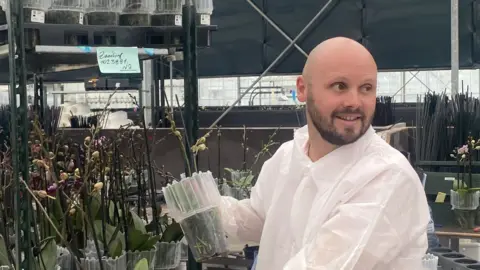
Top breeders operate sophisticated facilities equipped with computerized climate control systems, specialized lighting setups, and elaborate greenhouse complexes that represent significant capital investments. These advanced orchid growing facilities maintain precise conditions that would be impossible to achieve in traditional greenhouses, giving commercial breeders enormous advantages over amateur hobbyists. The infrastructure alone represents a barrier to entry that helps protect established breeders' market positions.
Intellectual property protection plays a surprisingly important role in the orchid breeding industry. Many countries recognize plant patents and plant variety protections that grant exclusive rights to propagate and sell newly developed varieties. Breeders jealously guard their crosses and often maintain strict control over who receives propagation material, using contracts and licensing arrangements to ensure they capture maximum value from their innovations.
The secrecy surrounding breeding programs extends beyond technical processes to include detailed records of successful crosses and their parentage. Many established breeding families have accumulated knowledge spanning decades or centuries about which genetic combinations are likely to produce superior results. This accumulated wisdom represents perhaps the most valuable asset these businesses possess, making information security a significant concern within the industry.

Global competition in the orchid breeding market has intensified significantly in recent decades as breeders in Asia, Europe, and North America all develop increasingly sophisticated programs. Major orchid nurseries invest substantial resources in research and development, recognizing that market leadership flows to those who can consistently introduce superior new varieties. This competitive pressure drives continuous innovation in both breeding techniques and cultivation methods.
The impact of climate change and environmental concerns has begun influencing breeding priorities in the industry. Breeders are increasingly focusing on creating varieties that are more resilient, require less water, and are more tolerant of varied environmental conditions. Additionally, there is growing interest in developing orchids that bloom more reliably for home growers, recognizing that the commercial success of these plants depends on consumer satisfaction and repeat purchases.
Despite the industry's secretive nature, orchid breeding remains a field driven by genuine passion and horticultural artistry. Many breeders describe their work as a form of creative expression, where they sculpt living organisms toward aesthetic ideals. The combination of scientific methodology, artistic vision, and entrepreneurial ambition creates a unique professional culture within what remains one of agriculture's most specialized and exclusive domains.
Source: BBC News


