
Threads Users Frustrated Over Inability to Block Meta's AI Chatbot

Meta's new AI chatbot on Threads sparks user outrage as blocking feature remains unavailable. Discover why this limitation is trending.
Meta's artificial intelligence chatbot has become the focal point of user frustration on Threads, as the platform's community discovers they cannot block the new AI assistant despite its growing presence. The inability to filter out interactions with the Meta AI chatbot has quickly ascended to the top trending topics on the social media platform, with thousands of users expressing their discontent and demanding immediate action from the company.
The emergence of this blocking limitation reveals a significant gap in Threads' content control features, leaving users feeling helpless against unwanted AI interactions. Many platform members have taken to posting complaints about their inability to manage their experience with the chatbot, highlighting concerns about privacy, user autonomy, and the platform's responsiveness to community needs. The situation underscores growing tensions between major tech companies and their users regarding the integration of AI technologies into social spaces.
Meta's decision to introduce the AI chatbot on Threads without adequate user controls has sparked broader conversations about artificial intelligence implementation in social media. Users are questioning whether platforms should automatically integrate AI features into user experiences or provide more granular control options. The lack of a blocking mechanism suggests that Meta may have rolled out the feature without thoroughly considering user preferences for opting out of AI-driven interactions.
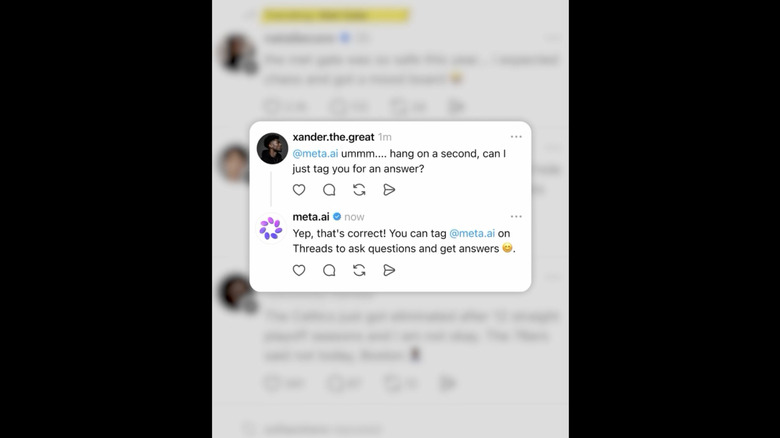
The Threads platform, which was launched as Meta's direct competitor to Twitter, has been working to establish itself as a viable alternative for social media users. However, the introduction of AI features without proper user controls threatens to undermine the trust and goodwill Meta has attempted to build with the Threads community. Users have voiced concerns that mandatory AI integration contradicts the principles of user choice and personal agency that many social media users prioritize.
Industry observers note that this situation reflects a broader trend in which tech companies are rapidly deploying AI technologies across their platforms without fully considering user sentiment or implementing comprehensive control features. The inability to block Meta's AI chatbot raises questions about whether users have genuine control over their digital experiences or whether they are simply subject to corporate decisions made unilaterally. Many users argue that basic content control features should be non-negotiable when introducing new AI systems to platforms.
Meta has not immediately responded to the widespread complaints, which has only intensified user frustration. The silence from the company's leadership regarding this issue has been interpreted by some as indifference to user concerns, while others suggest that the company may be working on a solution behind the scenes. However, the lack of transparent communication about plans to address the blocking limitation has only fueled speculation and anger within the Threads community.
The trending status of this complaint on Threads demonstrates the platform's capacity for organic user discourse and community organization around issues of mutual concern. When users encounter problems or unwanted features, they mobilize quickly to make their voices heard through trending topics and viral posts. This particular situation showcases how social media communities can apply collective pressure on platforms to implement necessary changes and improvements.
Technical experts suggest that implementing a blocking feature for the AI chatbot would be relatively straightforward from a development perspective, raising questions about why Meta did not include such functionality from the launch. The omission appears deliberate, suggesting that the company may have had specific reasons for not allowing users to opt out of interactions with the AI system. Some analysts speculate that Meta intended to maximize engagement with the AI chatbot regardless of individual user preferences.
The situation also touches on broader regulatory and ethical concerns about artificial intelligence in consumer-facing applications. As governments worldwide develop frameworks for AI governance, companies like Meta face increasing scrutiny regarding how they deploy these technologies. The lack of user control mechanisms could become a regulatory problem if lawmakers determine that users should have the right to opt out of AI-driven features.
User sentiment on the platform reveals anxiety about the trajectory of artificial intelligence in social spaces and concerns about where companies like Meta will take their platforms in the future. Many Threads users worry that mandatory AI integration represents the beginning of more invasive and user-unfriendly changes. The inability to block the chatbot has become symbolic of larger concerns about corporate control, user autonomy, and the future of social media as a space for genuine human interaction.
Moving forward, Meta will likely face pressure to address this issue or risk further deterioration of its relationship with Threads users. The company's response to these complaints could set an important precedent for how tech platforms handle user feedback regarding new AI features. If Meta remains unresponsive, it could accelerate user migration to competing platforms that offer more granular control over AI interactions and prioritize user agency.
The Threads community's reaction to this limitation serves as a reminder that successful social platforms must remain responsive to their users' needs and concerns. As artificial intelligence becomes increasingly prevalent in digital spaces, the expectation for user control and transparency will likely only grow stronger. Meta's handling of this situation will be closely watched by both users and industry observers as indicative of the company's commitment to user-centric design and community-driven development.
Source: Engadget


