
TikTok Launches In-App Travel Booking Feature

TikTok introduces integrated travel booking services, allowing users to book vacations directly within the app. Here's what you need to know.
TikTok is making vacation planning more convenient than ever by introducing in-app travel booking services that allow users to reserve their next getaway without leaving the platform. This strategic expansion represents a significant move into the travel and tourism sector, enabling the social media giant to capture more user engagement and spending within its ecosystem.
The new travel booking feature streamlines the entire vacation planning process by integrating travel options directly into the TikTok interface. Users can now browse flight options, hotel accommodations, and travel packages while scrolling through their content feeds, making the experience seamless and intuitive. This integration capitalizes on the platform's existing strength in discovery, where travel content creators have already built massive audiences by sharing destination guides, hotel reviews, and travel tips.
Industry analysts view this move as a logical extension of TikTok's ambitions to become a comprehensive lifestyle platform. The company has been gradually adding commerce features, including shopping and food delivery integrations, and travel booking integration fits perfectly into this expanding ecosystem. By allowing users to book travel experiences directly through the app, TikTok eliminates friction points that typically exist when transitioning between platforms.
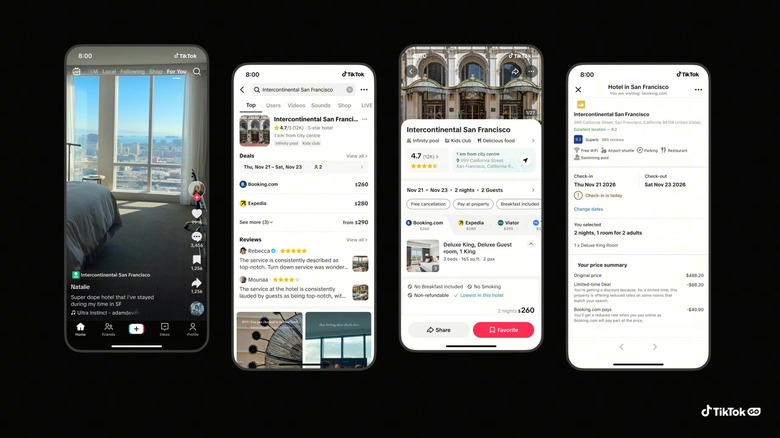
The implementation of these vacation booking services comes at a time when travel content has become one of the most popular categories on TikTok. Creators specializing in travel vlogging, destination reviews, and travel hacks have amassed billions of views, demonstrating that the platform's audience has a genuine interest in exploring new places. This makes the addition of booking capabilities a natural next step in monetizing that existing user interest.
TikTok's approach to in-app travel services differs from competitors by leveraging its unique content discovery algorithm. Rather than users searching for flights or hotels through traditional travel booking platforms, they can now discover travel inspiration through creator content and immediately convert that inspiration into bookings. This direct pathway from inspiration to purchase is designed to reduce booking abandonment rates and increase conversion rates.
The feature's integration with TikTok's existing infrastructure suggests the company has partnered with major travel providers and booking platforms to ensure comprehensive coverage. Users accessing the travel booking tool can compare multiple options for flights, accommodations, and tour packages, with prices and availability updated in real-time. The interface maintains TikTok's signature aesthetic while providing all the essential information travelers need to make informed decisions.
From a business perspective, this expansion into travel commerce could open new revenue streams for TikTok through commission-based partnerships with travel providers. Each booking completed through the platform generates potential revenue, while also increasing user engagement and time spent on the app. This dual benefit makes the feature attractive from both user experience and financial standpoints.
Travel industry experts note that TikTok's entry into booking services could disrupt the traditional travel booking market dominated by established players like Expedia, Booking.com, and Kayak. The platform's younger demographic and highly engaged user base represent an attractive target market for travel companies. Additionally, TikTok's algorithm can personalize travel recommendations based on user behavior and interests, potentially offering a superior user experience compared to traditional search-based booking platforms.
The rollout of these travel booking capabilities reflects broader trends in social commerce, where e-commerce functionality is being integrated directly into social media platforms. Instagram has expanded shopping features, YouTube has added commerce functionality, and now TikTok is expanding beyond traditional social media boundaries. This convergence suggests that the line between content consumption, social interaction, and commerce will continue to blur.
For content creators focused on travel, this feature creates additional opportunities for monetization. TikTok creators can now earn commissions or affiliate revenue when their followers book travel through links or features integrated into their content. This incentivizes creators to produce more travel content and builds a virtuous cycle of discovery and booking.
Privacy and data security considerations are likely to be important factors as users begin booking travel through the platform. TikTok has faced scrutiny regarding data handling practices, and introducing financial transactions through the app will intensify those discussions. The company will need to demonstrate robust security measures and transparent data practices to build user confidence in the booking feature.
Looking ahead, TikTok's travel booking innovation may serve as a template for future expansions into other e-commerce categories. If successful, the company could introduce similar in-app booking capabilities for concert tickets, restaurant reservations, or other experience-based purchases. The platform's content-first approach to commerce offers opportunities to reshape how consumers discover and purchase across multiple industries.
Users interested in exploring this new feature can find travel booking options integrated directly into TikTok's main interface. The rollout is expected to expand to more users and regions over time, though availability may vary based on location and partnership agreements with local travel providers. Early adoption of the feature will likely occur among TikTok's younger, more tech-savvy user base who regularly engage with travel content.
Source: Engadget


