
Tim Cook's Apple Legacy: 15 Years of Innovation

As Tim Cook steps down as Apple CEO, we examine the defining moments and transformations that shaped his 15-year tenure leading the tech giant.
Tim Cook's announcement this week marked a significant turning point for Apple, as the longtime CEO confirmed his departure from the position in September, with John Ternus, the company's senior vice president of Hardware Engineering and a veteran of 25 years at Apple, set to assume leadership. This transition represents one of the most anticipated executive changes in recent technology industry history, signaling the end of an era that fundamentally reshaped how Apple operates and competes in the global marketplace.
The leadership succession had been widely anticipated through a combination of industry reporting and strategic signals from Apple itself. Mark Gurman of Bloomberg, known for his deep connections within Apple's inner circles, identified Ternus as a leading candidate for the role back in May 2024, while The New York Times provided extensive coverage with a comprehensive profile earlier this year. Beyond media speculation, Apple itself telegraphed the shift through its recent product announcements, most notably when the company unveiled the MacBook Neo last month—a pivotal moment when Ternus delivered the keynote remarks rather than Cook, subtly signaling the transition of power within the organization.
Throughout Cook's 15-year tenure as Chief Executive Officer, which began when he officially took over from Steve Jobs in the summer of 2011, Apple has undergone a profound transformation that defies simple characterization. The company has shifted from an organization built on surprise and disruption toward one that prioritizes financial excellence, operational efficiency, and strategic market positioning. While some of Apple's ventures under Cook's leadership have encountered challenges or failed to meet expectations, the majority of the company's major products have achieved sustained excellence through methodical refinement and continuous improvement over extended periods.
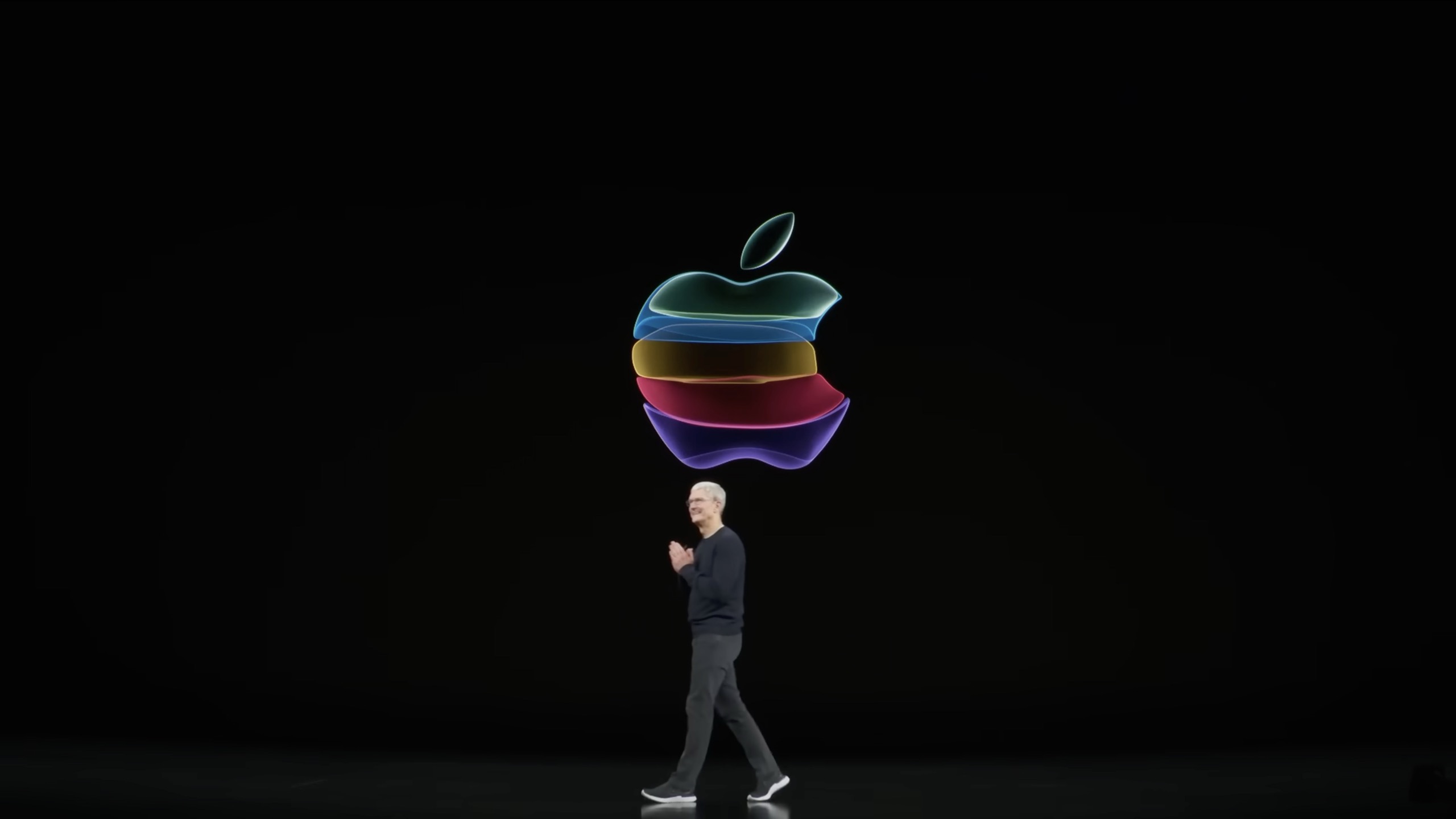
As someone who has covered Apple extensively across multiple media platforms during Cook's entire tenure as CEO, reflecting on his leadership reveals several defining characteristics that will likely dominate historical assessments of his time in charge. Cook inherited Apple at a moment of significant transition—Steve Jobs was gravely ill, and the company faced questions about its ability to maintain innovation momentum without its iconic founder. Cook faced skepticism from analysts and industry observers who questioned whether any successor could fill Jobs's shoes or maintain Apple's cultural identity and creative vision.
One of the most notable aspects of Cook's Apple has been its unwavering focus on financial performance and shareholder value. Under his leadership, Apple has become one of the most valuable publicly traded companies in the world, consistently breaking records for market capitalization and generating unprecedented revenue streams. This financial success has been built on a foundation of premium pricing, loyal customer bases, and ecosystem integration that keeps users within the Apple universe through interconnected devices and services. The company's Services division, in particular, has become increasingly important to Apple's overall financial health, representing a lucrative and growing segment of its business.
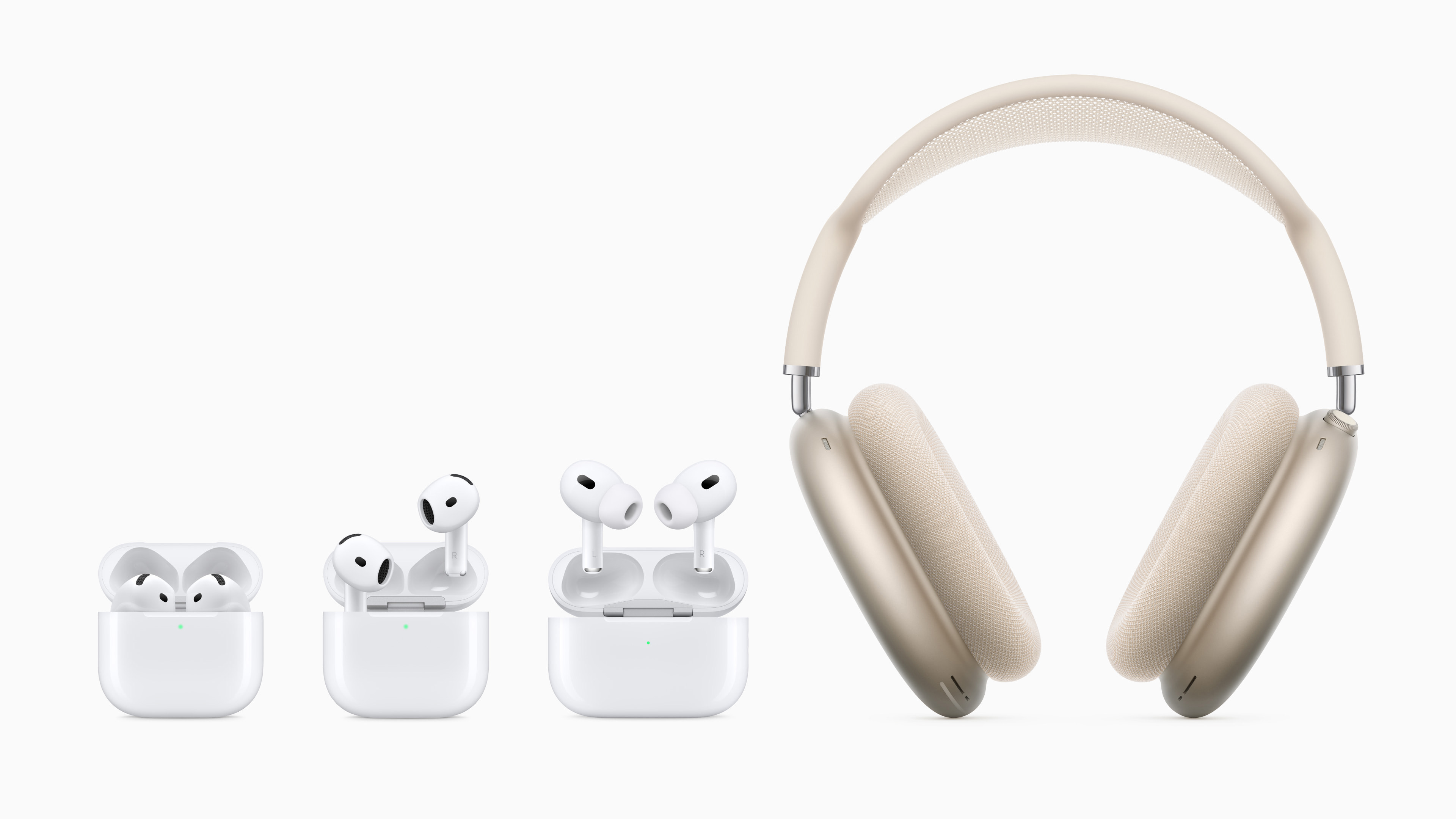
The innovation approach under Cook has differed markedly from Jobs's era. Where Jobs was known for bold, occasionally risky gambles—introducing products that seemed to come from nowhere and redefining entire categories—Cook has favored a more measured, evolutionary approach to product development. This strategy has involved taking existing product categories and refining them systematically over years, making incremental but meaningful improvements that accumulate into substantial enhancements. While this approach lacks the dramatic flair of revolutionary breakthroughs, it has proven remarkably effective at maintaining Apple's market position and customer satisfaction across multiple product lines.
Services have emerged as a critical pillar of Apple's business strategy during Cook's tenure, reflecting a fundamental shift in how the company generates revenue and builds customer loyalty. The Services division encompasses everything from Apple Music and iCloud to the App Store and AppleCare, creating multiple touchpoints for monetization beyond hardware sales. This diversification has insulated Apple from hardware market fluctuations and provided more predictable, recurring revenue streams that appeal to investors seeking stable, long-term growth. The emphasis on services has also deepened Apple's relationship with customers, creating network effects that make switching to competitors increasingly difficult and costly.
Another defining feature of Cook's leadership has been Apple's manufacturing excellence and supply chain optimization. Cook himself came to Apple with deep expertise in operations and logistics, and he has applied these skills to create one of the most efficient manufacturing and distribution networks in the global technology industry. This operational focus has allowed Apple to maintain high margins while managing the complexity of producing billions of devices annually across multiple product categories. The company's ability to coordinate manufacturing across dozens of suppliers and factories worldwide represents a competitive advantage that is difficult for rivals to replicate.
Environmental sustainability and corporate social responsibility have also become increasingly prominent during Cook's tenure, reflecting both his personal values and the evolving expectations of consumers and investors. Apple has made substantial commitments to reducing its carbon footprint, transitioning to renewable energy, and implementing comprehensive recycling programs for its products. The company has also focused on improving labor practices within its supply chain and has made commitments to various social causes. While critics argue that these initiatives sometimes function as much as marketing tools as genuine commitments to change, they have nonetheless shaped Apple's public image and corporate identity in meaningful ways.
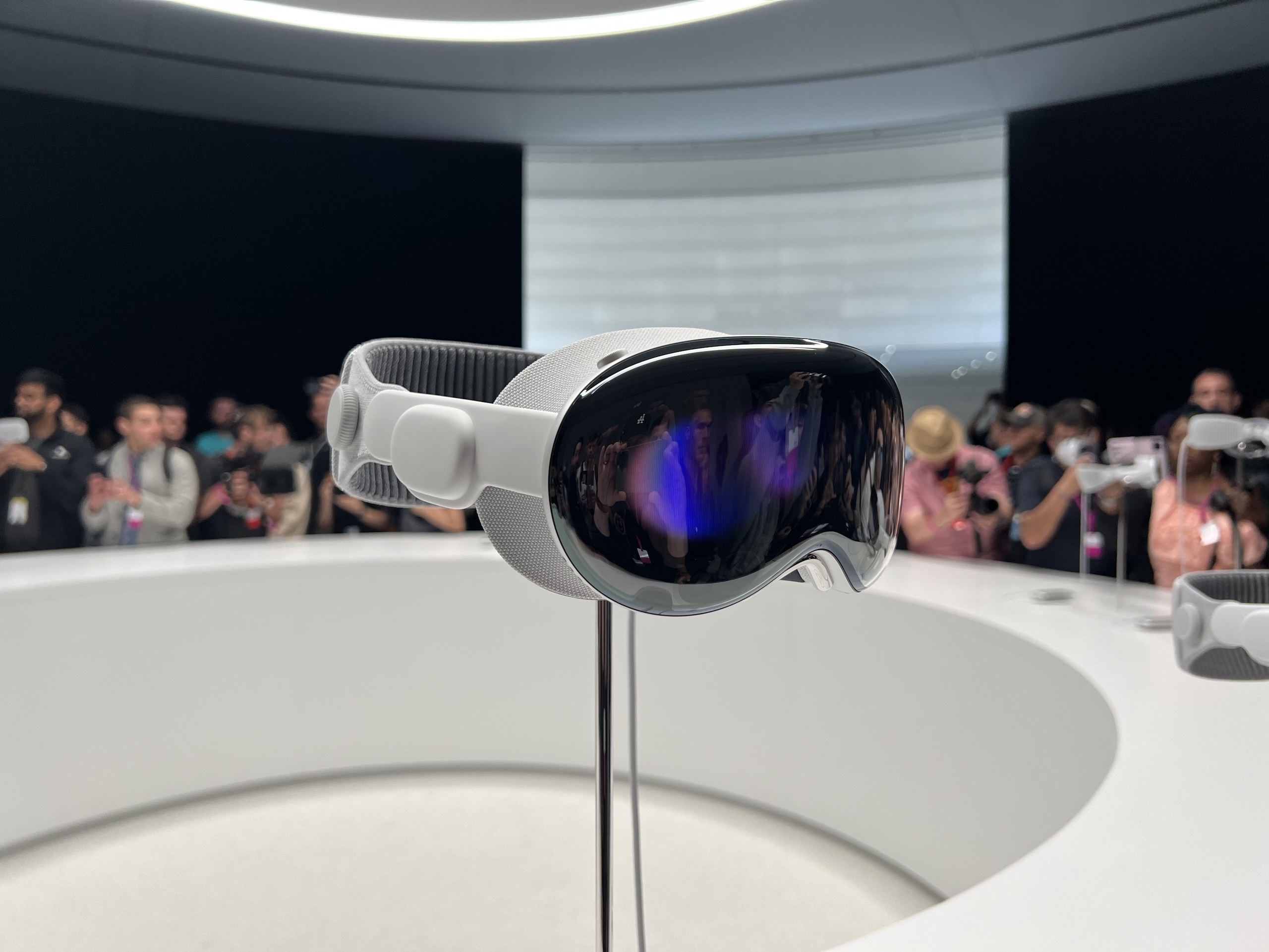
The product portfolio under Cook has been characterized by a focus on premium positioning and ecosystem integration rather than the pursuit of radical innovation. The iPhone, which remains Apple's financial engine, has been refined continuously but has not undergone fundamental reimagining. Similarly, products like the iPad and Mac have evolved incrementally, with new features and capabilities added methodically rather than through dramatic redesigns. This approach has generally been successful, as evidenced by strong sales figures and customer loyalty, though it has also invited criticism from those who feel Apple has become less adventurous and more focused on incremental refinement than breakthrough innovation.
Looking forward as John Ternus prepares to take the helm, the technology industry will be watching carefully to see whether the new leadership maintains Cook's strategic approach or charts a different course. Ternus brings deep experience in hardware engineering and product development, suggesting he may place greater emphasis on innovation in Apple's physical products. However, the organizational structures and strategic priorities established during Cook's 15 years at the helm will likely continue to influence Apple's direction for years to come, making his legacy an enduring force in shaping the company's future trajectory and competitive positioning in an increasingly complex global technology landscape.
Source: Ars Technica


