
Tokyo Airport Deploys Humanoid Robots for Baggage

Tokyo airport introduces humanoid robots as baggage handlers. Explore how advanced robotics are transforming airport operations and travel logistics.
In a groundbreaking move that brings science fiction closer to reality, Tokyo's airport operations are set to undergo a significant transformation with the introduction of humanoid robots designed to handle baggage operations. This ambitious initiative marks one of the most visible deployments of advanced robotic technology in a major transportation hub, signaling a broader shift toward automation in the aviation industry. The decision to implement these sophisticated machines represents a bold step forward in addressing labor challenges and improving operational efficiency at one of Asia's busiest airports.
The humanoid robot baggage handlers are engineered with cutting-edge artificial intelligence and mechanical precision to perform the demanding tasks traditionally handled by airport workers. These robots are equipped with advanced sensors, computer vision systems, and sophisticated gripping mechanisms that allow them to safely handle luggage of various sizes and weights. The technology behind these machines has been refined over years of research and development, combining insights from robotics experts, airport operations specialists, and engineers across multiple disciplines to create machines capable of working in the fast-paced airport environment.
Tokyo's airport authorities have carefully selected this particular location for deployment due to several strategic factors. The airport's modern infrastructure, existing technological capabilities, and willingness to embrace innovation make it an ideal testing ground for large-scale robotic implementation. Additionally, Tokyo has positioned itself as a global leader in robotics innovation, making this deployment particularly symbolic of Japan's commitment to advancing automation technology and maintaining its competitive edge in the tech industry.
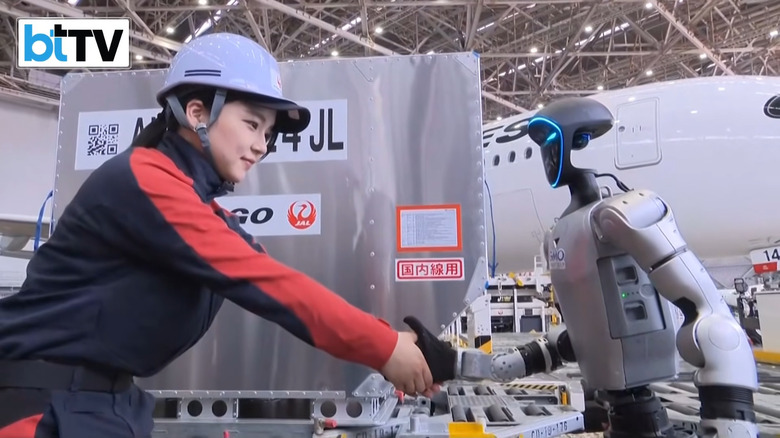
The implementation of these airport robots addresses several critical challenges facing modern aviation infrastructure. Japan's aging workforce and declining birth rate have created significant labor shortages in physically demanding positions like baggage handling. By introducing humanoid robots, the airport aims to maintain service quality while reducing dependence on manual labor in roles that are often considered difficult, repetitive, and physically taxing. This solution allows human workers to transition into supervisory, maintenance, and customer service roles that require interpersonal skills and complex decision-making.
From an operational perspective, the robotic baggage handlers promise numerous advantages over traditional human workforces. These machines can work continuously without fatigue, illness, or scheduling conflicts, potentially increasing throughput during peak travel periods. They operate with consistent precision, reducing the risk of luggage damage that sometimes occurs during manual handling. Furthermore, the robots can be programmed to follow strict safety protocols and are equipped with collision detection systems to prevent accidents in the busy baggage handling areas where multiple operations occur simultaneously.
The technological specifications of these humanoid robots are impressive and worthy of detailed examination. Each unit features multiple articulated joints that mimic human movement patterns, allowing for natural and efficient motion through airport facilities. The robots are equipped with sophisticated cameras and LIDAR sensors that provide comprehensive situational awareness, enabling them to navigate crowded baggage handling areas while avoiding obstacles and other equipment. Their gripping systems are calibrated to handle everything from delicate luggage to heavy suitcases, with pressure sensors ensuring items aren't damaged during transport.
Safety considerations have been paramount in the development and deployment strategy for these airport automation systems. The robots are designed with multiple redundancy features, meaning critical systems have backup components to ensure reliable operation even if primary systems fail. Emergency stop mechanisms are integrated throughout the baggage handling areas, allowing human operators to immediately halt robot operations if necessary. The robots also feature advanced communication systems that allow them to coordinate with human staff and other automated systems, creating a seamless integration of human and machine capabilities.
The broader implications of this deployment extend far beyond Tokyo's airport operations. This initiative represents a significant moment in the global adoption of humanoid robots for commercial purposes. Other major airports worldwide are likely observing this project closely, considering similar implementations for their own facilities. The success or challenges experienced at Tokyo airport will provide valuable data and insights that will inform future robotic deployments in transportation hubs, warehouses, and other logistics facilities across the globe.
From an economic standpoint, the investment in robotic technology requires substantial capital expenditure, but airport authorities project long-term cost savings through reduced labor expenses, improved efficiency, and decreased operational disruptions. The robots' ability to work during off-peak hours and handle surge capacity during busy travel seasons could translate to improved customer experience and higher profitability for airport operations. Additionally, the technology creates new employment opportunities in robot maintenance, programming, and system management, representing a shift rather than simply a loss of jobs.
Training and integration of these machines into existing airport operations has required comprehensive planning and staff preparation. Airport employees have undergone training programs to understand how to work effectively alongside the humanoid robots, how to perform maintenance tasks, and how to manage situations where human intervention becomes necessary. This human-machine collaboration model is expected to become increasingly common across various industries as robotic technology continues to advance and integrate into mainstream operations.
The deployment also raises important questions about the future of work in transportation and logistics sectors. Labor unions and worker advocacy groups have expressed mixed reactions, with some viewing robot baggage handlers as a threat to employment while others recognize the potential for workers to transition into higher-skilled, better-compensated positions. This shift reflects broader societal conversations about automation, employment, and the evolving nature of work in an increasingly technological world.
Looking ahead, Tokyo airport's humanoid robot initiative could serve as a template for other facilities seeking to modernize operations. The project will generate valuable data regarding robot performance, reliability, maintenance requirements, and operational challenges that will inform future deployments. Feedback from airport staff, passengers, and management will be crucial in refining the technology and implementation strategies for broader adoption across the aviation industry.
The introduction of humanoid robots at Tokyo airport ultimately represents a convergence of necessity, technological capability, and strategic vision. As airports worldwide grapple with labor challenges, rising operational costs, and pressure to improve efficiency, solutions like these robotic baggage handlers offer compelling possibilities. While questions and concerns remain about the broader societal implications of automation, there's no denying that Tokyo airport's decision to embrace this technology marks a significant milestone in the practical application of advanced robotics in real-world commercial environments. The coming months and years will reveal whether this bold experiment achieves its operational objectives and potentially becomes a blueprint for airports globally seeking to modernize their baggage handling and logistics operations.
Source: Engadget


