
Tokyo Officials Ditch Suits for Shorts to Cut Energy Costs

Tokyo's metropolitan government encourages public servants to wear shorts this summer to reduce air conditioning use and combat rising electricity costs amid global energy concerns.
In a bold move to address mounting energy costs and oppressive summer temperatures, officials working for the Tokyo metropolitan government are being encouraged to embrace a more casual dress code by swapping traditional business suits for shorts during the warmer months. This initiative represents a significant cultural shift in Japan's typically formal workplace environment, where business attire has long been considered a cornerstone of professional conduct and corporate identity.
The campaign draws direct inspiration from Japan's established Cool Biz energy-saving initiative, a program that has been successfully implemented across various organizations in the country for years. By promoting less formal clothing options, Tokyo officials hope to reduce the overwhelming dependence on air conditioning systems that consume substantial amounts of electricity during Japan's notoriously hot and humid summers. This approach aligns with broader governmental efforts to manage energy consumption during a period of global supply chain disruptions and elevated utility costs.
Rising electricity bills have become an increasing concern for government budgets across the nation, particularly as Japan faces energy challenges influenced by international geopolitical developments. The timing of this initiative coincides with growing awareness of how workplace energy consumption directly impacts both municipal budgets and environmental sustainability goals. Officials believe that by encouraging workers to dress more comfortably in lighter clothing, they can decrease reliance on artificial cooling systems and ultimately reduce the metropolitan government's carbon footprint.
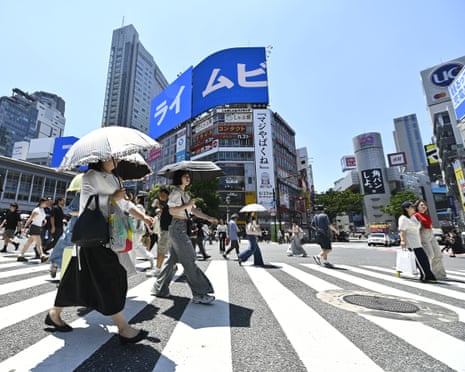
The dress code reform represents a practical solution to a multifaceted problem that many Japanese organizations grapple with annually. Beyond merely saving electricity, the initiative aims to improve employee comfort and potentially boost productivity during challenging summer months when indoor temperatures can be difficult to manage. Public servants who have long endured restrictive formal business wear may find this policy change refreshing and more conducive to maintaining focus during long working hours.
Japan's commitment to workplace energy efficiency extends beyond this single initiative, reflecting a national dedication to sustainable practices and resource management. The country has invested significantly in developing and promoting energy-saving technologies and behavioral changes that encourage citizens and businesses to consume less electricity. By normalizing casual summer attire in government offices, Tokyo is working to establish new cultural norms that prioritize environmental responsibility alongside professional standards.
The Cool Biz movement, which inspired this current campaign, emerged from previous initiatives aimed at helping Japan reduce energy consumption during peak demand periods. This program gained substantial traction across private corporations and government agencies, demonstrating that modest changes in workplace culture could yield measurable results in terms of electricity savings. The success of earlier campaigns has emboldened officials to expand these concepts and introduce more innovative approaches to energy conservation.
Implementation of the shorts-friendly policy requires careful consideration of workplace norms and employee preferences. While the initiative is framed as encouragement rather than mandate, Tokyo officials have emphasized the voluntary nature of participation to ensure acceptance among the bureaucracy. This approach acknowledges generational differences in attitudes toward workplace dress codes, with younger employees potentially more receptive to casual attire than their senior counterparts who have spent decades adhering to stricter professional standards.
The broader context of this energy-saving initiative includes global energy market dynamics and supply chain pressures that have elevated utility costs across Japan and other industrialized nations. Governments worldwide are implementing similar conservation measures to manage budgets and meet environmental targets. Tokyo's decision to address these challenges through workplace policy adjustments demonstrates how behavioral modifications can contribute meaningfully to larger sustainability objectives.
Public health considerations also factor into this initiative, as excessive air conditioning can pose health risks to workers, including air-conditioning sickness. By reducing artificial cooling and allowing workers to dress appropriately for natural summer conditions, the policy potentially addresses occupational health concerns while simultaneously achieving energy savings. This multidimensional benefit makes the initiative particularly attractive to government administrators seeking solutions that improve multiple aspects of operations simultaneously.
The Tokyo metropolitan government's decision to implement this casual dress code policy signals evolving attitudes toward workplace culture and sustainable business practices in Japan. As other local governments and private organizations observe the outcomes of this initiative, similar programs may be adopted more widely across the nation. The initiative demonstrates that addressing critical challenges like energy consumption doesn't necessarily require expensive infrastructure investments; sometimes cultural and behavioral adaptations can prove equally effective.
Looking forward, officials plan to monitor the impact of this policy on electricity consumption patterns and employee satisfaction levels. Data collected during the summer months will help determine whether the initiative achieves its intended energy reduction goals and whether it warrants continuation in future years. This evidence-based approach ensures that policy decisions remain grounded in measurable outcomes rather than assumptions about workplace efficiency.
The success of Tokyo's casual summer dress initiative could influence corporate culture throughout Japan and potentially inspire similar programs in other countries facing comparable energy challenges. By normalizing less formal attire during warm weather months, the metropolitan government sends a powerful message about environmental responsibility and practical problem-solving. The initiative represents an example of how thoughtful policy adjustments can address complex challenges while simultaneously improving workplace conditions for employees.
As Japan continues to balance economic development with environmental sustainability, initiatives like the Tokyo shorts policy contribute to a broader cultural transformation toward more conscious resource management. The program underscores how public sector leadership can shape societal expectations and demonstrate viable alternatives to energy-intensive conventional practices. Through this relatively simple yet symbolically significant policy change, Tokyo officials are working to build a more sustainable future while managing immediate budget pressures.
Source: The Guardian


