
Toto Tackles NAND Memory Crisis with Ceramic Investment

Toilet manufacturer Toto pledges major investment in ceramics division to help address global NAND memory shortage affecting RAM production.
In a surprising pivot that bridges the worlds of bathroom fixtures and semiconductor manufacturing, Toto, the renowned Japanese toilet maker, has announced a significant commitment to expand its ceramics division. The company is positioning itself as an unexpected player in resolving one of the technology industry's most pressing challenges: the ongoing NAND memory shortage that continues to constrain global RAM production and drive up hardware costs.
The ceramics produced by Toto's specialized division play a crucial role in the semiconductor manufacturing process, particularly in the creation of NAND flash memory chips. These ceramic components are essential materials used in high-temperature industrial applications within chip fabrication facilities, where they serve as critical structural and functional elements. By increasing investment in this sector, Toto is recognizing the strategic importance of its materials business beyond the consumer bathroom products for which the company is internationally recognized.
The global memory chip shortage has created significant bottlenecks across multiple industries, from personal computing to data centers and consumer electronics. Manufacturers of RAM and other memory components have struggled to keep pace with surging demand, leading to extended lead times, price inflation, and supply chain disruptions. Companies producing the raw materials and components needed for memory chip fabrication have found themselves in high demand, with suppliers facing pressure to scale operations rapidly.
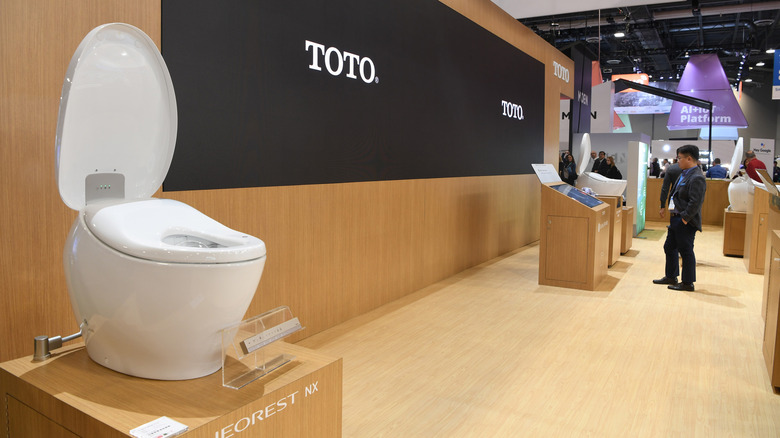
Toto's decision to expand its ceramics operations demonstrates how the semiconductor crisis has created unexpected opportunities across the supply chain. The company recognizes that ceramic materials for memory production represent a growing market segment with strong long-term growth potential. By committing additional capital and resources to this division, Toto is positioning itself to capture increased market share and support the global effort to alleviate memory chip constraints.
The investment announcement comes at a critical time when chip manufacturers have been aggressively seeking ways to boost production capacity and secure reliable supplies of essential materials. Memory chip prices have remained elevated due to constrained supply, and any expansion of component sourcing can have downstream benefits for manufacturers and ultimately consumers. Toto's increased focus on ceramics production could help contribute to easing some of the pressure on NAND flash memory availability that has persisted throughout the semiconductor market.
Beyond the immediate supply chain implications, Toto's expansion into higher-value materials manufacturing reflects broader trends in how traditional industrial companies are adapting to technological disruption. The bathroom fixtures industry faces its own challenges from market saturation and shifting consumer preferences, making diversification into specialized industrial materials a strategic necessity. This move allows Toto to leverage its existing expertise in ceramic production while tapping into the lucrative semiconductor supply ecosystem.
The ceramics utilized in semiconductor memory production require exceptional purity, precision, and consistency to meet the exacting standards of chip manufacturers. Toto's reputation for quality and attention to detail in its core business suggests the company possesses the technical capabilities and manufacturing discipline necessary to excel in this specialized market. The company's existing facilities and workforce can be leveraged to support capacity expansion, potentially allowing for relatively efficient scaling of production.
Industry analysts view Toto's commitment as a positive development for the semiconductor ecosystem, particularly for companies dependent on stable supplies of critical materials. As demand for data storage, artificial intelligence applications, and cloud computing continues to accelerate, the need for advanced memory chips will only intensify. Suppliers who can reliably provide the materials and components necessary for chip fabrication will play an increasingly vital role in enabling technological innovation.
The investment also underscores how interconnected modern supply chains have become, with companies from seemingly unrelated industries playing essential roles in each other's success. A toilet manufacturer becoming a key contributor to solving the memory chip crisis exemplifies the surprising dependencies that characterize contemporary industrial production. This highlights the importance of building resilient, diverse supply chains that don't concentrate critical material sourcing in a handful of suppliers.
Looking ahead, Toto's expanded ceramics division could serve as a model for other industrial companies considering how to diversify and add value in their operations. As the technology industry continues to grow and evolve, demand for specialized materials will remain robust. Companies with the manufacturing expertise and quality systems to supply these materials stand to benefit significantly from long-term partnerships with chip makers and memory manufacturers.
The broader implications of Toto's investment extend beyond immediate supply chain relief, potentially contributing to the long-term stability and competitiveness of global semiconductor manufacturing. By reducing dependency on a limited number of suppliers for critical materials, the industry can build greater resilience against future disruptions. Toto's commitment represents a constructive step toward a more distributed and robust semiconductor supply chain that can better withstand market volatility and unexpected challenges.
Source: Engadget


