
Traffic Lights Approved for Scotland's Iconic Bridge Over Atlantic

Controversy erupts as traffic lights set to be installed on historic Clachan Bridge, Scotland's famous 233-year-old landmark. Critics warn of safety risks and heritage damage.
A major controversy has erupted in Scotland following the approval of plans to install traffic lights on Clachan Bridge, one of the nation's most beloved and historically significant landmarks. The decision to add modern traffic control systems to the scenic bridge has sparked widespread concern among heritage advocates, tourism professionals, and local residents who fear the installation will fundamentally alter the character of this cherished destination.
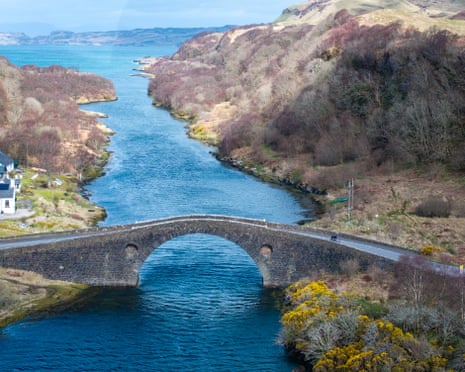
The Clachan Bridge, affectionately known as the "Bridge over the Atlantic" since the early 19th century, stands as a testament to Scotland's engineering heritage and natural beauty. This 233-year-old crossing connects the Scottish mainland to the picturesque Isle of Seil, serving as a vital transportation link while simultaneously functioning as one of the region's primary tourist attractions. Visitors from around the world flock to the bridge specifically to experience what locals and tour guides have long promoted as a genuine trans-oceanic crossing, complete with opportunities for memorable photographs against the dramatic backdrop of the Argyll coast.
Critics of the traffic light installation have raised serious concerns about the project's implications for both safety and preservation. They argue that adding modern traffic control infrastructure represents nothing less than a "desecration" of a nationally-significant heritage site that deserves protection rather than modification. The fundamental worry centers on how the addition will compromise the bridge's historical integrity and diminish its appeal to the thousands of tourists who visit annually.
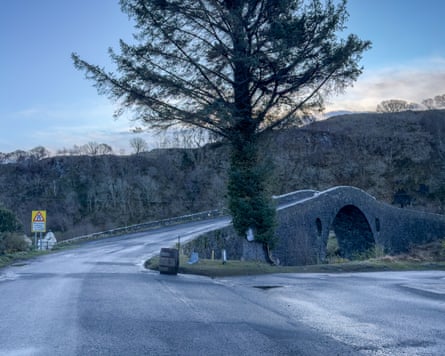
Beyond aesthetic concerns, there are mounting worries about pedestrian safety on what is already a challenging crossing. The bridge's narrow design and heavy vehicle traffic have long made it a somewhat precarious passage for those on foot. Adding traffic lights, critics contend, may create a false sense of security for pedestrians while simultaneously encouraging motorists to proceed more aggressively through the controlled intersection. This dynamic could paradoxically increase the risk of accidents rather than preventing them, particularly during peak tourist season when foot traffic reaches its highest levels.
The concerns raised by opponents of the scheme extend to the broader implications for Scotland's approach to heritage preservation and tourist destination management. The Argyll coast, already famous for its dramatic landscapes and historical significance, risks losing some of its authenticity and charm if iconic landmarks begin to accumulate modern infrastructure. Many worry that this decision sets a troubling precedent for other historic sites across Scotland that may now face similar pressure to modernize despite the cultural costs.
Local tourism operators have expressed particular alarm about the potential impact on their livelihoods. The bridge's unique identity as the "Bridge over the Atlantic" has become a significant draw for visitors seeking distinctive Scottish experiences. The addition of standard traffic lights threatens to transform the landmark from a heritage attraction into just another controlled intersection, potentially reducing its appeal and the associated economic benefits that tourism brings to the region.
Environmental and heritage organizations have joined in the chorus of opposition, highlighting how the project conflicts with broader principles of sustainable tourism and cultural conservation. These groups argue that Scotland has an opportunity and responsibility to protect its historical assets in ways that enhance rather than diminish their character. They point to numerous examples from other countries where heritage sites have been successfully integrated with necessary infrastructure while maintaining their historical significance and visual integrity.
The decision to approve the traffic light installation reflects a tension between practical transportation needs and cultural preservation. Transport officials have presumably determined that traffic management improvements are necessary to address safety concerns or traffic flow issues in the area. However, the implementation of such improvements at a location with the historical and cultural significance of Clachan Bridge demands greater sensitivity and creative problem-solving than simply adding standard traffic control equipment.
Supporters of the project within local government and transportation departments likely argue that modern traffic management is essential for public safety and efficient vehicle movement. They may contend that heritage preservation cannot always take absolute precedence over practical safety requirements and transportation infrastructure needs. This perspective highlights the genuine complexity of balancing competing priorities in heritage site management.
The controversy surrounding the Clachan Bridge traffic lights raises important questions about how Scotland manages its historical assets in an increasingly modernized world. As transportation demands grow and safety standards evolve, heritage sites must adapt, but the manner and extent of adaptation matters significantly. The challenge lies in finding solutions that address legitimate operational and safety concerns without erasing the historical character that makes these sites valuable in the first place.
Local communities and heritage advocates are reportedly exploring potential alternatives that might address traffic management concerns while minimizing visual and cultural impact. These conversations may ultimately lead to more nuanced solutions that respect both the bridge's heritage status and modern transportation realities. The outcome of this debate could influence how Scotland approaches similar challenges at other significant historical sites throughout the country.
The installation of traffic lights at Clachan Bridge represents more than a simple infrastructure project—it symbolizes broader tensions in contemporary Scotland between modernization and preservation. As one of the nation's most photographed and visited heritage sites, the bridge's transformation will be watched closely by tourism boards, heritage organizations, and communities with similar concerns about protecting Scotland's cultural legacy for future generations while meeting present-day practical requirements.
Moving forward, stakeholders on all sides of this dispute will need to engage in constructive dialogue to find solutions that honor both the bridge's historical significance and legitimate safety and operational needs. The eventual resolution may serve as a model for how Scotland addresses comparable challenges at other heritage sites, making it a decision with implications that extend far beyond Argyll's scenic coast.
Source: The Guardian


