
Train Collision Near Copenhagen Injures 17

Two local trains collide head-on north of Copenhagen, Denmark, leaving 17 people injured with 4 in critical condition. Emergency services respond.
A serious train collision has occurred in Denmark, resulting in multiple injuries and prompting an extensive emergency response. The incident took place north of Copenhagen, Denmark's capital, involving two local trains that collided head-on in a wooded area. According to reports from emergency services, at least 17 people were injured in the crash, with four individuals suffering critical injuries requiring immediate medical attention.
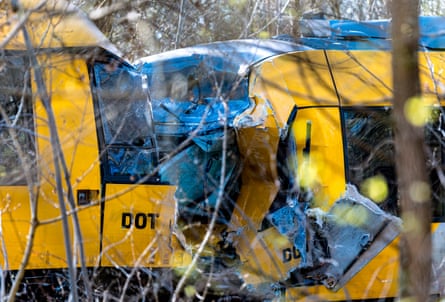
The collision involved two yellow and grey regional trains, both sustaining significant damage to their front sections. Images released by Danish public broadcaster DR revealed the extent of the damage, showing both trains facing each other amid dense woodland. The head-on collision appeared to be a serious incident, with emergency responders quickly mobilizing to the scene to provide medical assistance and coordinate rescue operations.
Emergency services descended upon the collision site with ambulances, rescue vehicles, and specialized personnel to assess injuries and provide immediate care to the affected passengers. The wooded location presented additional challenges for rescue operations, requiring careful coordination and planning to ensure all injured individuals received timely medical attention. Initial reports from the scene indicated that the emergency response was swift and well-organized, with medical teams prioritizing patients based on injury severity.

The train accident raised immediate questions about how such a serious incident could occur on what appears to be a local rail service. Investigators from Danish railway authorities began examining the circumstances surrounding the collision, focusing on potential causes including signal failures, dispatcher errors, or mechanical issues. The railway safety investigation would be crucial in determining what led to the two trains being on a collision course.
Passengers on both trains experienced the traumatic impact of the collision, with many sustaining injuries ranging from minor cuts and bruising to severe trauma. Witness accounts from survivors described the shock and confusion that followed the impact, as passengers and crew members worked to understand what had happened. The psychological impact on passengers and emergency responders alike would likely be substantial, given the severity of the incident.
Medical facilities across the Copenhagen region mobilized resources to accommodate the injured passengers. Hospitals in the area prepared for multiple admissions, with emergency departments staffing up to handle the surge of patients requiring treatment. The four individuals in critical condition received priority access to intensive care facilities where specialized medical teams could monitor and treat their conditions.
The incident raised significant concerns about rail safety in Denmark and prompted discussions about the protocols governing train operations on local services. Railway authorities would need to provide explanations regarding the circumstances of the collision and any safety measures that may have failed. The Denmark railway system has generally maintained good safety records, making this incident particularly noteworthy and concerning to transportation officials.
Local authorities established a command center to coordinate the ongoing rescue and investigation efforts. Communications between emergency services, hospital staff, and railway authorities became essential to managing the crisis effectively. Updates were provided periodically to the public and media regarding the condition of the injured and the progress of the investigation.
The collision site remained cordoned off as investigators conducted their preliminary examination of the wreckage and the surrounding area. Forensic teams would document evidence related to the collision, including track conditions, signaling systems, and train positioning at the moment of impact. This information would prove vital in reconstructing the sequence of events leading to the accident.

Family members and friends of passengers on the affected trains rushed to hospitals and the incident scene seeking information about their loved ones. Support services were made available to those affected by the trauma, recognizing the emotional toll of such a serious transportation accident. Counseling resources and victim assistance programs were activated to help survivors and their families cope with the aftermath.
The train collision Denmark incident would likely result in comprehensive safety reviews of the local rail network's operations and protocols. Regulatory bodies would examine signaling systems, train scheduling, staff training, and emergency procedures to identify any gaps or areas requiring improvement. These reviews could lead to substantial changes in how local trains operate in the region.
International railway safety experts began analyzing the incident to understand what had occurred and whether similar risks existed in other rail systems. The incident underscored the critical importance of maintaining rigorous safety standards in public transportation. Preventive measures and continuous monitoring systems would be essential components of efforts to prevent future collisions and protect passenger safety.
The response from Danish emergency services demonstrated the importance of coordinated planning and training for major transportation incidents. Multiple agencies working together seamlessly ensured that injured passengers received rapid care and that investigation procedures began promptly. The incident would likely serve as a case study for emergency management professionals and transportation safety advocates worldwide.
Source: The Guardian


