
Trainee Driver Crashes Bus Into River Seine

A trainee bus driver collided with a parked vehicle before veering off the road into the River Seine south of Paris. Full details of the incident.
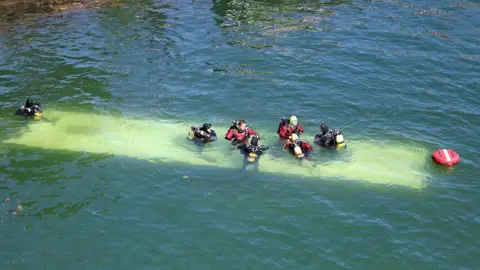
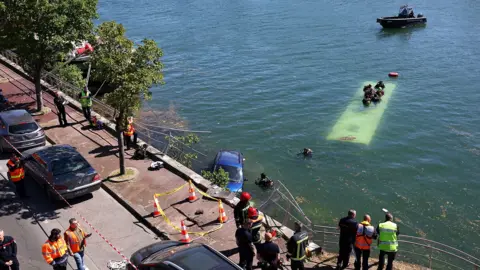
A trainee bus driver was involved in a serious traffic incident early Thursday morning when the vehicle he was operating struck a parked car and subsequently veered off the roadway into the River Seine. The dramatic accident occurred approximately 12 miles south of Paris, prompting an immediate emergency response from local authorities. The incident has raised questions about driver training protocols and safety measures for public transportation vehicles in the region.
The collision took place during the early morning hours, a time when traffic on suburban roads near Paris is typically lighter but visibility can be compromised. According to initial reports, the trainee driver lost control of the bus after the initial impact with the stationary vehicle. The sequence of events that followed resulted in the bus leaving the roadway and entering the waterway below, creating a potentially dangerous situation for anyone on board the vehicle at the time of the accident.
Emergency responders were quickly mobilized following reports of the incident. Emergency services teams, including firefighters and rescue personnel, descended upon the scene to assess the situation and provide assistance. The proximity of the River Seine and the unpredictable nature of water-based emergencies presented additional challenges for first responders attempting to manage the crisis effectively. Their rapid response was critical in determining the outcome of the incident and ensuring the safety of those involved.
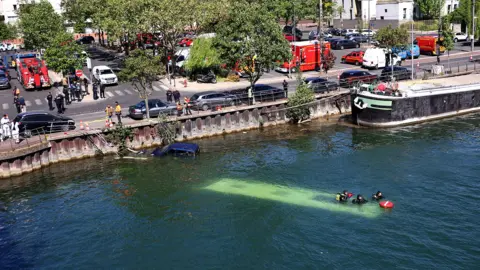
The River Seine, which winds through and around the Paris metropolitan area, is a significant geographic feature that has been the site of various traffic accidents over the years. The proximity of roadways to the waterway in certain areas creates inherent risks for vehicle operators, particularly those who may be inexperienced or facing challenging driving conditions. The depth and current of the river at the location of the accident were factors that influenced the severity of the situation and the difficulty of the rescue operation.
As a trainee driver, the individual operating the bus was still in the early stages of their professional driving career. Bus drivers require extensive training and certification to operate large passenger vehicles safely, and the transition from training to independent operation is a critical phase. This incident raises important questions about the adequacy of driver training programs and whether sufficient emphasis is placed on emergency response procedures and hazard recognition, particularly in areas with environmental challenges such as proximity to water bodies.
The circumstances surrounding the initial collision with the parked car suggest that the trainee may have encountered unexpected obstacles or driving conditions that compromised vehicle control. Understanding the exact cause of the initial impact is essential for determining whether it was due to driver error, mechanical failure, or other environmental factors. Investigators examining the incident would typically review factors such as road conditions, weather, vehicle maintenance records, and the driver's experience level.
The geographic location of the accident, approximately 12 miles south of Paris, places it in a suburban area with mixed traffic patterns and diverse road infrastructure. Roads in this region serve both local and through traffic, and the presence of parked vehicles along roadways is common in suburban communities. The combination of these factors may have contributed to the severity of the incident and the difficulty in containing and managing the emergency response.
Public transportation safety is a paramount concern for transit authorities throughout France and across Europe. Incidents involving buses and other large vehicles operating in close proximity to sensitive geographic features such as waterways underscore the importance of comprehensive safety protocols and ongoing training. Transit operators must balance operational efficiency with passenger safety, and decisions about route planning, vehicle maintenance, and driver training all play crucial roles in achieving this balance.
The investigation into the incident would likely involve multiple agencies and stakeholders, including local police, transportation authorities, and safety inspectors. These investigations typically examine not only the immediate causes of the accident but also systemic factors that may have contributed to the incident. Recommendations emerging from such investigations often influence policy decisions and operational procedures throughout the transportation industry, potentially benefiting public safety across multiple jurisdictions.
Insurance companies and transport operators would become involved in assessing liability and determining responsibility for damages resulting from the accident. The involvement of a trainee driver adds complexity to these determinations, as questions arise regarding supervision, training adequacy, and whether proper protocols were followed during the training process. Documentation of the trainee's qualification level, hours of supervised driving, and specific training modules completed would all be relevant to these assessments.
The incident serves as a reminder of the inherent risks associated with operating large vehicles in complex urban and suburban environments. Despite stringent regulations and safety standards, accidents continue to occur, highlighting the importance of ongoing investment in driver training, vehicle maintenance, and infrastructure improvements. The specific circumstances of this accident near the River Seine provide valuable lessons for transportation professionals and safety advocates working to prevent similar incidents in the future.
The recovery of the bus from the River Seine would have presented significant logistical challenges, requiring specialized salvage equipment and expertise in water-based vehicle recovery. The removal operation would need to be carefully planned to minimize environmental impact and ensure the safety of personnel involved in the recovery effort. Such operations often take considerable time to execute properly, particularly when dealing with large vehicles in water environments where currents and weather conditions can affect operations.
Following this incident, stakeholders in public transportation would likely review and potentially revise training programs, safety protocols, and route management strategies. Trainee driver programs would come under scrutiny, with particular attention paid to the level of supervision provided and the types of scenarios covered during training. Enhanced emphasis on hazard recognition, emergency procedures, and decision-making in challenging situations could emerge as recommended improvements to existing programs across the industry.
The involvement of emergency services in this incident demonstrated the importance of well-coordinated response protocols and the critical role that multiple agencies play in managing transportation emergencies. The coordination between rescue personnel, police, transportation authorities, and other relevant agencies can significantly impact the outcome of such incidents. Reviewing the effectiveness of these coordinated responses provides valuable insights that can inform improvements to emergency management systems and procedures throughout the region.
Source: BBC News


