
Trapped in War: Ukrainian City Faces Humanitarian Crisis

Residents of Oleshky endure months without food and medicine supplies as Russia's invasion creates a dire humanitarian emergency in frontline Ukraine.
The Ukrainian city of Oleshky has become a symbol of the devastating human cost of Russia's ongoing invasion, with residents describing conditions of extreme hardship and isolation. Trapped behind frontline fighting, civilians report being cut off from vital supplies including fresh food and essential medicines for an extended period. The situation has forced many inhabitants to make an agonizing choice: remain in their homes under constant threat, or attempt a perilous journey through dangerous territory to reach safer areas.
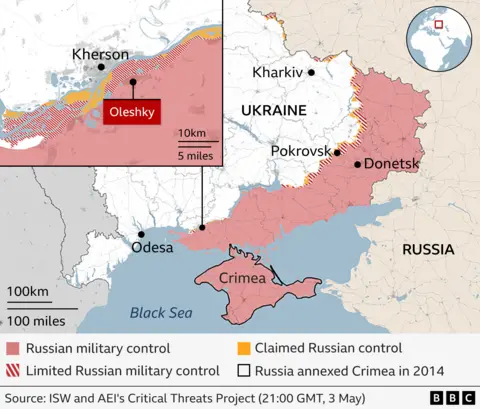
Located in the Kherson region, Oleshky sits in a precarious position near active combat zones where Ukrainian and Russian forces continue their fierce struggle for control. The city's population has dwindled significantly as families flee the violence, yet thousands remain, either unable to leave due to age, illness, or lack of resources, or unwilling to abandon their homes and livelihoods. Those who stay face an increasingly desperate situation as supply shortages intensify and living conditions deteriorate with each passing week.
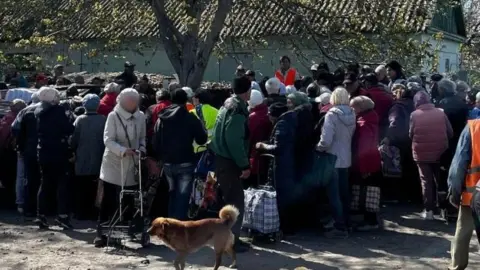
Residents interviewed by various media outlets describe a humanitarian catastrophe unfolding in real-time. Many speak of rationing whatever food they can find, with grocery stores either destroyed by shelling or completely depleted of inventory. The lack of medical supplies has proven particularly alarming, as those suffering from chronic illnesses struggle to obtain necessary medications, and injuries from the conflict go untreated due to the absence of functioning healthcare facilities.
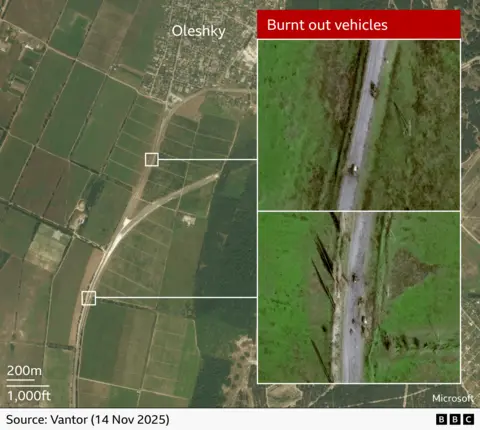
The road connecting Oleshky to other population centers has become increasingly dangerous, earning it the grim nickname "Road of Death" among local residents and humanitarian workers. Military vehicles, artillery fire, and unexploded ordnance make any journey through this corridor extraordinarily hazardous. Civilians attempting to escape must weigh the certainty of ongoing deprivation against the very real possibility of death or serious injury during their escape attempt, leaving many in a state of paralyzing uncertainty about their future.
International humanitarian organizations have attempted to deliver aid to the besieged city, but their efforts face severe obstacles. Humanitarian corridors are unreliable and frequently closed due to military activity, and when convoys do manage to reach the city, the volume of supplies falls far short of actual needs. Negotiations between Ukrainian and Russian forces for safe passage have yielded limited results, leaving aid organizations frustrated in their attempts to alleviate human suffering.
The psychological toll on residents cannot be overstated. Families spend nights in basements and shelters listening to explosions, uncertain whether they will see the next morning. Children have become traumatized by the constant violence, and the mental health crisis among survivors grows more severe as weeks turn into months. Many residents display symptoms of severe stress and anxiety, compounded by the knowledge that their situation may worsen before it improves.
Those with access to private vehicles have attempted to flee, but the journey remains fraught with danger. Checkpoints staffed by both Ukrainian and Russian forces create additional uncertainty, as travelers cannot predict whether they will be allowed passage. Many stories circulate of people turned back at checkpoints or subjected to lengthy delays that leave them exposed to shelling. The social fabric of the community continues to unravel as fear and desperation override neighborly solidarity.
Women and elderly residents appear to make up a disproportionate share of those remaining in Oleshky. Many have lived their entire lives in the city and cannot fathom leaving despite the danger. Others remain because they are caring for invalid family members or lack the physical ability to undertake a difficult journey. These vulnerable populations face particular hardship, as the scarcity of food and medicine impacts them most severely.
Local authorities have attempted to maintain some semblance of civic order, but their resources are severely limited. The city administration continues to function in a fragmented manner, with officials working from secure locations when possible. They have issued guidance to residents about safety measures and attempted to coordinate with relief organizations, but the fundamental problem remains: there is insufficient food, medicine, and fuel entering the city to sustain the population adequately.
The water situation in Oleshky has also become critical, with many residents unable to access clean drinking water for extended periods. Damaged infrastructure and the inability to repair utilities due to ongoing conflict means that sanitation and hygiene have become pressing concerns. The risk of disease outbreak looms as residents struggle to maintain basic cleanliness without adequate water supplies. This potential health emergency adds another layer of crisis to an already catastrophic situation.
Some residents have attempted to document their experiences through social media and communications with journalists, ensuring that their plight reaches international attention. These accounts paint a vivid picture of civilian suffering amid war, with descriptions of empty shelves, makeshift meals, and the constant sound of artillery fire becoming the new normal. Their voices serve as a stark reminder of the human dimension of military conflict.
The international community has expressed concern about the humanitarian emergency in Oleshky and other Ukrainian cities, with various governments and United Nations agencies calling for greater access for relief supplies. However, translating these concerns into concrete action has proven difficult given the military realities on the ground. The fundamental challenge remains that as long as fighting continues in and around the city, civilian safety cannot be guaranteed.

Looking forward, the situation in Oleshky remains precarious and unpredictable. Military analysts suggest that the city may see renewed fighting in coming months as both sides seek strategic advantage in the region. For the civilians who remain, this means that their ordeal is unlikely to end soon, and conditions may deteriorate further. The choice between staying in Oleshky or risking the dangerous escape routes remains an impossible one for thousands of trapped residents who face an uncertain and frightening future.
Source: BBC News


