
Travelers from 5 African World Cup Nations Face $15K US Entry Bond

New Trump administration policy requires $5K-$15K bond for B-1/B-2 visa holders from Algeria, Côte d'Ivoire, Senegal, Tunisia, and Cape Verde to enter the US for 2026 World Cup.
The Trump administration has recently expanded a controversial policy that could require travelers from five African World Cup-qualified countries to front a sizable bond of up to $15,000 in order to enter the United States for the 2026 tournament.
The visa bond program operates like a security deposit, with the one-time payment meant to be refunded after the traveler exits the US under the terms of their B-1 or B-2 visa, the type required for business travelers or tourists. Bond amounts generally range from $5,000 to $15,000 for passport holders from certain countries.
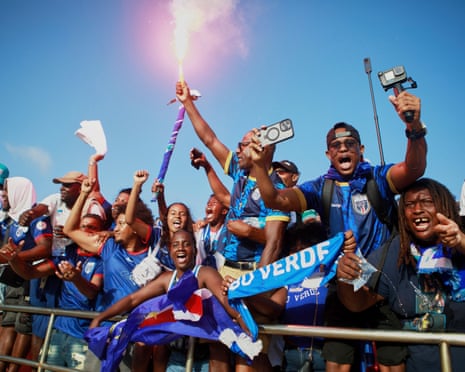
The countries affected by this new policy expansion are Algeria, Côte d'Ivoire, Senegal, Tunisia, and Cape Verde - all of which have qualified for the 2026 World Cup. There appears to be no exceptions for athletes, officials, or fans traveling to the event from these nations.
This move by the Trump administration is seen by many as a continuation of its hardline immigration stance, potentially pricing out fans and players from poorer African nations from attending the world's biggest sporting event. Critics argue that the bond requirement unfairly targets certain nationalities and could violate principles of equal access.
In response, the State Department has stated that the expanded program, set to take effect on April 2, is meant to ensure visa holders from these countries return home as required. However, many have questioned the rationale and fairness of singling out World Cup attendees in this manner.
As the 2026 World Cup approaches, this new visa bond policy is sure to be a point of contention, with concerns raised over its potential to price out fans, limit participation, and cast a shadow over the global event. The impact on players, staff, and supporters from the affected African nations remains to be seen.
Source: The Guardian


